A recent announcement has sparked conversations in households across the country about a potential windfall. The concept of a ‘tariff dividend’ promises to deliver a direct cash payment to many Americans. For anyone budgeting or planning their financial future, this sounds like a welcome surprise. The core idea is to return a portion of the government’s tariff revenue back to the people, though the exact path from government coffers to your bank account remains somewhat unclear.
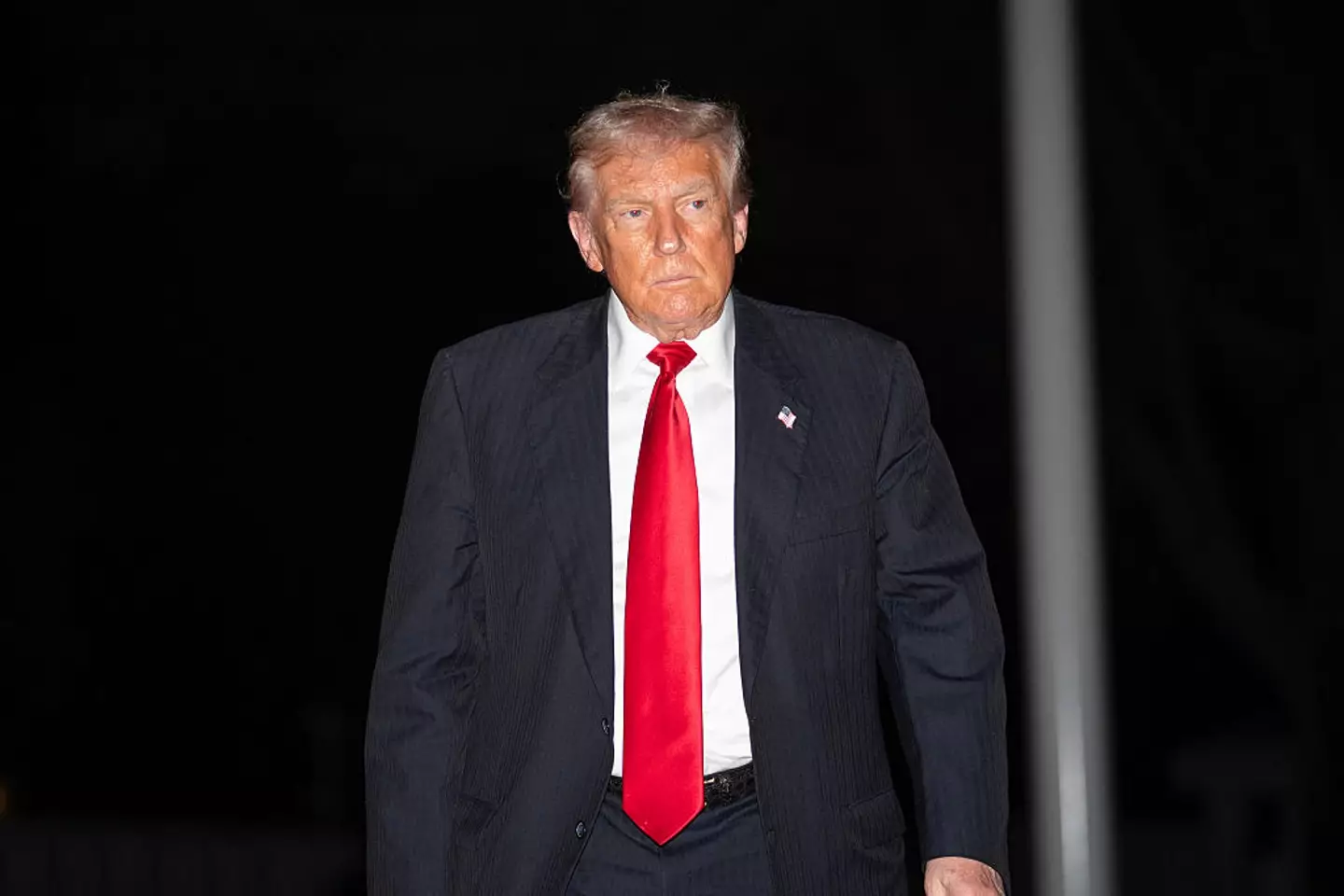
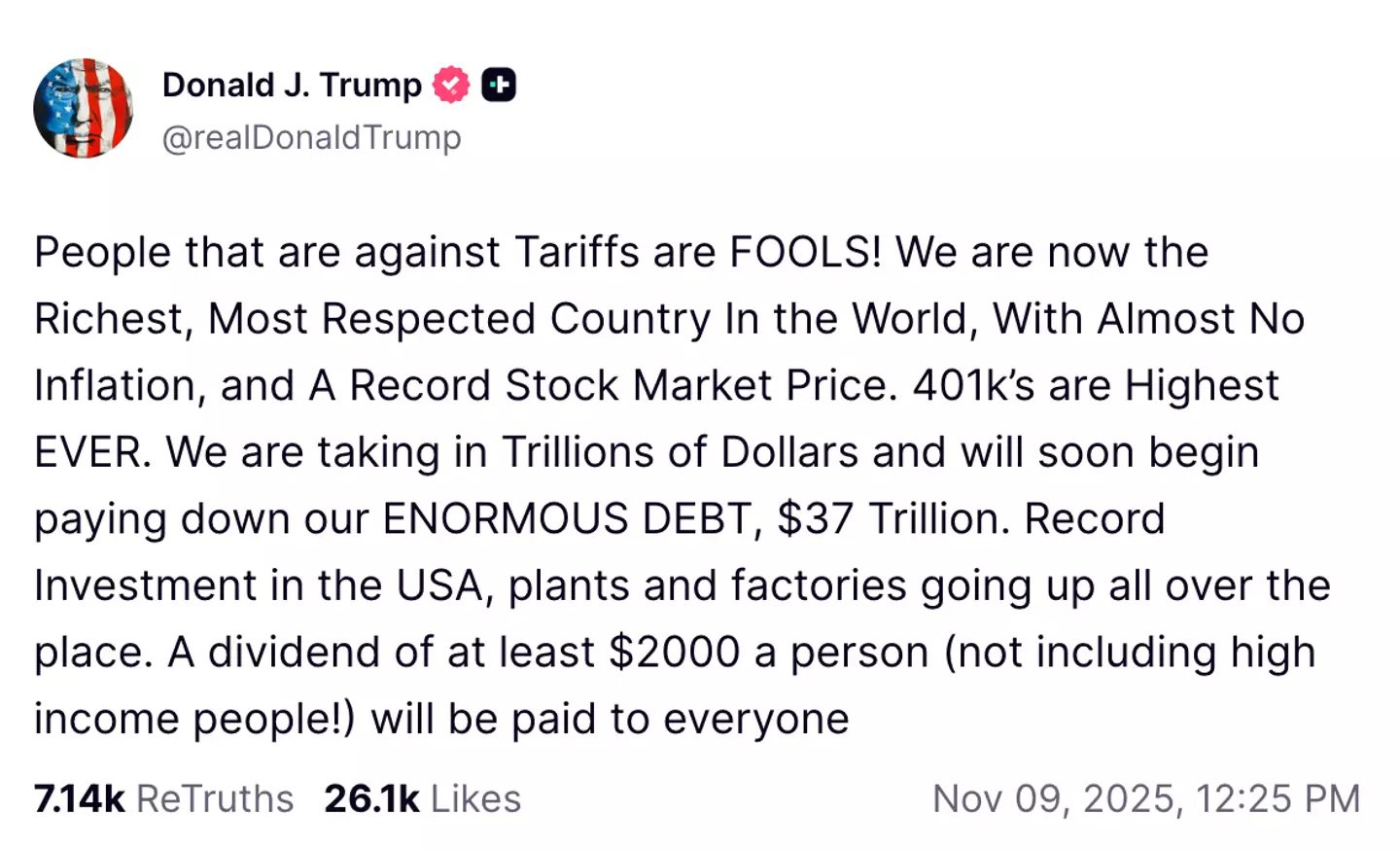
President Donald Trump made the announcement, setting the potential payment at a minimum of $2,000 per eligible person. He was specific about one group that would not qualify: high-income earners. This detail suggests the program is intended to provide relief to low and middle-class families. For those feeling the pinch of everyday expenses, an extra $2,000 could make a real difference, whether it’s used for bills, savings, or paying down personal debt.
The big question on everyone’s mind is where this money is coming from. The president linked the dividend to the billions of dollars the U.S. collects in tariffs. In the first three quarters of this year, that amount was reported to be $195 billion. While this seems like a staggering sum, spreading it out across the millions of federal taxpayers would reduce the per-person amount significantly, making the promised $2,000 a ambitious target that would require careful financial planning.
Interestingly, the administration has hinted that the $2,000 might not arrive as a single, straightforward check. When questioned, the Treasury Secretary proposed that the benefit could be realized through a series of tax cuts. This could include eliminating taxes on tips, overtime income, and Social Security payments, or making auto loan interest deductible. For the average person, this would mean more money in their paycheck each month rather than a one-time deposit.
For now, this proposal is a promise without a concrete timeline or a finalized method of distribution. The White House has not yet provided official clarification, leaving financial planners and citizens alike in a waiting game. It’s a developing story that highlights the direct connection between government policy and personal finance, and it’s one that anyone managing a household budget will want to keep a close eye on in the coming months.