For millions of people, a daily meal can be a delicate balance between nourishment and danger. Certain common foods contain natural toxins that can cause serious illness or even death. Yet, for a variety of reasons, these foods continue to be eaten across the globe, representing a fascinating intersection of survival, culture, and calculated risk.
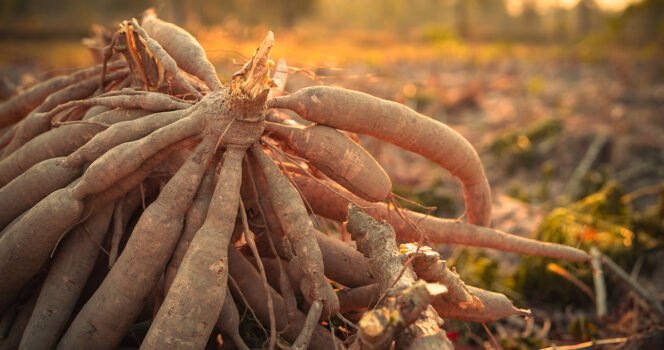
One of the most surprising dangerous foods is a humble root vegetable called cassava. It is a vital source of carbohydrates for over 800 million people, but its raw roots and leaves contain compounds that turn into cyanide inside the human body. If not prepared correctly by soaking, fermenting, or thorough cooking, it can lead to paralysis or death. This is why it has been called the world’s deadliest food, claiming hundreds of lives each year. For many communities, however, its ability to grow in tough conditions makes this risk a necessary part of survival.
In other cases, the danger is part of the appeal. In Japan, the pufferfish, or fugu, is a famous and expensive delicacy. Its organs contain a poison far deadlier than cyanide, one that can cause complete paralysis while the victim remains fully conscious. Specially licensed chefs train for years to learn how to remove these toxic parts safely. Diners pay high prices not just for the taste, but for the thrilling experience, sometimes even seeking a slight tingling sensation from minimal traces of the toxin.
Many common foods in our own kitchens also hide potential risks. The pits of cherries and apples contain a substance that can release cyanide if they are crushed or chewed. Green potatoes that have been exposed to light can produce a toxic compound, and raw kidney beans carry a poison that causes severe stomach illness if they are not boiled for long enough. Even the common spice nutmeg can cause hallucinations and seizures if consumed in large amounts. The key to safety is almost always in the proper preparation and knowing which parts to avoid.
Other dangers are more specific. The sweet, star-shaped starfruit is safe for most people but contains a neurotoxin that can be fatal for individuals with kidney disease. Similarly, the leaves of the rhubarb plant, unlike the edible stalks, are loaded with a toxin that can cause kidney failure. This shows that understanding our food is crucial. While these items can be deadly under the wrong conditions, with the right knowledge and care, they are transformed from a threat into a safe and enjoyable part of meals around the world.