Sometimes, a single moment can speak volumes about character. This week, the internet has been captivated by two separate videos, years apart, showing how different U.S. presidents reacted when someone fainted during their events. The stark contrast between these responses has ignited a conversation that transcends politics, focusing instead on a universal human question: how do we respond when someone needs help right in front of us?
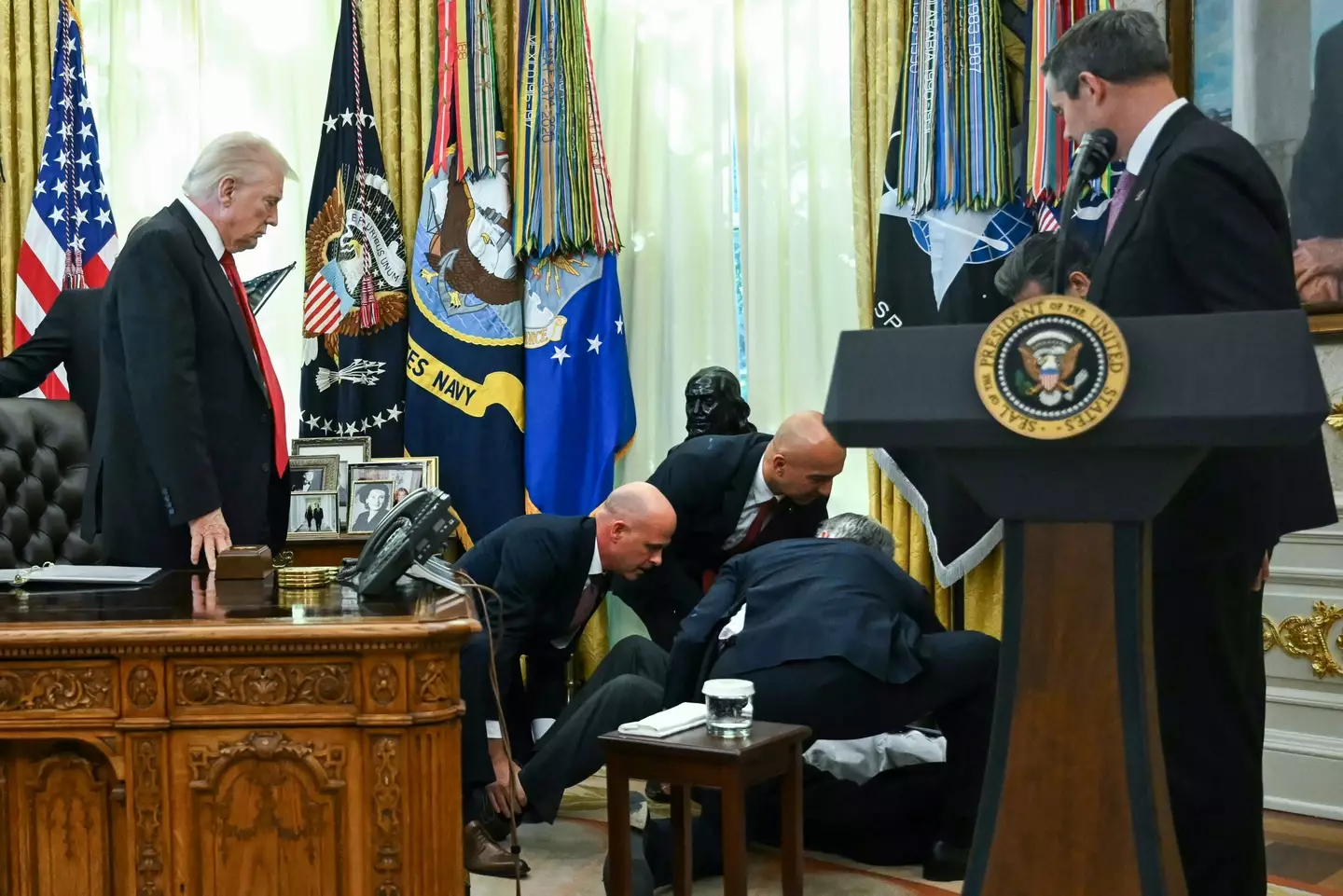
The comparison began with a clip from a recent White House press conference. As a guest fainted, causing a stir among attendees, former President Donald Trump remained standing, pausing his speech but not directly intervening as aides and others rushed to assist. A single photograph from this event, showing him looking out at the crowd while the man received care on the floor, became a powerful symbol for critics who perceived a lack of immediate empathy.
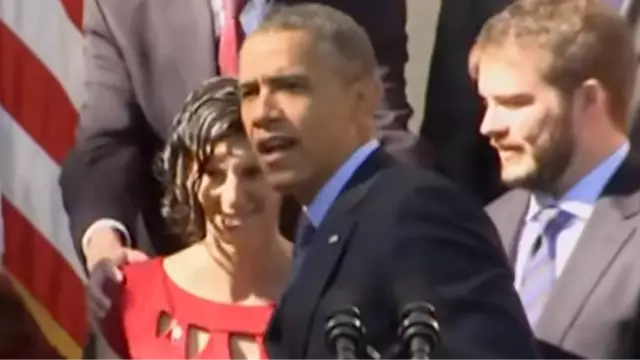
This prompted a flood of shares of a 2013 video featuring former President Barack Obama. In that instance, a guest named Karmel Allison began to swoon directly behind him during a speech. Obama’s reaction was instinctive and personal. He turned, reached out, and physically supported her, preventing her fall. His words were gentle and direct: “You’re ok. I’m right here. I got you.” In the aftermath, he used humor to put everyone at ease, showing a keen awareness of the social discomfort of the situation.
It is important to note that in both cases, the individuals who fainted recovered fully and received proper medical attention. The man at Trump’s event was reported to be “doing great,” and Allison later joked about the incident on social media. The focus of the public discourse, therefore, isn’t on the outcome, but on the nature of the initial human response. The videos have become a Rorschach test for how people perceive empathy in action.
Ultimately, these viral moments resonate because they tap into a fundamental value. Watching a leader—or anyone—offer a steadying hand in a moment of vulnerability is a powerful image. It reminds us that beyond policies and politics, people are deeply affected by simple acts of kindness and presence. The widespread sharing of these clips suggests that, regardless of political affiliation, the public holds a deep-seated appreciation for leaders who project compassion in their most unscripted moments.