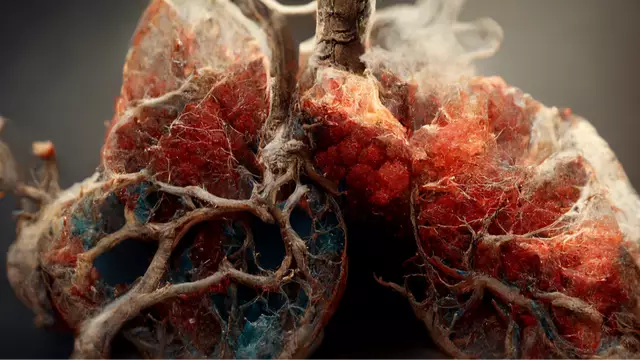
In a critical public health update, medical experts are working to dismantle a long-standing and dangerous myth: that lung cancer only affects smokers. As Lung Cancer Awareness Month shines a spotlight on the disease, doctors are urging the public to recognize that a significant number of lung cancer cases occur in people who have never touched a cigarette. This misconception can lead to delayed diagnosis and treatment, with potentially fatal consequences.
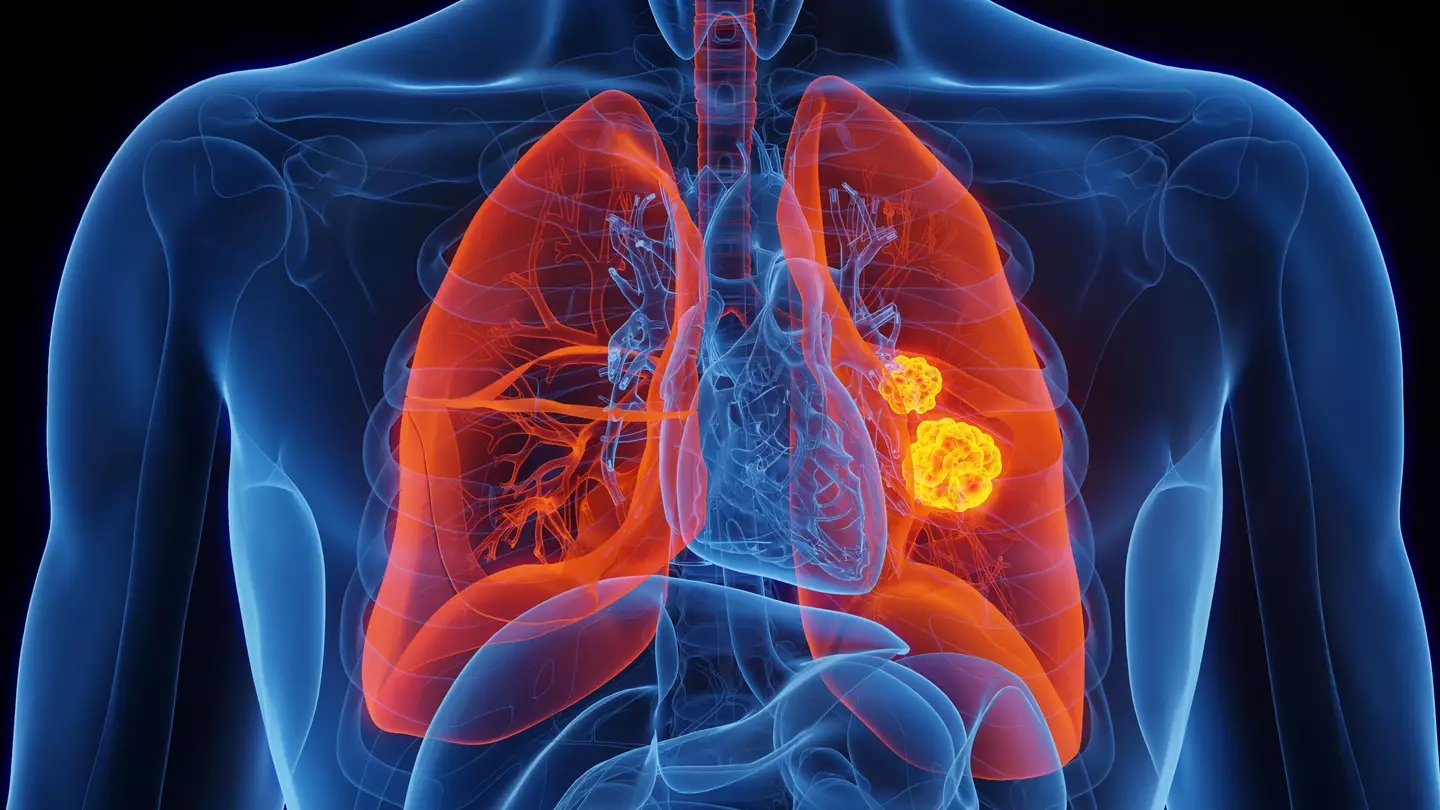
The symptoms doctors say should prompt immediate medical attention are often deceptively common. A cough that lasts for more than three weeks is a primary warning sign. Others include shortness of breath, chest pain, hoarseness, and fatigue. In more advanced stages, symptoms may involve coughing up blood, frequent chest infections, or unexplained weight loss. These signs are especially serious for individuals with high-risk factors, but their appearance in anyone should not be ignored.

The risk profile for lung cancer is broader than many realize. For non-smokers, the culprits can be invisible toxins in the air we breathe. Prolonged exposure to secondhand smoke and outdoor air pollution are significant contributors. Toxic chemicals in these substances can damage lung cell DNA over time, leading to cancer. This makes the disease a potential threat to urban residents and those living with smokers, highlighting it as a wider community health issue.
While the message is that everyone should be vigilant, the call for smokers to quit has never been clearer. Physicians state unequivocally that quitting smoking completely is the most powerful step to prevent lung cancer, emphasizing that “there is no safe limit.” For the general population, recommendations include using air purifiers in homes, wearing protective masks on high-pollution days, and maintaining a healthy lifestyle with a balanced diet and regular exercise to support overall lung function.
This renewed awareness campaign is a call to action. It challenges outdated stigmas and aims to save lives through education. By understanding that lung cancer does not have a single face, the public can become better equipped to identify its early signs. Breaking down this barrier is essential to ensuring that everyone, regardless of their smoking history, seeks timely medical help and benefits from early detection strategies.