A freight-train of solar wind left the Sun earlier this week; when it sideswipes Earth this evening, the planet’s magnetic field will rattle like a bell. The payoff—should clouds cooperate—will be the widest aurora display in years. NOAA has issued a G-3 (strong) geomagnetic watch: green arcs could dip as far south as Nebraska, Illinois, even central Ohio, painting horizons that normally settle for city glow with slow-motion curtains of mint and crimson.
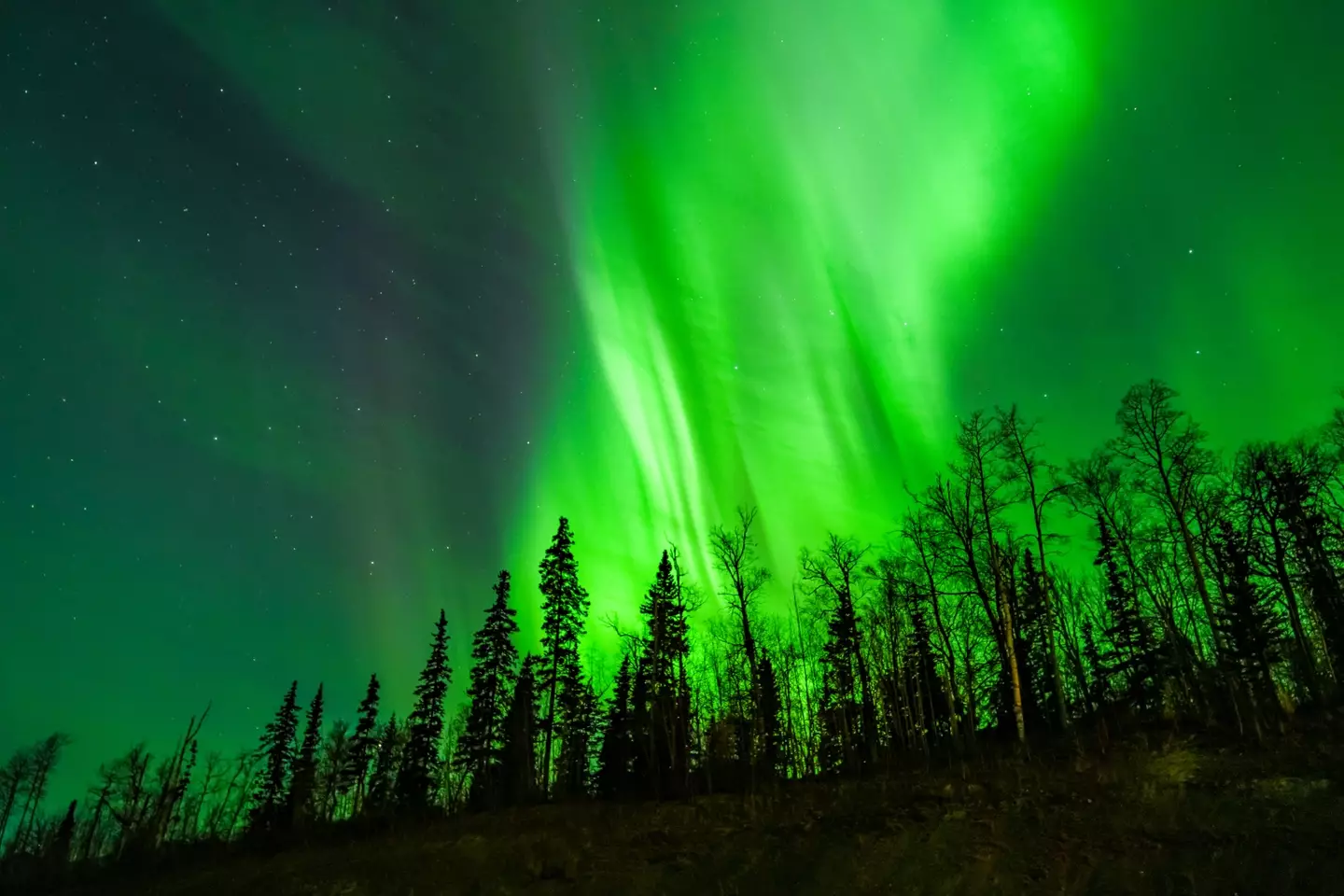
Prime time runs 10 p.m. to 2 a.m. local, peaking near 3 a.m.; the farther north you drive, the higher the curtains climb, but suburban back-yards inside the 22-state band still stand a chance if lights, phones, and the moon are behind you. Face north, give your eyes twenty minutes to dark-adapt, and resist the temptation to check Twitter—aurora can pulse, fade, and reignite in minutes. A cheap tripod and any phone with “night mode” (flash OFF) will capture what your retina misses; lean the camera against a mailbox or car roof if you don’t own a tripod—stability, not gear, is the secret ingredient.
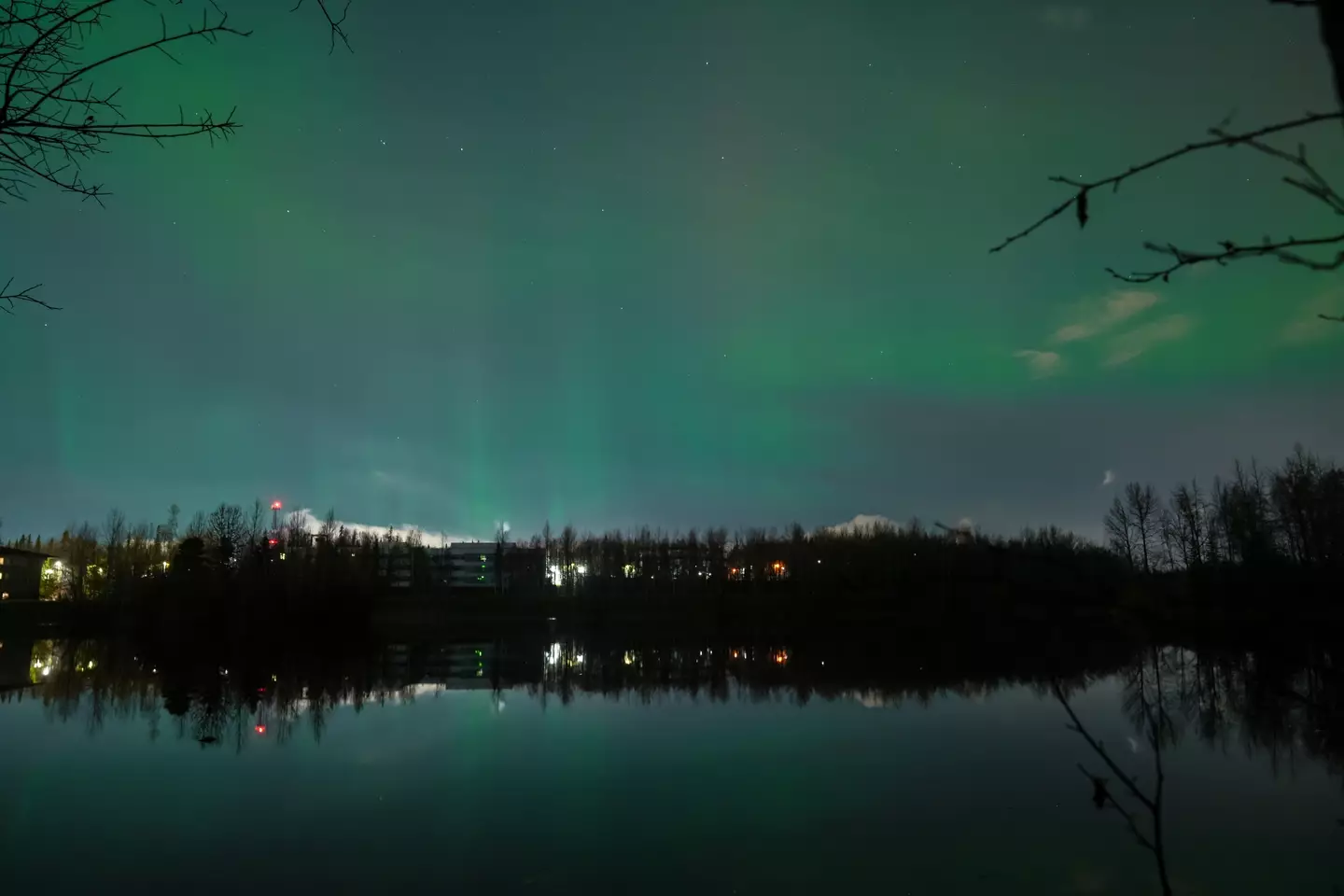
So turn off the porch light, let the dog wander, pack a thermos, and step outside. If the forecast holds, the sky will remind half a continent that beauty still arrives uninvited, riding particles spat out by a star ninety-three million miles away. And if clouds roll in, remember: the same solar train keeps coming—there will be other nights, other chances to look up and catch the universe advertising itself in color.