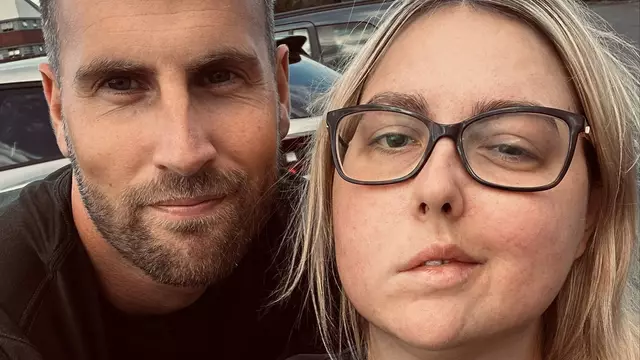
For eight years Tamara Bright’s body sent postcards—blinding headaches, a right eye that blurred like a smudged lens, an ear that rang underwater, feet that couldn’t follow a straight line. Each time she carried the symptoms to her GP she left with the same polite shrug: dehydration, low B-12, maybe the pill. Once she even whispered the family ghost—her mother died of a brain tumor at thirty-nine—only to be laughed off: “You’re over-thinking, dear.” So she swallowed painkillers, hugged walls for balance, and kept teaching herself to walk by staring at floor tiles as if they were tight-rope twine.
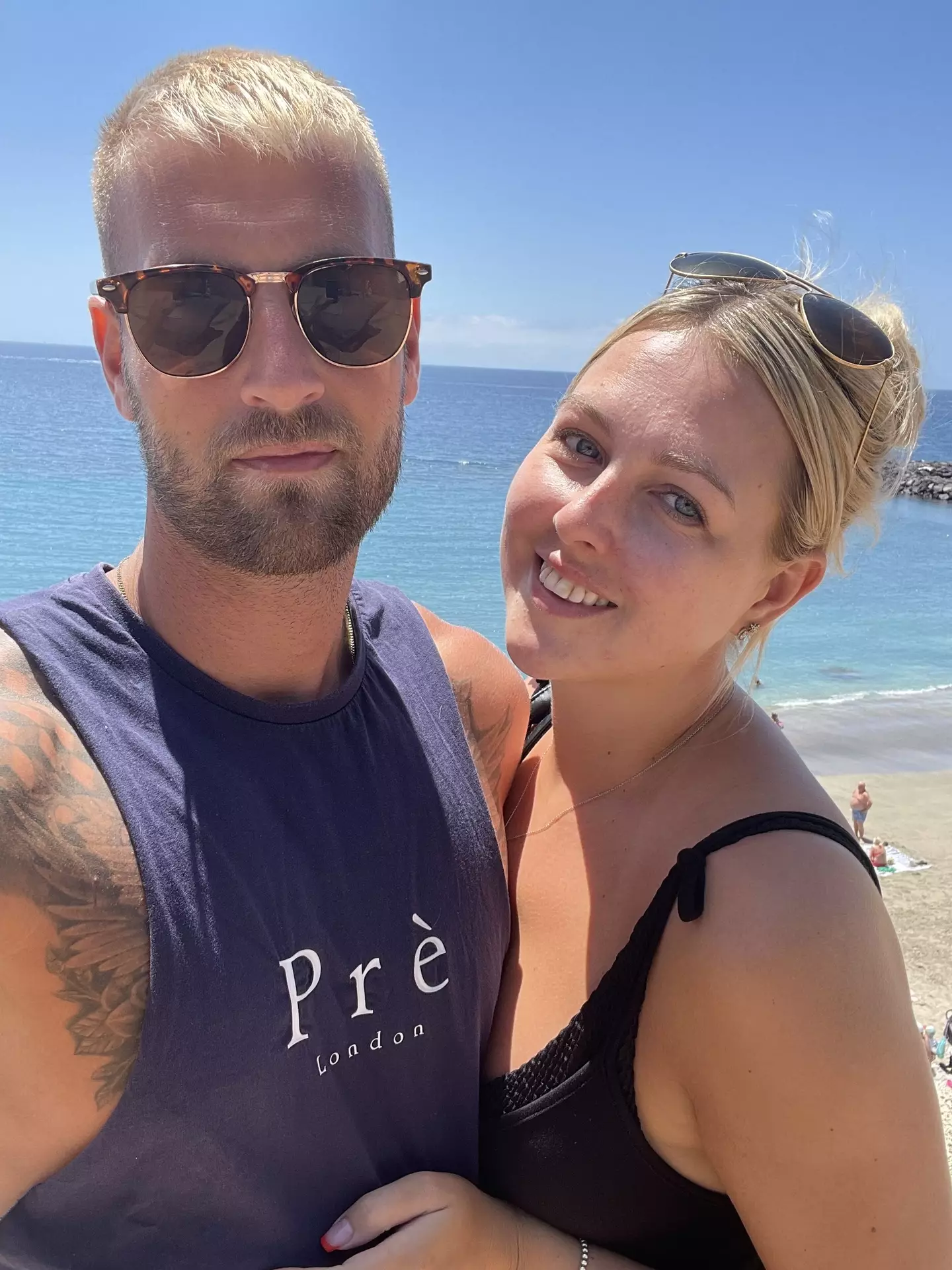
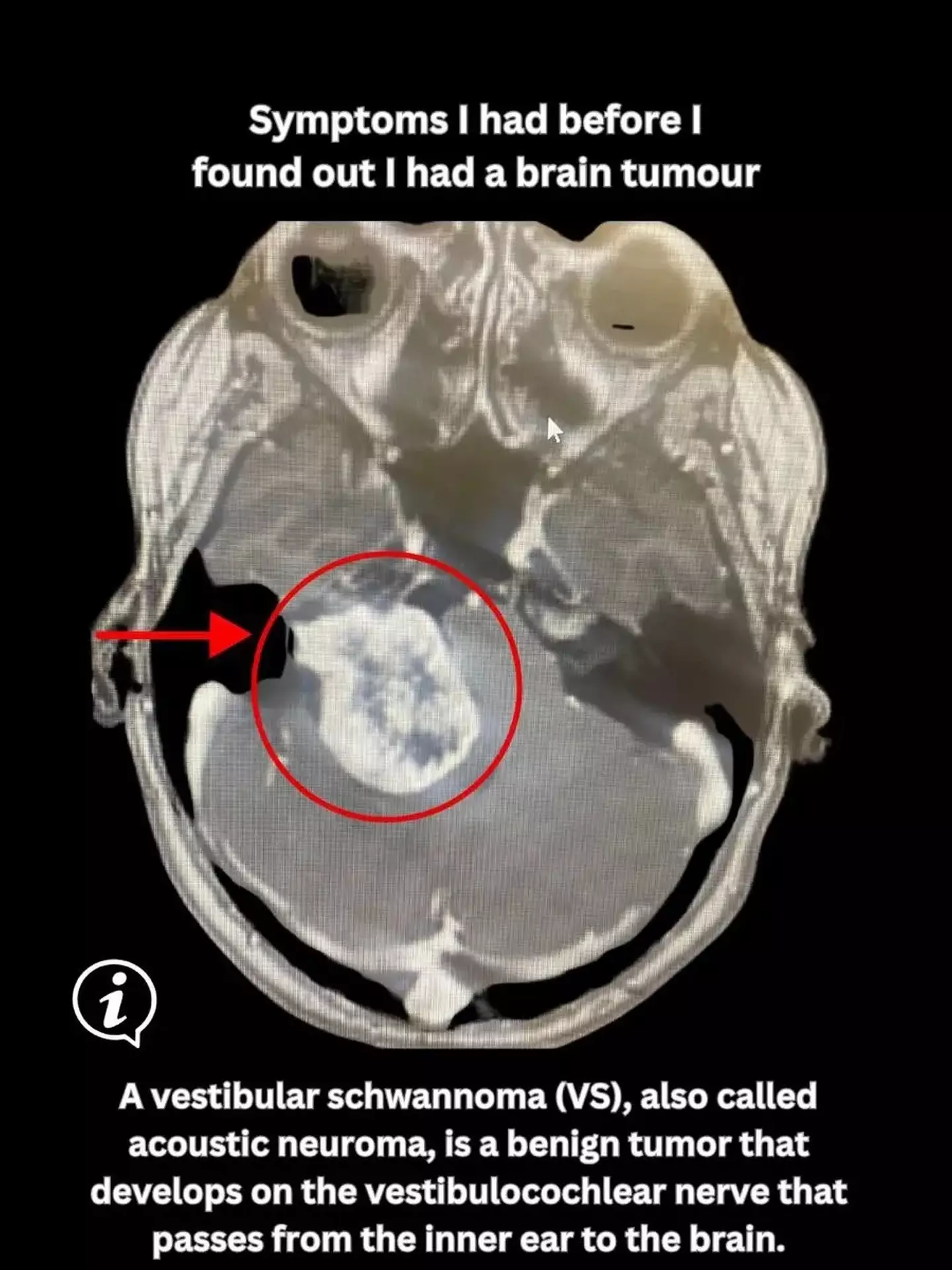
The breaking point arrived disguised as a baby. In early 2023, newly pregnant and unable to shake the feeling that something was drilling through the base of her skull, Tamara bypassed the family doctor and booked straight with an audiologist. Within minutes the hearing test chart lit up red; the specialist ordered an MRI “just to rule things out.” The next afternoon she sat in a hushed consulting room while a scan bloomed on the monitor: a 1.5-inch mass parked behind her ear, pressing her brain-stem flat, strangling the optic and auditory nerves. “You don’t have a huge brain tumour,” the audiologist said softly. “You have a gigantic one. It’s been growing for a decade.”
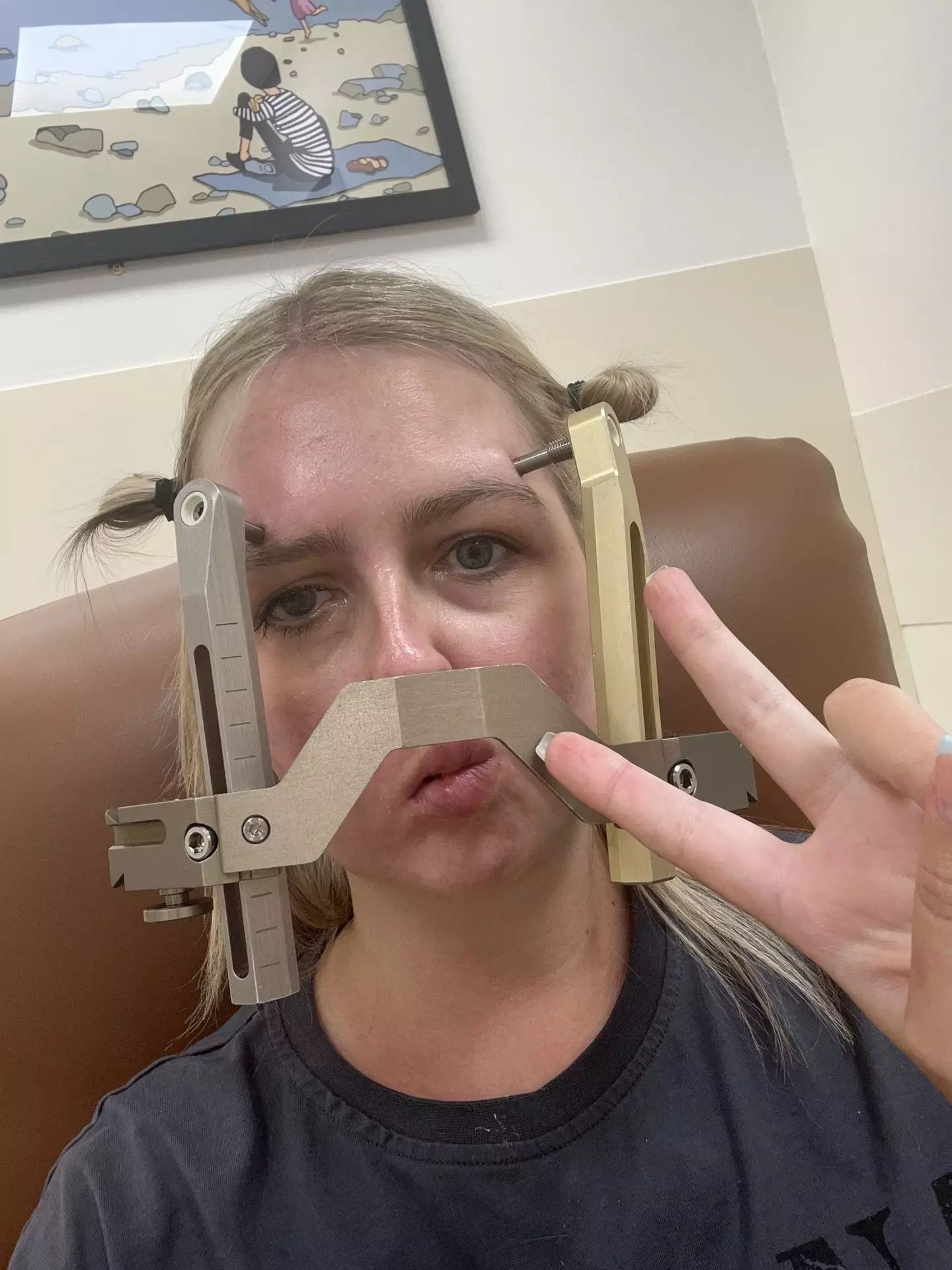
Two operations followed—surgeons tunnelled through her ear canal, chipped away bone and peeled the benign monster out in pieces—then a session of radiosurgery to cauterise any rogue cells. Each procedure carried the unspoken price tag pinned to neurosurgery: facial nerves threaded like silk through the tumour field. When she woke from the second surgery the right side of her face refused to move; Bell’s palsy had frozen her smile mid-gesture. Pregnancy hormones kept steroids and further rehab off the table, so she practised expressions in the mirror, watching one side bloom while the other stayed slack, and told herself the paralysis was rent paid for survival.
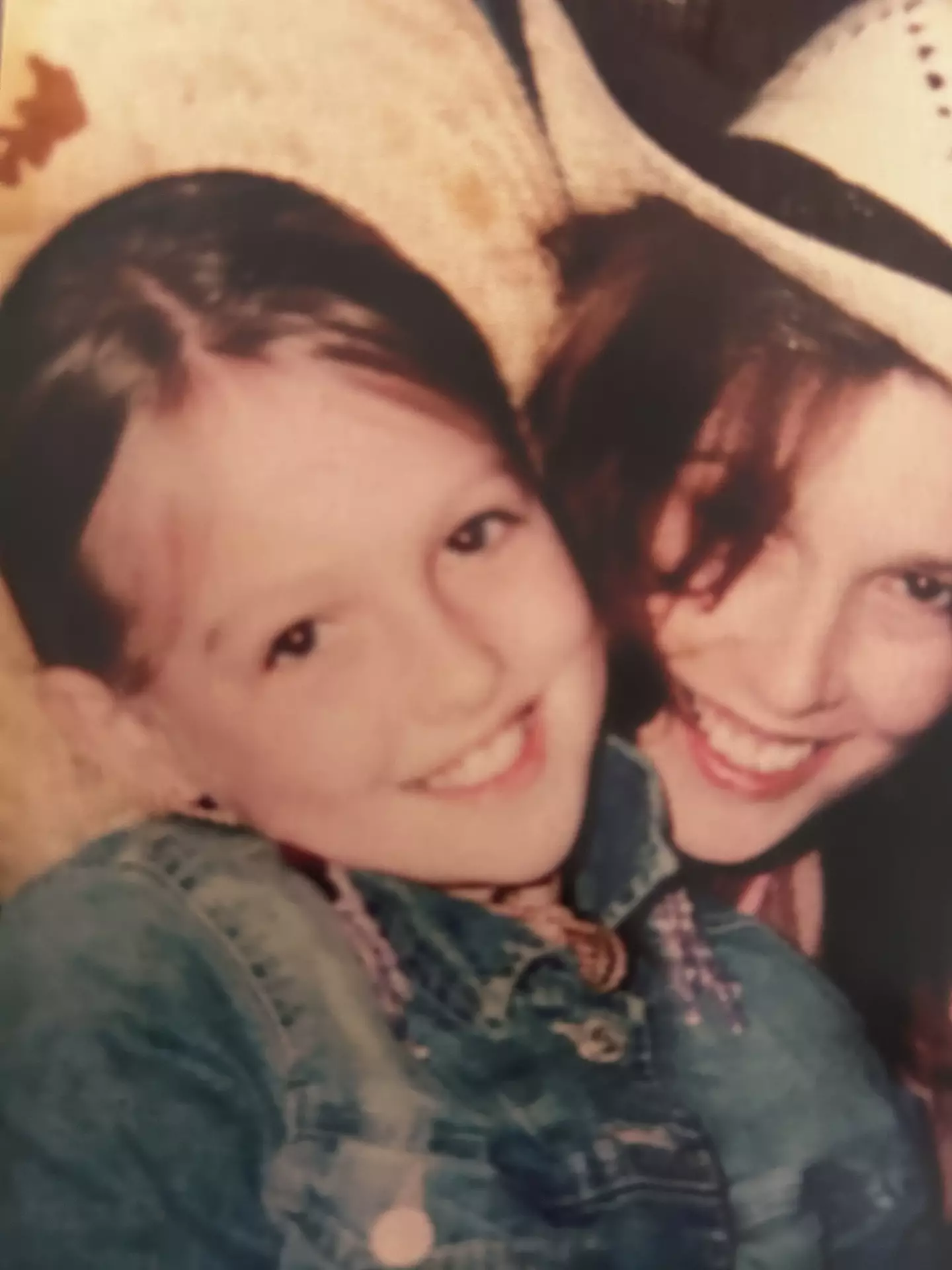
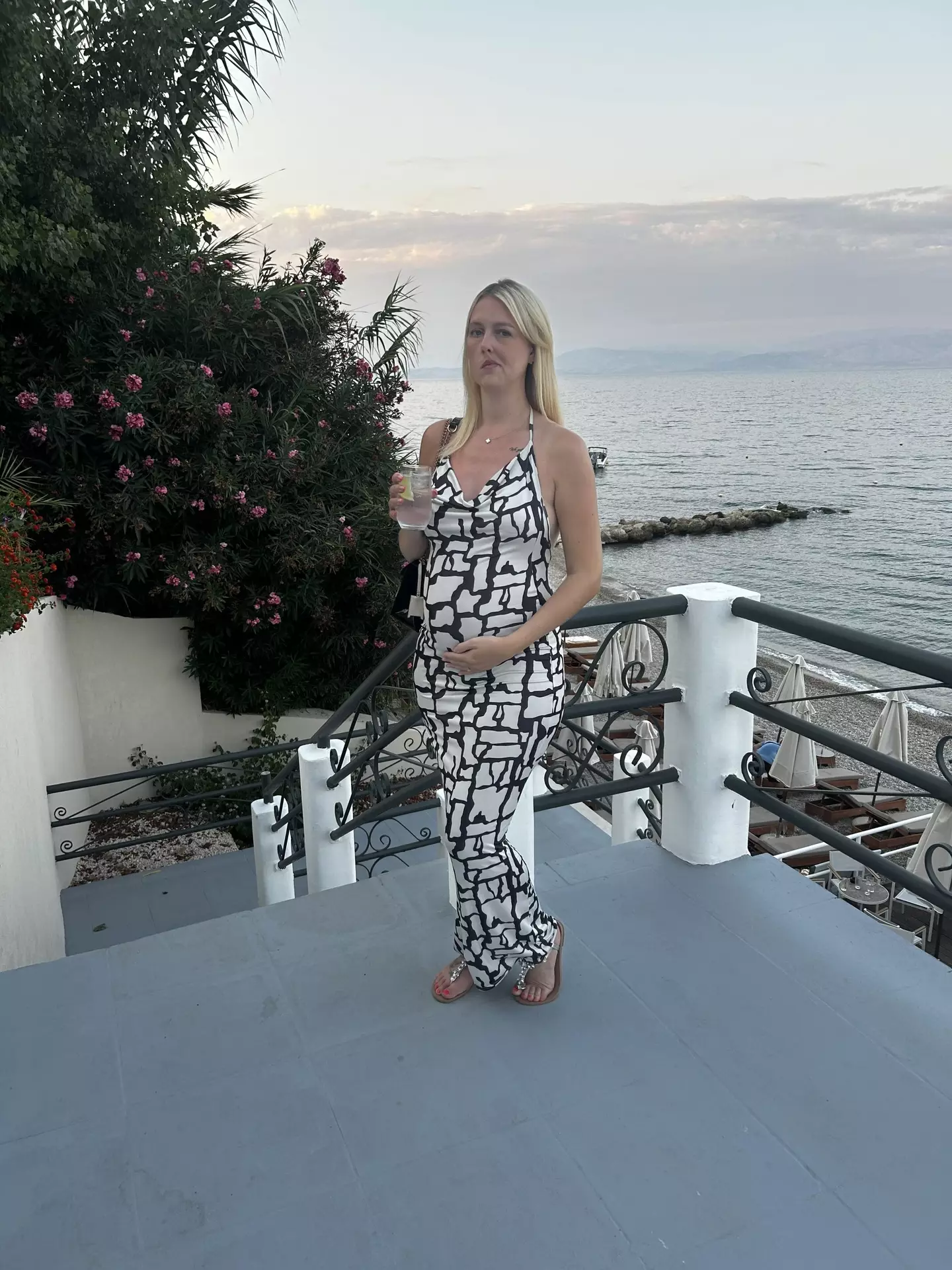
Now thirty-one and weeks away from meeting her baby boy, Tamara speaks with the quiet authority of someone who has already visited the edge. Bell’s palsy will be treated after delivery; for now she concentrates on kicks and hiccups inside her bump, proof that life keeps scheduling futures even when medicine stalls. Her message is simple, repeated like a mantra to every camera and comment thread: trust the signals your body broadcasts, and if one white coat dismisses the static, find another who will tune in. The tumour left her with a half-crooked smile, but it also left her here—alive, impatient, and determined to make noise for anyone still being told to drink more water while a silent mass carves room inside their head.