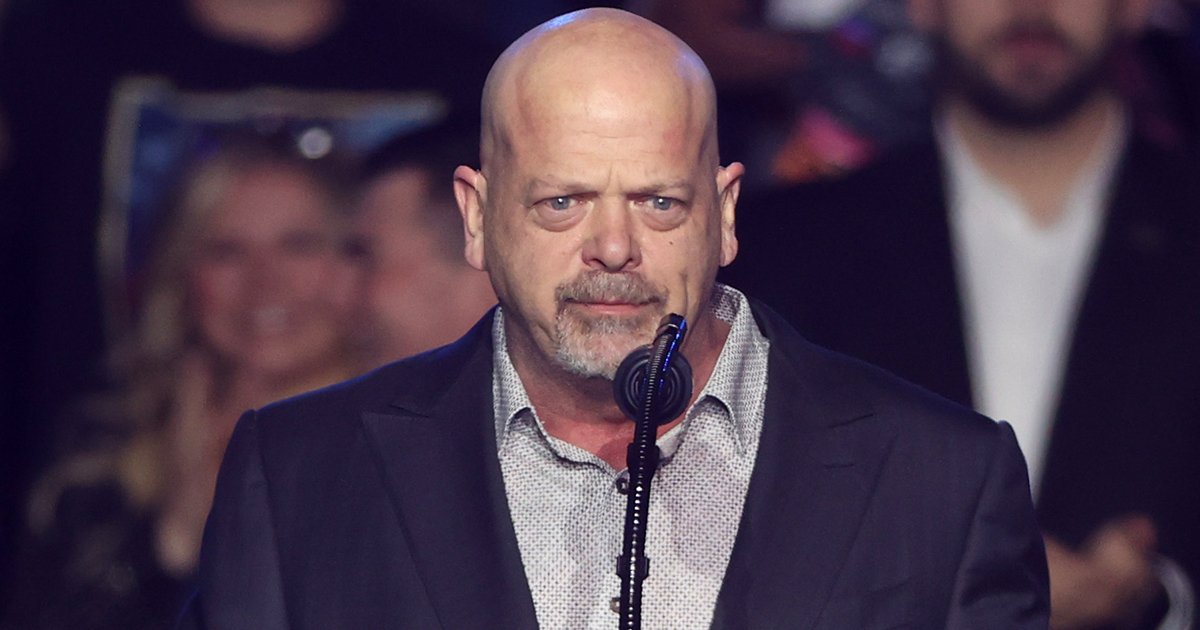
Eighteen months ago Rick Harrison stood in a Las Vegas cemetery, winter wind whipping the flowers laid out for his son Adam—thirty-nine years old, gone from a fentanyl-laced powder he probably thought was heroin. Rick told reporters the country needed to “do better” about the border, about the drug supply, about everything. Then he went quiet, cameras off, the pawn shop’s neon sign still buzzing while he learned how to fold grief into the workday.
This week the same cemetery added another stone: Joanne Harrison, 85, the woman who once packed Rick’s school lunches and later packed sandwiches for the “Pawn Stars” crew on long shoot days. She died in a hospital bed Wednesday morning, curtains drawn, family around her, the same restless city outside that once watched her son haggle over Civil War rifles and Beatles memorabilia. A spokesperson says Rick is “handling things privately,” which is code for no interviews, no History Channel cameras, just the echo of two fresh losses bouncing off the showroom cases.
Fans know the public numbers: 2018, Dad—“The Old Man”—Parkinson’s; January 2024, Adam, accidental overdose; November 2025, Mom, natural causes but still a punch to an already bruised chest. What they don’t see is the back office where Rick keeps three framed photos now: Dad in his rocking chair, Adam holding a fishing rod at seven, Mom in cat-eye glasses behind the pawn counter. He told Graham Bensinger earlier this year he replays every rehab drop-off, every missed call, every “I love you” he thought there’d be time to say. “You second-guess everything,” he admitted. “Not a day I don’t think could I have done something different.”

Social media is full of crying emojis and “Stay strong, Rick” comments, but strength feels abstract when you’re closing the shop an hour early because the silence between customers is too loud. Employees say he’s been sweeping the sidewalk himself, something he hasn’t done since the first season of the show. Maybe pushing a broom feels like control—one small line he can still keep clean.
There’s no moral here, no neat wrap-up. Grief isn’t an item you can appraise, negotiate, or sell. It sits in your display case under unflattering light, reminding you that every object—every gold watch, every childhood photo—has a story, and sometimes the story ends before you’re ready to let go. For now Rick Harrison walks that familiar floor of treasures and trash, carrying a pain no camera can fix, while fans, distant but kind, keep telling him he’s not alone. Maybe that matters. Maybe that’s enough.