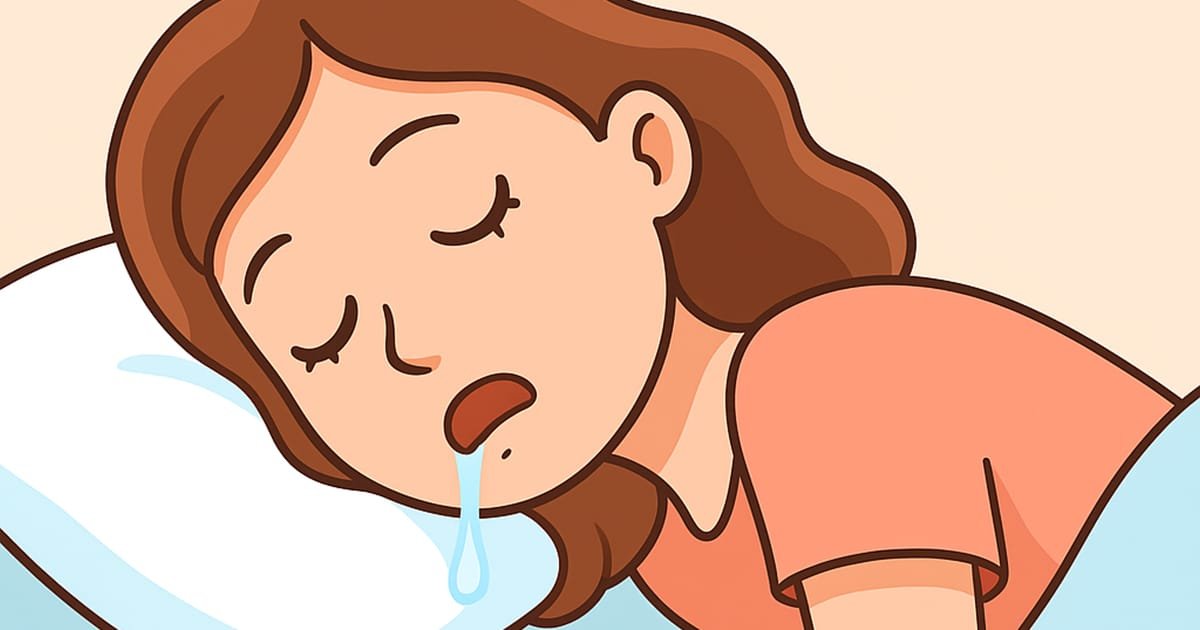
Waking up to a damp spot beside your cheek can feel like a teenage prank your body still plays on you. A quick swipe, a guilty glance at the sleeping partner, and the pillow gets flipped—crisis hidden, embarrassment filed away. But that tiny pool of saliva is usually a quiet thumbs-up from your brain, not a red flag. It signals that you slipped deep enough into REM sleep that your tongue and jaw relaxed completely, your swallowing reflex took a break, and gravity did the rest. In other words, you conked out hard enough to drool, and that can mean you nailed the nightly reset button.
Newborns drip constantly because they haven’t mastered the swallow-timer that keeps mouths dry; adults normally swallow a liter of saliva a day without noticing. If you sleep on your side or stomach, cheeks act like soft dams, and a bit of overflow is almost inevitable. Throw in seasonal allergies, a stuffy nose, or a new medication that increases spit production, and the pillow gets a bonus rinse cycle. Occasional morning drool is so common that dentists expect it and skin doctors sell “drool rash” cream for corner-of-mouth irritation that shows up after especially soggy nights.
The story changes only when the faucet won’t turn off. Soaking through pillowcases nightly, waking with chapped lips or painful cracks at the mouth corners, or noticing saliva pooling while you’re awake can point to blocked sinuses, dental issues, or, more rarely, neurological conditions such as Parkinson’s or stroke after-effects. If the drool arrives with slurred speech, difficulty swallowing food, or facial weakness, skip the internet and call a clinician. Otherwise the fix can be wonderfully low-tech: sleep on your back, prop the head an inch higher, treat nasal congestion, or do a few simple daytime swallow exercises (touch your tongue to the roof of your mouth twenty times—yes, that’s a real prescription).
So flip the pillow with pride. A light spot means your brain paralyzed its motion circuits the way it’s supposed to, keeping you from acting out that chase scene in your dream. Deep REM translates to better mood, sharper memory, and, according to a U.K. study, more daily happiness than a four-times-larger paycheck. Keep tissues handy, maybe swap to a moisture-wicking pillow protector, and remember: the small puddle is just evidence that last night your mind went offline, your body let go, and sleep did exactly what it promised—restore you, drool and all.