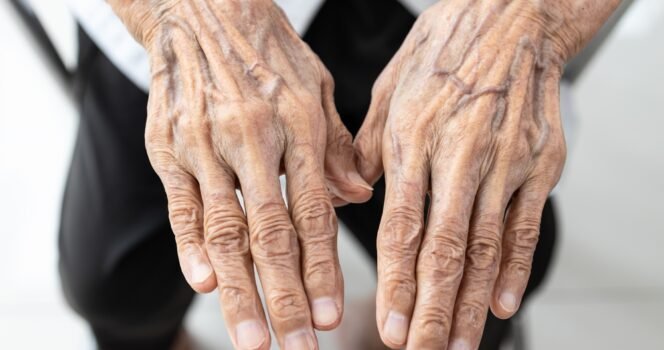
You notice them while you’re washing dishes—ropes of sapphire standing tall on the back of your hands, as if someone sketched your circulatory system with neon ink. They look dramatic, maybe even cool in a weight-lifter, comic-book way. Most of the time they’re simply saying, “We’re close to the surface,” a harmless side effect of pale skin, thin fat layers, or hours spent gripping dumbbells. But occasionally they raise their voice, adding pain, heat, or a zig-zag ridge you can’t flatten with a finger. That’s when you should lean in and listen, because veins don’t shout until something serious is brewing.

What you’re seeing are superficial veins, the low-traffic back roads of your circulation. When muscles swell from exercise or blood volume rises in pregnancy, these roads widen and lift, turning into miniature highways under the skin. Age thins the overlying pavement, making the route more visible. None of that is worrisome. The conversation changes, though, if the vein becomes hard, red, or tender—possible signs of superficial thrombophlebitis, a clot parked in a shallow vein. Add ankle swelling, skin discoloration, or a sudden cord-like bulge and the topic upgrades to varicose veins, a condition that affects about one in three adults and can herald bigger trouble downstream.
The real danger arrives when pain deepens or the area around a vein grows warm and puffy. Deep vein thrombosis (DVT) forms in muscles, not skin, but it sometimes announces itself through surface changes. If a piece of that clot breaks free and rides to the lungs, you’re facing a pulmonary embolism—medical speak for “call 911.” So admire your blue roadmap when it’s quiet, but act if it starts sending urgent messages: throbbing that won’t settle, redness that spreads, or a swelling that makes your shoe tight by evening.

Keeping the conversation friendly is mostly everyday stuff. Move your legs every hour if you sit or stand all day; muscle contractions are the venous heart that pushes blood north. Stay hydrated—thick blood moves like cold syrup—and keep body weight in a range that doesn’t squeeze vessels shut. Skip cigarettes; nicotine is sandpaper to vein walls. Tight jeans and knee-high boots can kink flow, so loosen up when you can. And if veins start to roar, see a doctor sooner rather than later; compression stockings, blood thinners, or minor office procedures can redirect traffic before a clot becomes a crash.
Visible veins are usually just body art drawn by genetics and gravity. Let them remind you that circulation is happening, silent and steady, beneath the skin you moisturize. But the moment they switch from whisper to scream—bulge, heat, pain—treat them like any alarm: investigate, act, and protect the highways that keep you alive.