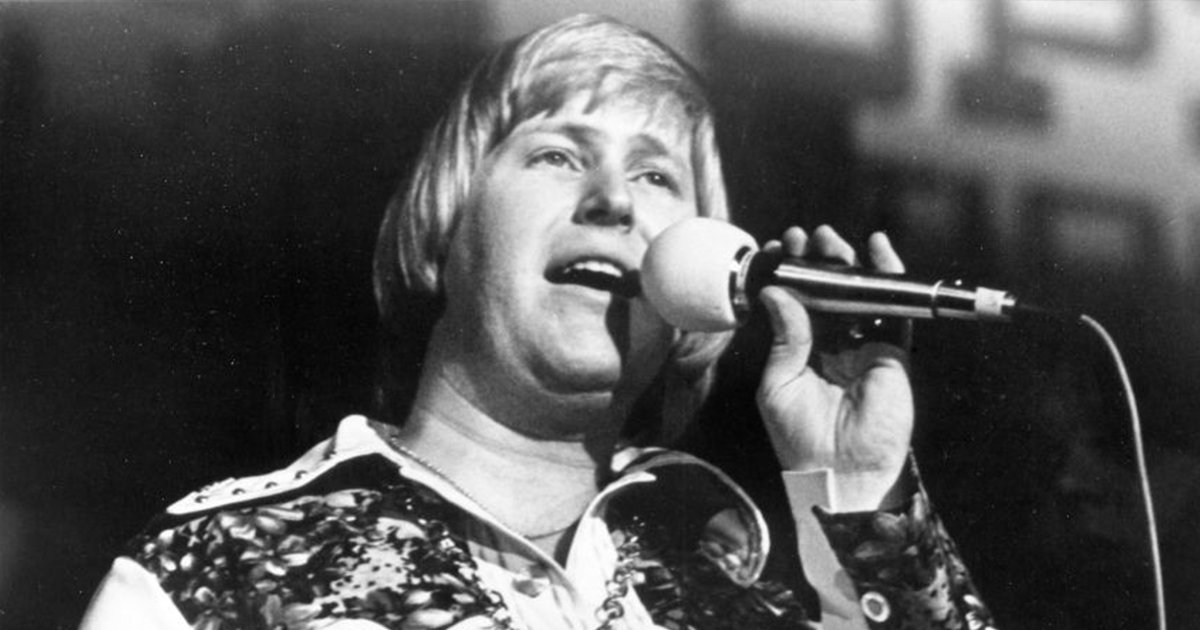
Country music is saying goodbye to a true artist with the passing of John Wesley Ryles, who died at the age of seventy-four. Ryles was a singer’s singer, a man whose voice carried the warmth and truth of his humble beginnings straight into the hearts of his listeners. His career was a multifaceted gem: he was a teenage star, a hit-making recording artist, and, for many years, the nearly invisible but essential harmony voice on countless hit records. His death is a reminder of the deep, often unheralded talent that forms the backbone of the Nashville music scene.

The story of John Wesley Ryles is a classic American narrative, beginning in rural Louisiana where his family didn’t even have electricity. His first stage was the front porch of his home, where the Ryles Family Singers would pass the evenings with gospel songs. This environment taught him that music was not about fame, but about feeling and connection. That lesson became the core of his artistry. Driven by a powerful dream, he left for Nashville as a young man, carrying with him the pure, unvarnished sound that would become his trademark.

His breakthrough was both early and iconic. At seventeen, he recorded “Kay,” a beautifully sad story-song that became an instant country standard. The track was not only a tale of personal heartbreak but also a subtle piece of social commentary, with its mention of soldiers disliking the Vietnam War—a rare stance in country music at the time. Ryles’ tender vocal performance made the song a timeless classic, showcasing a maturity and depth of feeling that seemed well beyond his years and securing his place in the genre’s history books.
After his initial success, Ryles built a steady career, but his most pervasive influence may have been as a background vocalist. He became the secret ingredient in many a country hit, his voice blending so perfectly with lead singers that it created a singular, flawless sound. Artists like Kenny Chesney benefited from his incredible gift for harmony, a skill that earned him the deep respect and admiration of everyone in the industry. He was the kind of musician that other musicians listened for, a master of his craft working magic just beneath the surface.
The tributes flowing in since his passing speak volumes about the man and his art. Fellow country stars have called him an “inspiration” and an “absolute Giant,” highlighting both his incredible talent and his generous spirit. He was a link to country music’s past, a steadfast presence in its present, and an inspiration for its future. John Wesley Ryles may have left the stage, but the music he created—both in the foreground and the background—will ensure that his voice is never forgotten.