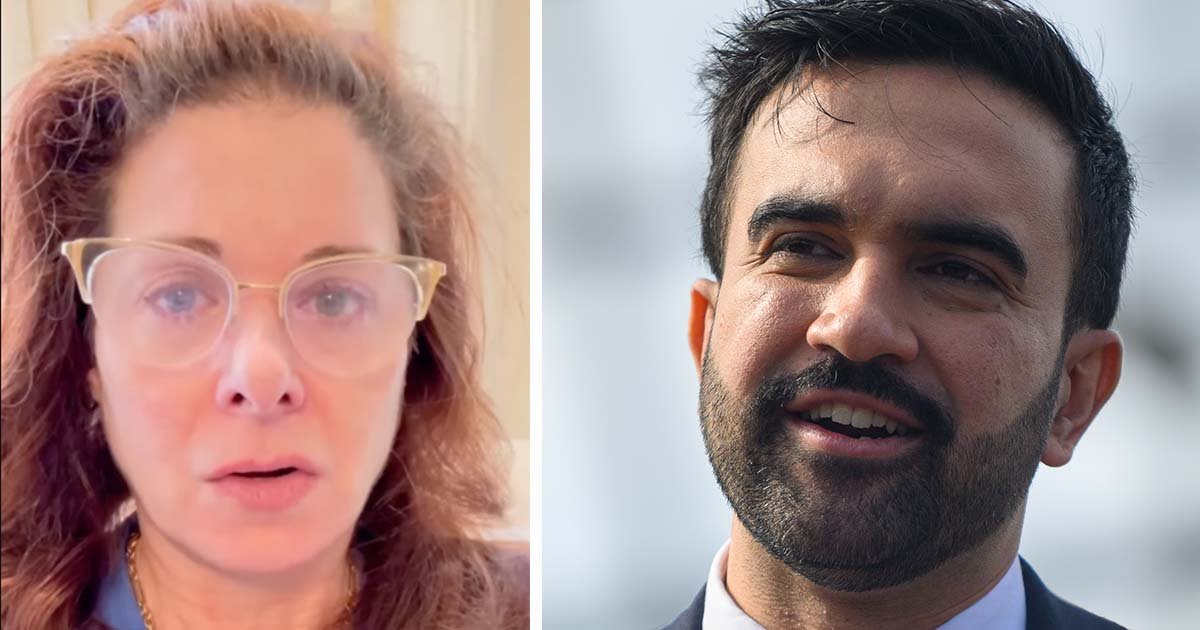
The election of a new mayor is typically followed by a period of analysis and debate over their proposed policies. However, the aftermath of Zohran Mamdani’s win in New York City has been overshadowed by personal attacks, and actress Debra Messing has become a focal point in the controversy. By choosing to share a viciously worded post about Mamdani, the “Will & Grace” star moved beyond mere political endorsement and into territory that many are calling outright bigotry, resulting in a significant public relations crisis for the actress.
The specific post that Messing reposted to her Instagram followers presented a false and inflammatory dichotomy. It asked viewers to choose between a simple “Democrat” and an “actual communist jihadist,” a label it applied to Mamdani. This kind of rhetoric, which deliberately links a mainstream political candidate with terrorism based on his religion, is seen by critics as a dangerous escalation in political discourse. The use of the word “jihadist” is particularly harmful, as it stereotypes all Muslims and intentionally stokes fear rather than encouraging informed discussion about a candidate’s platform.
The backlash against Messing was both rapid and intense. Across social media platforms, users expressed their horror and anger, with many vowing to never support her work again. Comments described her as an “idiot” and accused her of being a “deeply racist person.” The criticism often pointed out the ugly irony of an actress famous for playing a progressive character on a show that championed LGBTQ+ rights now engaging in what appeared to be religious intolerance. The public’s reaction demonstrated a low tolerance for hate speech, even when it comes from beloved cultural figures.
In contrast to the wave of criticism, a minority of online voices praised Messing for her post. Supporters in the comments section thanked her for being brave and for standing up for her beliefs, indicating that the inflammatory message resonated with a certain segment of the population. This defense, however, was drowned out by the volume of negative responses, which called for accountability and highlighted the real-world consequences of spreading such divisive language. The event sparked a broader conversation about the role celebrities should play in politics and the fine line between endorsement and defamation.
Zohran Mamdani, for his part, seemed to anticipate and directly confront this kind of smear campaign in his victory address. He spoke unapologetically about his identity, making it clear that he would not be swayed or silenced by attempts to marginalize him based on his faith or political philosophy. The strong public condemnation of Debra Messing’s actions suggests that a growing number of people agree with Mamdani’s stance and are rejecting political arguments that rely on prejudice and fearmongering instead of substantive debate.