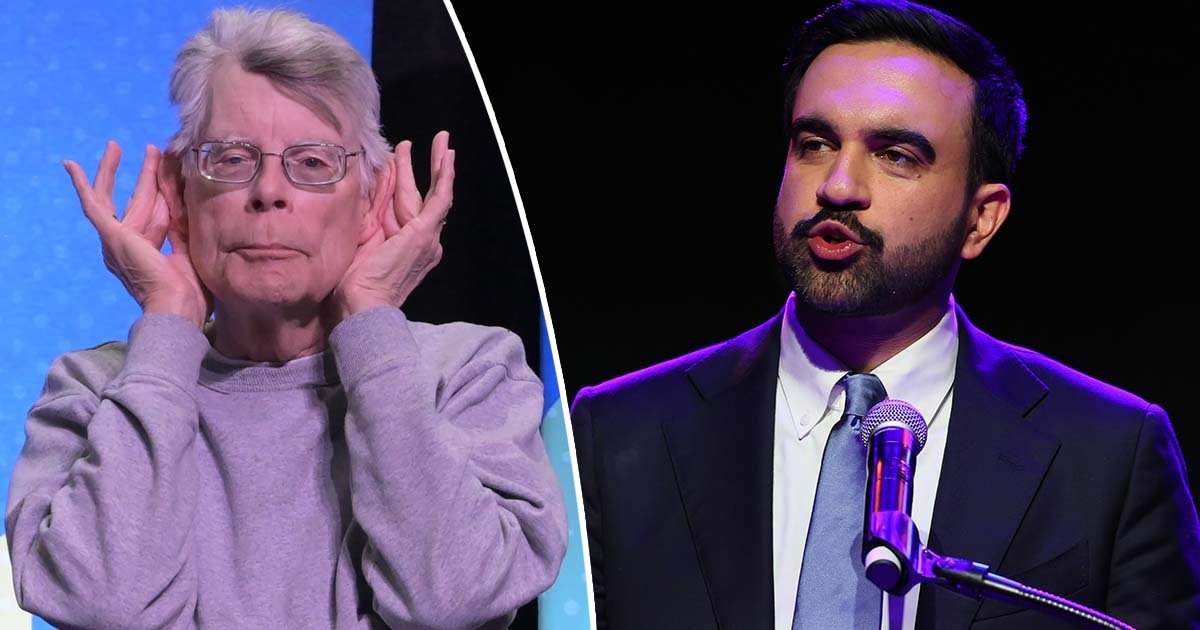
The political landscape of New York City has been reshaped by the election of Zohran Mamdani, a 34-year-old democratic socialist who has broken barriers as the city’s first Muslim mayor. While his win is a landmark moment, it has also exposed a deep-seated vein of intolerance, with Mamdani facing a torrent of online abuse centered on his religion. This hateful rhetoric has shifted focus away from substantive political discourse and toward ugly personal attacks, revealing the challenges that still exist in American society regarding religious acceptance and identity-based politics.
The bigotry reached a new peak on social media platform X, where a user posted a provocative image of the 9/11 attacks with a caption designed to stir up fear and division. The post questioned how New York City, having experienced an Islamic terrorist attack, could possibly elect a Muslim mayor. This argument, which relies on guilt by association and collective blame, is a classic tool of prejudice. It ignores the fundamental fact that a religion encompassing nearly two billion people is not a monolith and that individuals should be judged on their own merits and actions.
Seeing this harmful post, celebrated author Stephen King decided to step in and offer a much-needed reality check. Never one to shy away from speaking his mind, King reposted the message and responded with a brilliantly simple and factual retort. He wrote, “Um, he didn’t do it. He was 10 at the time.” This response masterfully used logic to expose the absurdity of the original claim. It served as a public reminder that blaming Mamdani for 9/11 is as irrational as it is unfair, effectively shutting down the argument with indisputable truth.
The online community largely rallied behind King’s statement, with his comments section becoming a forum for condemning the initial bigoted post. People expressed their disgust with the attempt to link the new mayor to terrorism, calling the rhetoric sickening and un-American. Many pointed out that if the same flawed logic were applied to other religions, no one would ever be qualified for office. The overwhelming support for King’s position indicated that a majority of people understand the importance of separating an individual from the violent acts of others who might share their faith.
Through it all, Zohran Mamdani has remained steadfast. In his victory address, he directly confronted the attempts to smear his character, proudly owning his identity and his political stance. He made it clear that he would not apologize for who he is, framing his election as a triumph over conventional thinking and a step toward a more daring political future. The support from high-profile figures like Stephen King, combined with the will of the voters, sends a strong message that New York City is choosing to look forward, not backward, and to judge its leaders by their vision, not their religion.