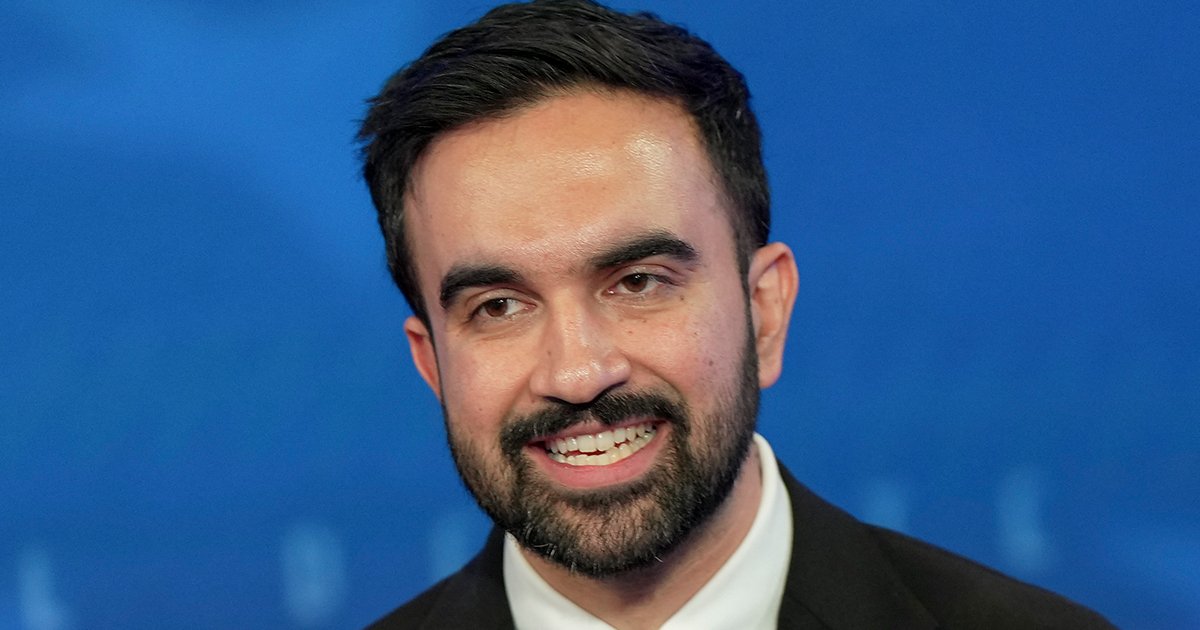
The rapid recirculation of Zohran Mamdani’s 2020 Columbus statue tweet following his mayoral victory is a textbook example of modern political opposition research in action. The tweet, depicting the democratic socialist giving the middle finger to the monument, serves as a potent, pre-packaged weapon for his opponents, designed to define him as a divisive figure before he even takes office.
The strategic value of the tweet lies in its simplicity and visceral impact. It requires no complex explanation—the image immediately frames Mamdani as disrespectful and aggressive toward a specific ethnic community. During the campaign, Andrew Cuomo effectively leveraged this, accusing Mamdani of being the “offender” who created tension with various communities, including Italian Americans. This allowed Cuomo to pivot from policy debates to a character-based attack, painting Mamdani as unfit to unite the city’s diverse populace.
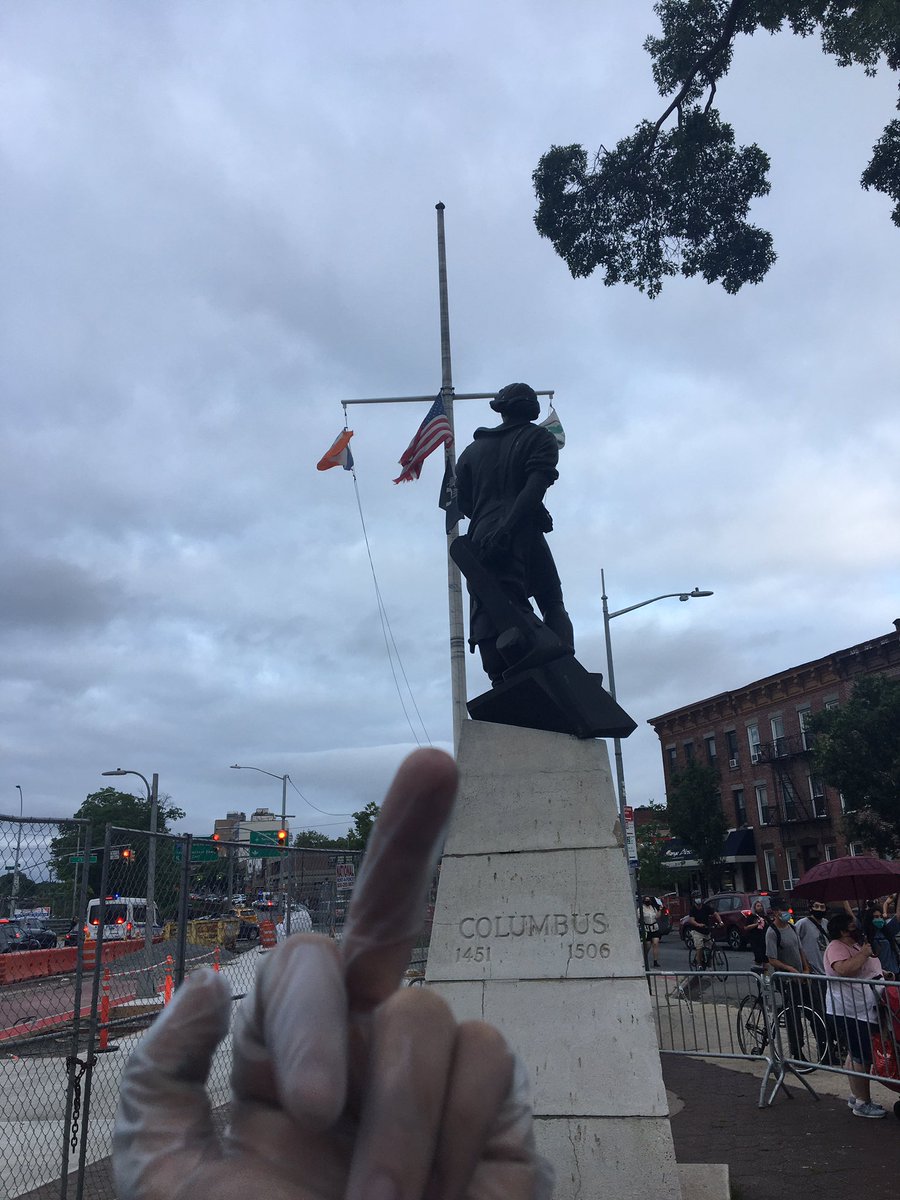
For conservative and centrist critics, the tweet is a gift that keeps on giving. It provides a visual shorthand to rally opposition and question the mayor-elect’s judgment and temperament. Comments from figures like former Trump official Ezra A. Cohen, who said Mamdani “disrespects the critical role Italians and Catholics played,” demonstrate how the single image can be used to galvanize a broad coalition against him.
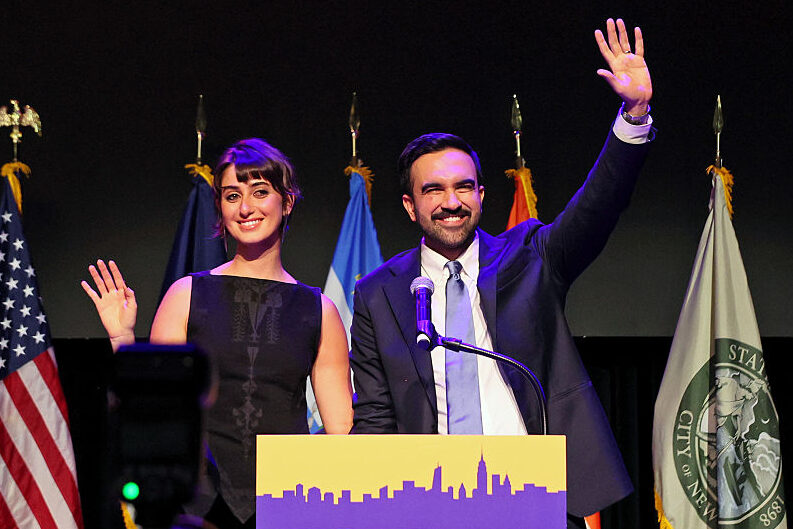
For Mamdani, the resurfaced tweet presents a significant communications challenge. It encapsulates the very critique his opponents will level against him: that his progressive activism makes him inherently divisive. How he addresses this—whether by ignoring it, defending his stance on historical grounds, or attempting to mend fences with the Italian American community—will be one of the first tests of his political agility as mayor. The incident proves that in the digital age, a politician’s past is never truly past, and a single social media post can become a central feature of their political identity.