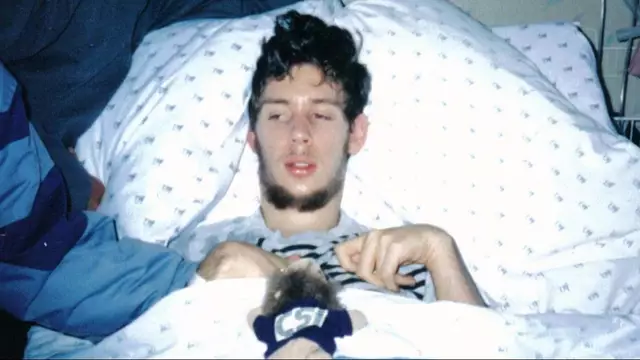
The human spirit’s capacity for resilience is perhaps no better illustrated than in the story of Martin Pistorius. At 12 years old, a sudden illness robbed him of his ability to move and speak, trapping his conscious mind in an unresponsive body for over a decade. His journey from a state of utter powerlessness to a life of love, family, and profound accomplishment is a staggering testament to the power of hope and the will to survive.
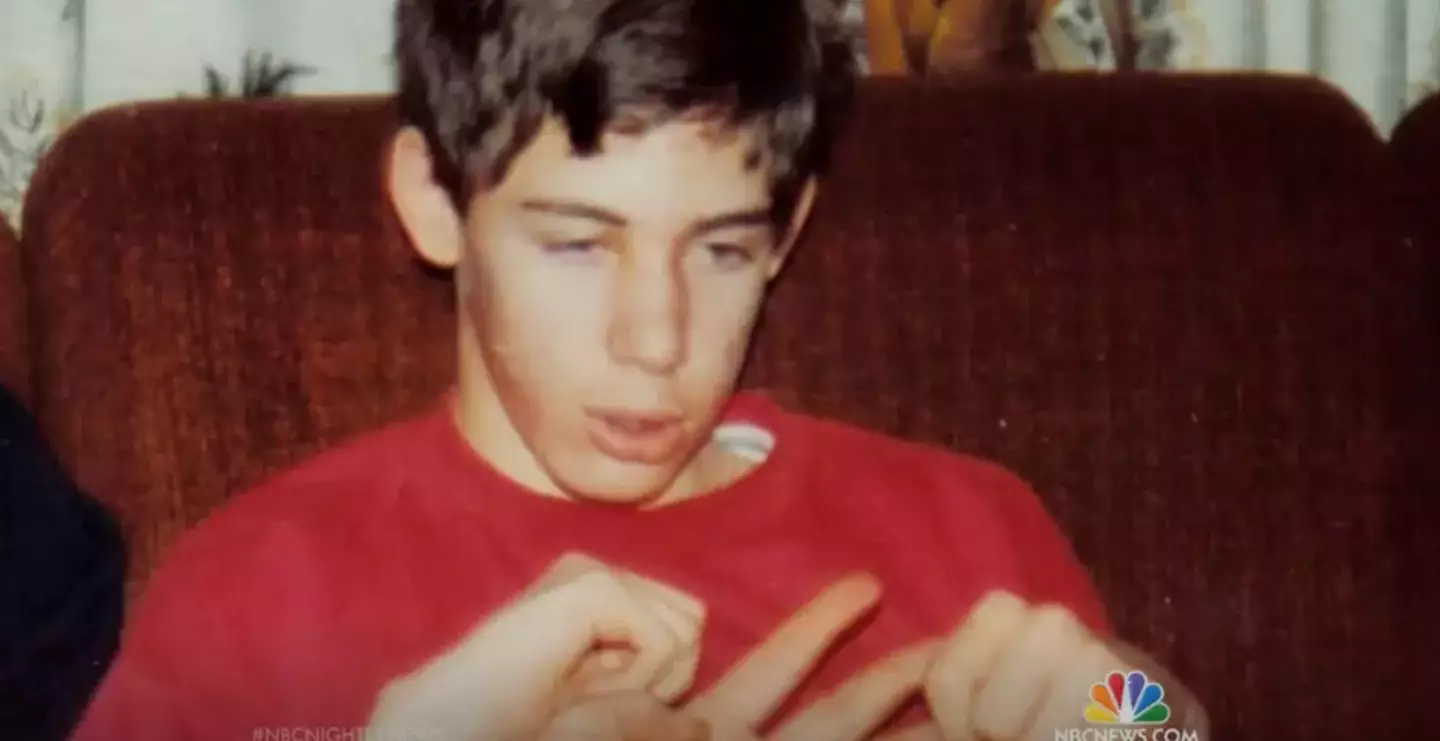
For years, Martin existed in a silent prison. He was aware of everything—the conversations around him, the decisions made for him, the passage of time—but had no way to reach out. He described this existence as a feeling of non-existence, where every aspect of his life was controlled by others. The psychological weight of this isolation is almost unimaginable, yet he held on. A pivotal shift occurred when a therapist, Virna van der Walt, saw not a patient in a vegetative state, but a person with a “sparkle” in his eye. That single observation, that act of seeing his humanity, became the key that began to unlock his prison.
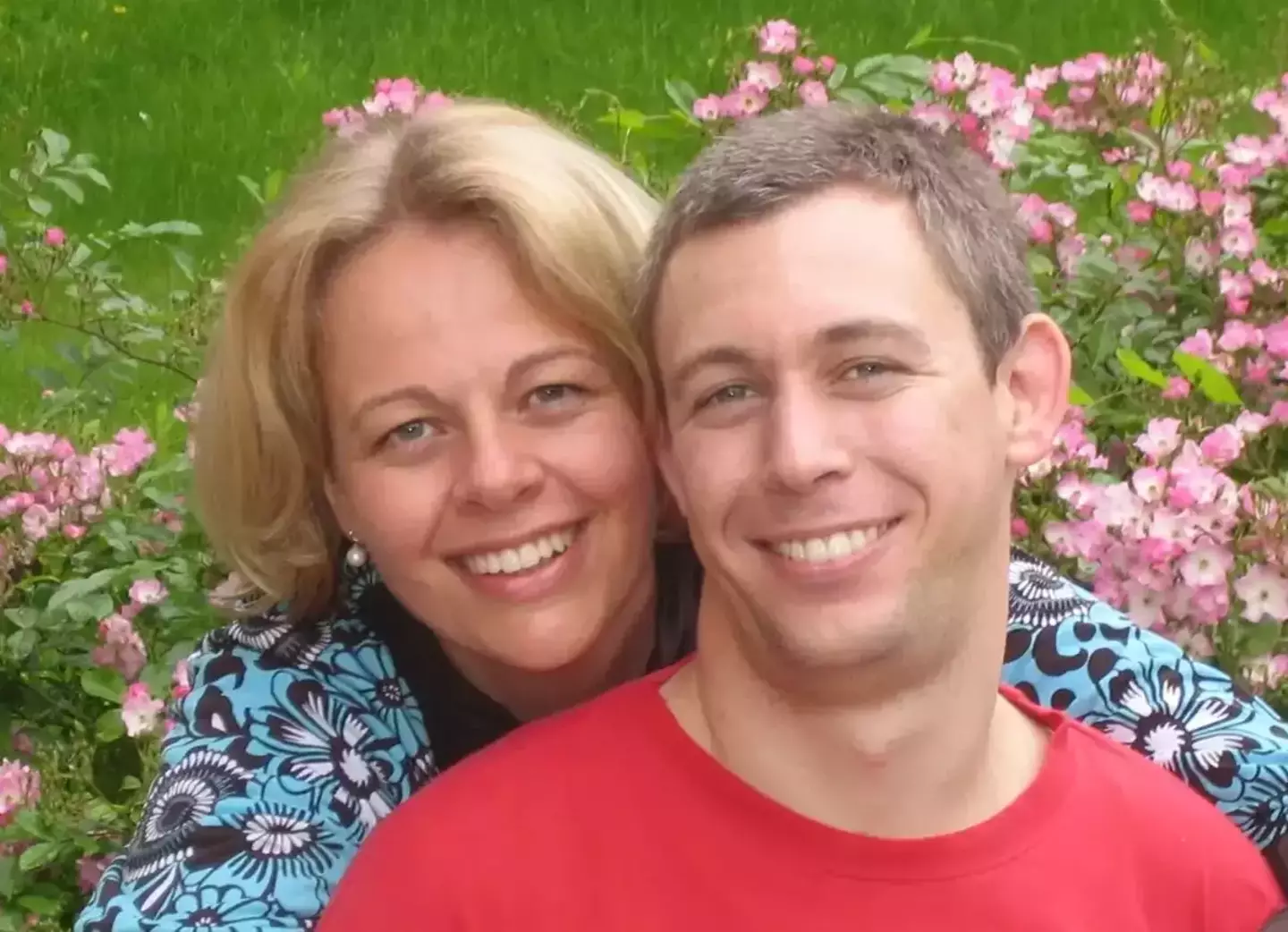
With the help of a communication computer, Martin slowly and painstakingly rebuilt his life letter by letter. This was not a sudden miracle, but a grueling process of reclaiming his identity. His determination led him to achieve what many would have deemed impossible: he earned a first-class university degree, mastered the skill of driving, and built meaningful relationships. He did not just recover; he thrived, crafting a rich, full life from the fragments of his stolen youth.
Today, Martin Pistorius is a husband and a father, milestones that once seemed forever out of reach. His story is a powerful reminder that our circumstances do not define us. It is a narrative of overcoming the unimaginable, proving that even in the face of complete powerlessness, the core of who we are—our mind, our spirit, our will to connect—can remain unbroken, waiting for the right key to set it free.