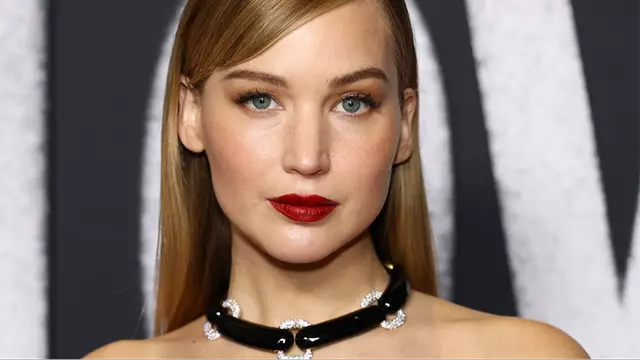
In an industry where the male gaze has often dictated the portrayal of nudity, Jennifer Lawrence’s recent comments about her new film, Die My Love, signal a refreshing shift toward actor-led artistic collaboration. The actress’s approach to the film’s intimate scenes, directed by the acclaimed Lynne Ramsay, underscores a commitment to the director’s vision that prioritizes raw authenticity over polished glamour.
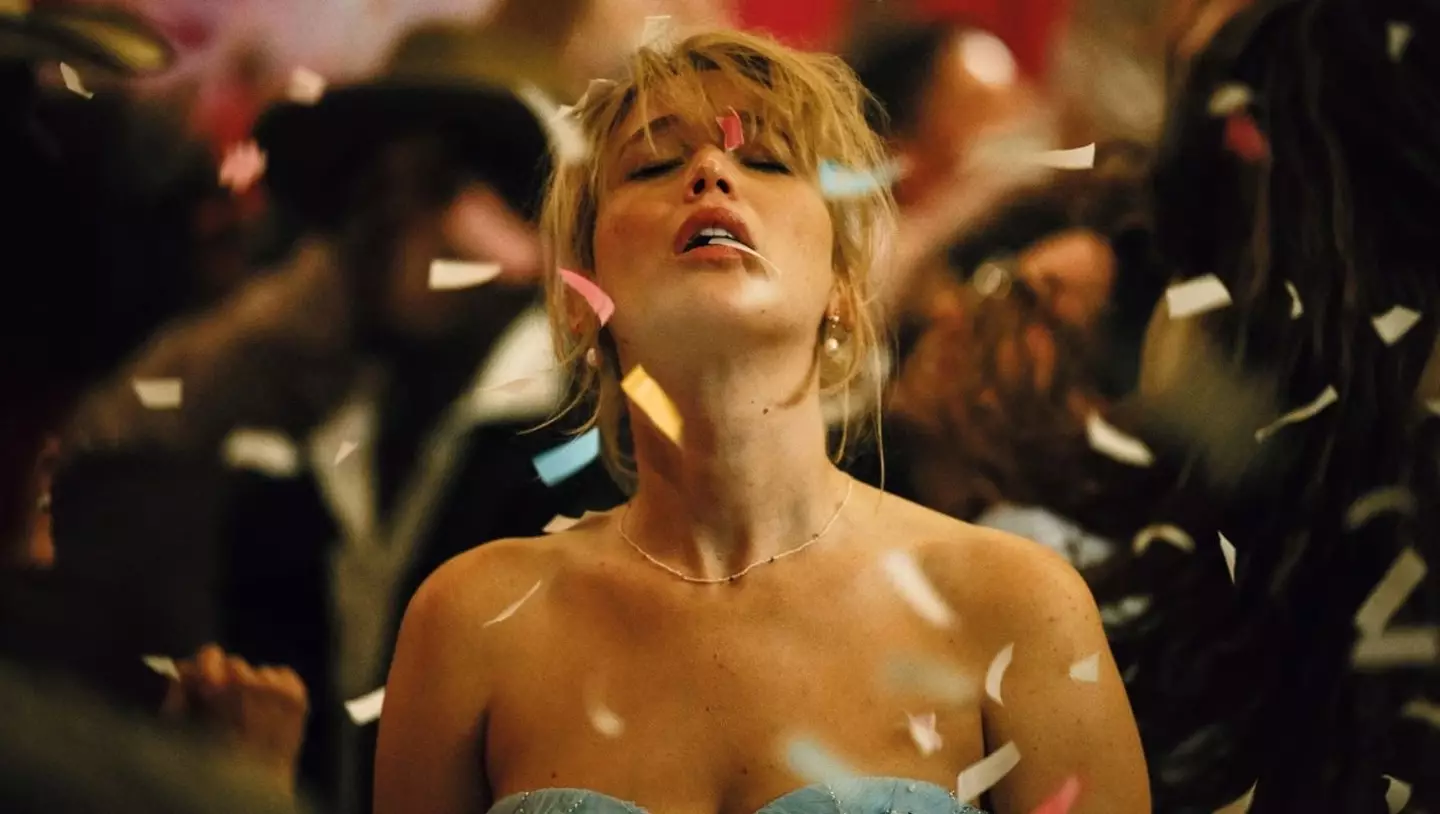
Lawrence explicitly stated that her comfort with nudity in the project was driven by a desire to serve the film’s artistic needs. “I wanted Lynne to have total freedom artistically,” she explained. This sentiment places the power in the hands of a celebrated auteur known for her gritty, psychological storytelling, suggesting a partnership built on mutual trust and a shared goal of creating uncompromising cinema.
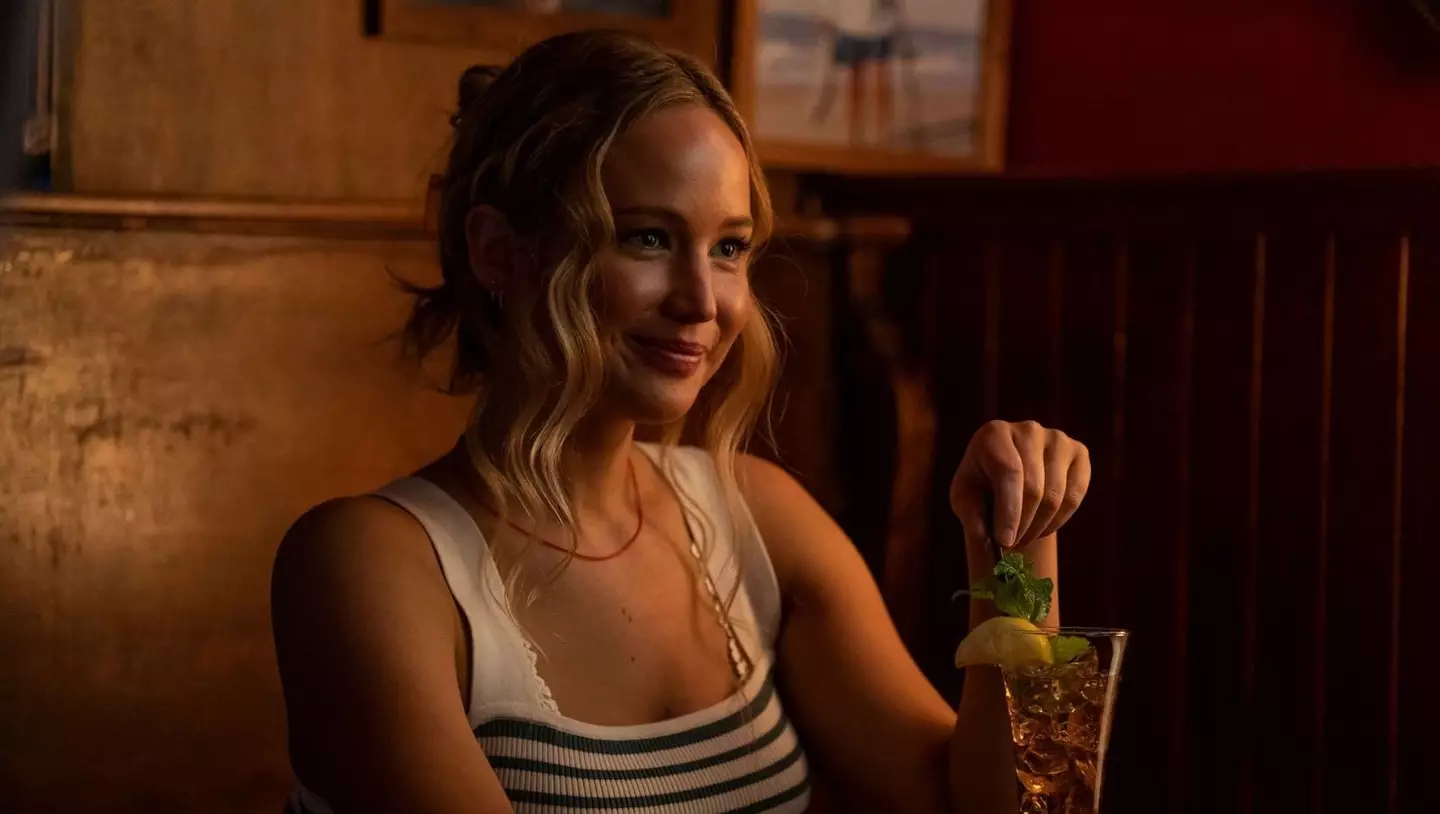
Her practical attitude was evident when she recounted the film crew offering to digitally remove cellulite from a close-up shot. Her blunt refusal—”No. That’s an ass”—is a significant act of pushing back against the industry’s standard practice of digital alteration. This choice grounds the film in a tangible reality that is essential for a story about a young mother grappling with postpartum isolation and psychological distress. The unvarnished truth of the human body becomes a tool for character development and emotional honesty.
Furthermore, Lawrence revealed that her performance was informed by her own lived experience with postpartum anxiety. This personal connection, combined with her willingness to present herself physically without filter, demonstrates a holistic dedication to the role. By subverting vanity and embracing the physical and emotional realities of her character, Lawrence elevates her performance from mere acting to a deeply embodied piece of storytelling, setting a new standard for authenticity in demanding dramatic roles.