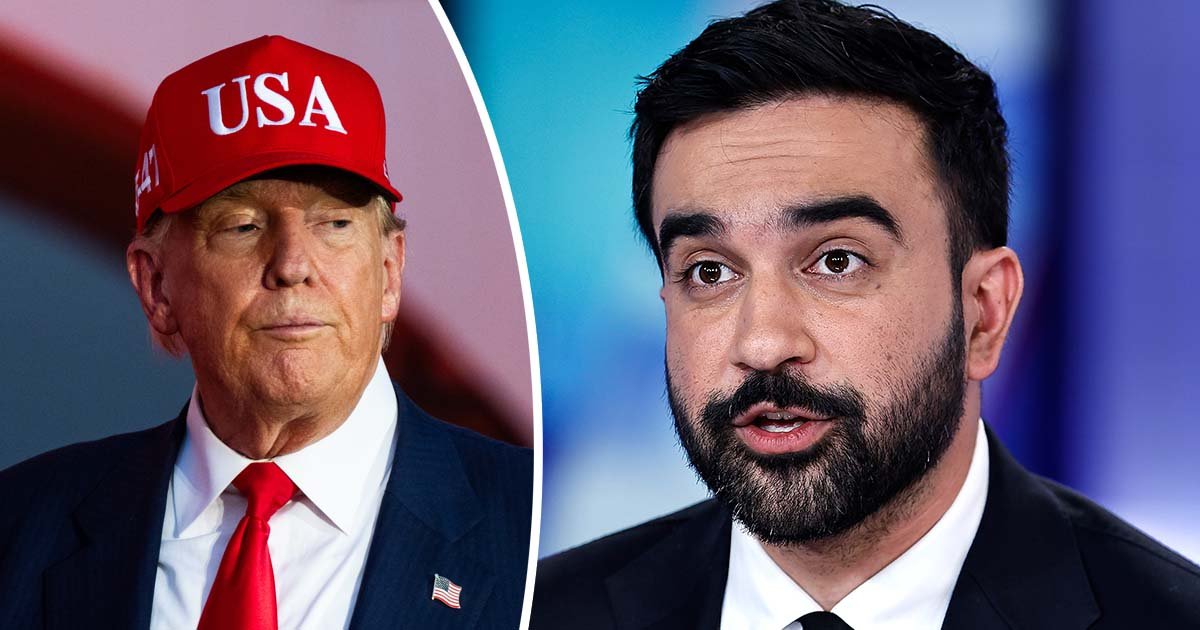
In a calculated move that has reshaped the final days of the New York City mayoral race, former President Donald Trump has intervened not merely to endorse a candidate, but to strategically define the election. His threat to cut federal funding if Zohran Mamdani wins serves a dual purpose: to energize his base against a progressive boogeyman and to consolidate the anti-Mamdani vote behind a single candidate, Andrew Cuomo.
Trump’s rhetoric is deliberately polarizing. By labeling Mamdani a “communist” and predicting total disaster, he aims to frame the election in apocalyptic terms for conservative and moderate voters. This strategy is designed to elevate the race’s national profile and make it a referendum on his own political movement. The threat to withhold federal funds is a tangible consequence that makes the abstract ideological fight feel immediate and real for voters.
Crucially, Trump’s statement explicitly instructs voters to abandon Republican candidate Curtis Sliwa, arguing that a vote for him is effectively a vote for Mamdani. This is a classic consolidation play, aimed at preventing a split in the moderate-to-conservative electorate that could allow the progressive frontrunner to win with a plurality. By throwing his weight behind Cuomo, Trump is attempting to funnel all anti-Mamdani sentiment toward the candidate he deems most capable of victory.
Mamdani’s response has been to accept the frame of a national fight but invert its meaning. By stating that Trump endorses Cuomo because he would be “the best mayor for him,” Mamdani seeks to galvanize his own progressive base and frame Cuomo as a puppet of the MAGA movement. This transforms the election into a clear choice between two distinct visions, one aligned with Trump and one opposed. Trump’s intervention, therefore, has successfully nationalized the race, setting a template for how federal-level politics may seek to influence key local contests in the future.