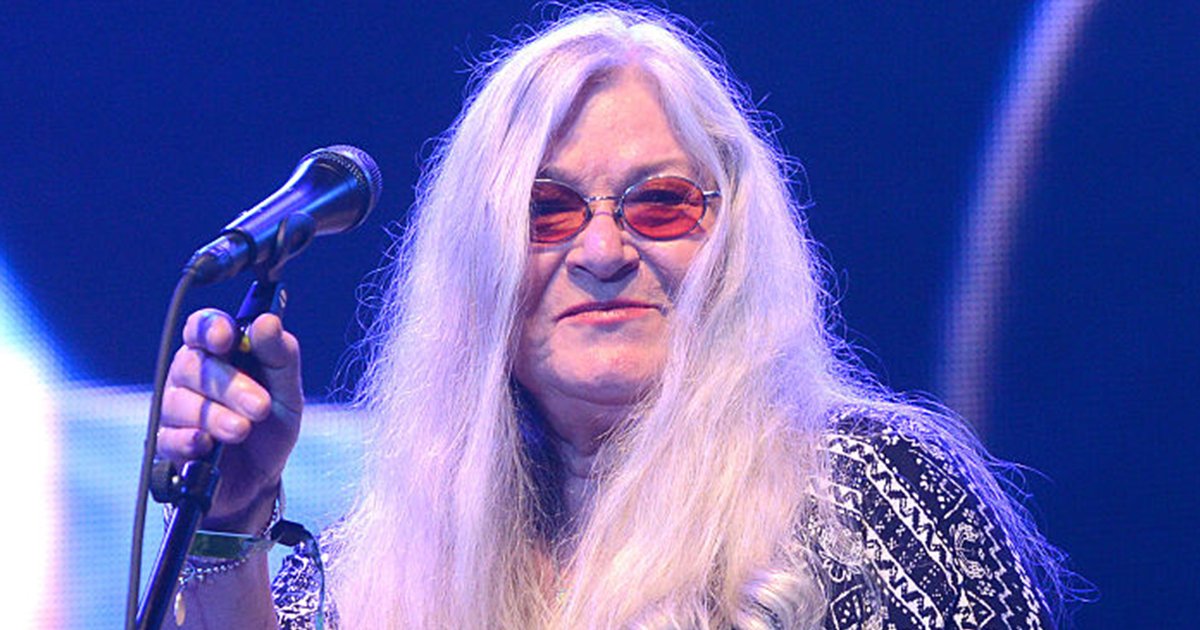
The music world has lost a unique and resonant voice with the passing of Donna Jean Godchaux-MacKay at the age of 78. The singer, best known as the only woman to be a full member of the iconic Grateful Dead, died Sunday in a Nashville hospice after a long battle with cancer. Her family confirmed her death, remembering her as a “sweet and warmly beautiful spirit” and quoting Grateful Dead lyricist Robert Hunter: “May the four winds blow her safely home.”
Godchaux-MacKay’s career was a tapestry of American music history. Born Donna Jean Thatcher in Florence, Alabama, she was a teenager immersed in the legendary Muscle Shoals sound, witnessing early sessions by greats like Aretha Franklin and Otis Redding. She quickly became an in-demand session singer, lending her powerful, soulful voice to timeless tracks, most notably Percy Sledge’s “When a Man Loves a Woman” and Elvis Presley’s “Suspicious Minds.”

Her entry into Elvis’s world was the stuff of legend. In 1969, a demo of “Suspicious Minds” featuring her vocals was playing in a studio as Elvis walked by. The King reportedly stopped and declared, “I want that song. And I want those girls.” Godchaux-MacKay later recalled the experience as magical, describing Presley as “the most gorgeous creature I’d ever seen” and remembering that she and a friend celebrated the session’s end by going to an IHOP and “scream[ing] for two hours.”

View this post on Instagram
In 1972, her life took another dramatic turn when she and her husband, pianist Keith Godchaux, joined the Grateful Dead. For the next seven years, her gospel-tinged harmonies defined the band’s sound on albums from “Europe ’72” to “Shakedown Street.” While her structured background was initially a shock against the Dead’s improvisational style, she came to embrace it, and her performances on songs like “Sunrise” became cherished parts of the band’s legacy. After leaving the Dead and the tragic death of her husband in 1980, she continued to make music for decades, forming new bands and recording until 2014. Her voice, which once echoed in arenas with the Dead, now leaves a silent space in the world of rock and roll.