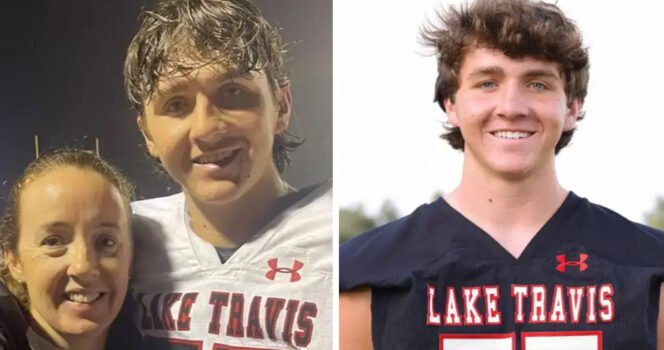
Every parent of a child with a severe allergy lives with a quiet undercurrent of fear. For Shawna Mannon, that fear became a reality when her son, Carter, a varsity football player, was targeted by his teammates in a prank that could have ended his life. The story is every parent’s worst nightmare: the people you expect to have your child’s back instead become the source of unimaginable danger, and the system designed to protect them falls short.
The Mannon family had been managing Carter’s severe peanut allergy since he was nine months old. They taught him caution and prepared him with an EpiPen, hoping he could live a normal, active life. Making the high school football team was a dream come true for Carter, a place where he should have found brotherhood and support. Instead, his trust was shattered. After a conversation where Carter explicitly told his teammates that his allergy could kill him, they responded by scattering peanuts in his locker, on his game jersey, and inside his cleats.

For a parent, the emotional whiplash is devastating. The pride of seeing your child succeed is replaced by the terror of receiving that phone call. Shawna Mannon did what any protective parent would do: she escalated the issue to the school board, demanding accountability. However, she was met with a bureaucratic response that the incident did not meet the legal definition of bullying. This dismissal can feel like a second betrayal, invalidating the very real peril her son was in and the family’s ongoing trauma.
The aftermath was perhaps the most heartbreaking part. Instead of remorse, Carter faced continued harassment, including a peanut butter granola bar being placed in his backpack. The message was clear: the environment was no longer safe for him. The ultimate solution, as for so many children who face unaddressed bullying, was to withdraw and start over at a new school. This story is a painful lesson for parents about the importance of vigilant advocacy and the difficult decisions that must be made when a community fails to protect its most vulnerable members.