What does it mean to think rationally? For a long time, the answer was thought to be uniquely human. However, a new scientific discovery involving chimpanzees is reshaping our understanding of intelligence itself, showing that the ability to weigh evidence and change one’s mind is not ours alone.
Imagine you’re shown two boxes and given a hint about where a prize is hidden. Later, you get a better, clearer hint that points to the other box. A rational person would switch their choice. Astonishingly, chimpanzees do the same. Researchers found that these apes can judge whether a clue is strong or weak. If a stronger piece of evidence comes along, they will abandon their initial guess, showing a flexible and logical thought process.
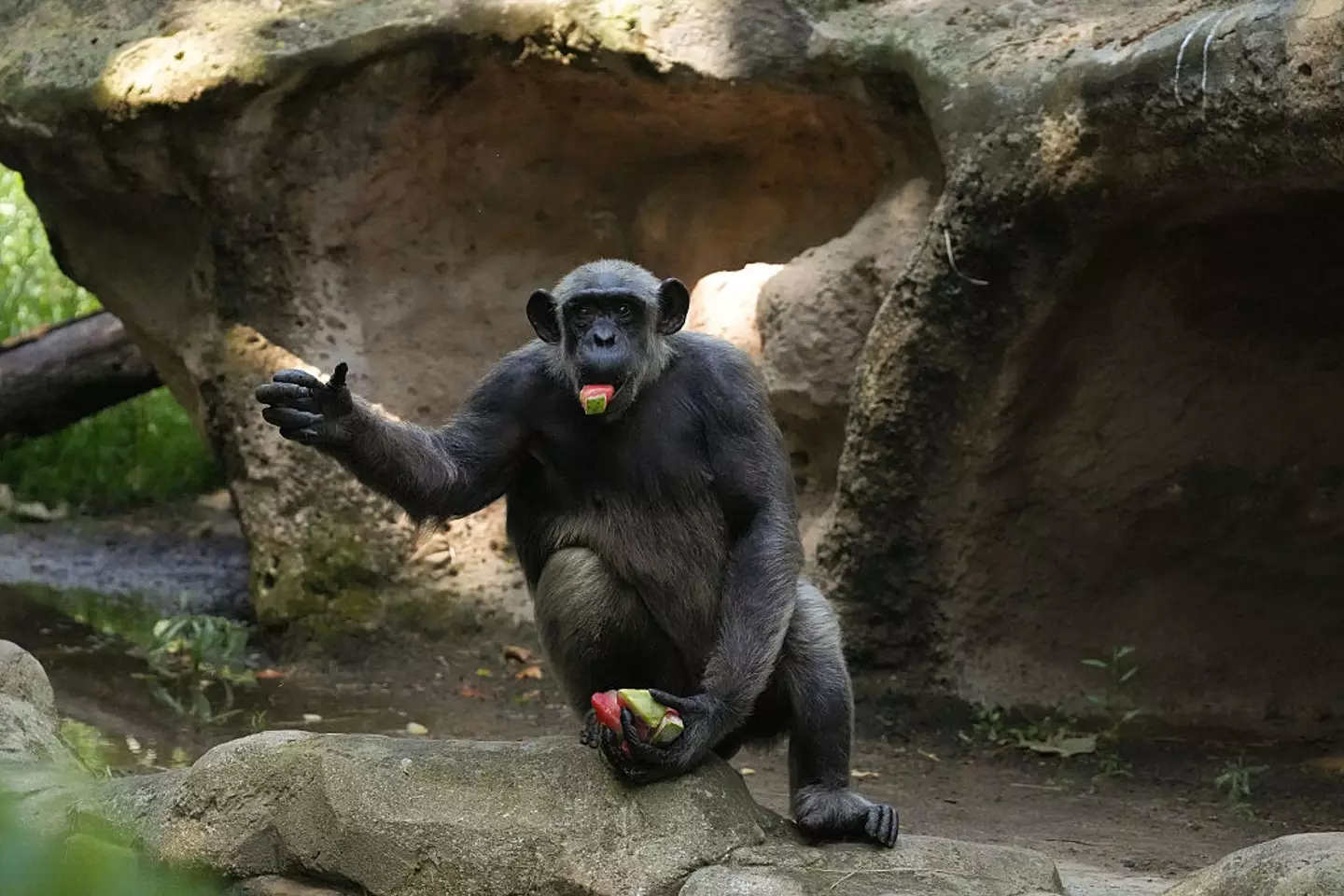
This is a far cry from simple problem-solving. It shows that chimpanzees have a basic form of critical thinking. They can even recognize when they’ve been tricked. If a box only contained a picture of food instead of the real thing, the chimps understood that the first clue was bad and correctly changed their minds.
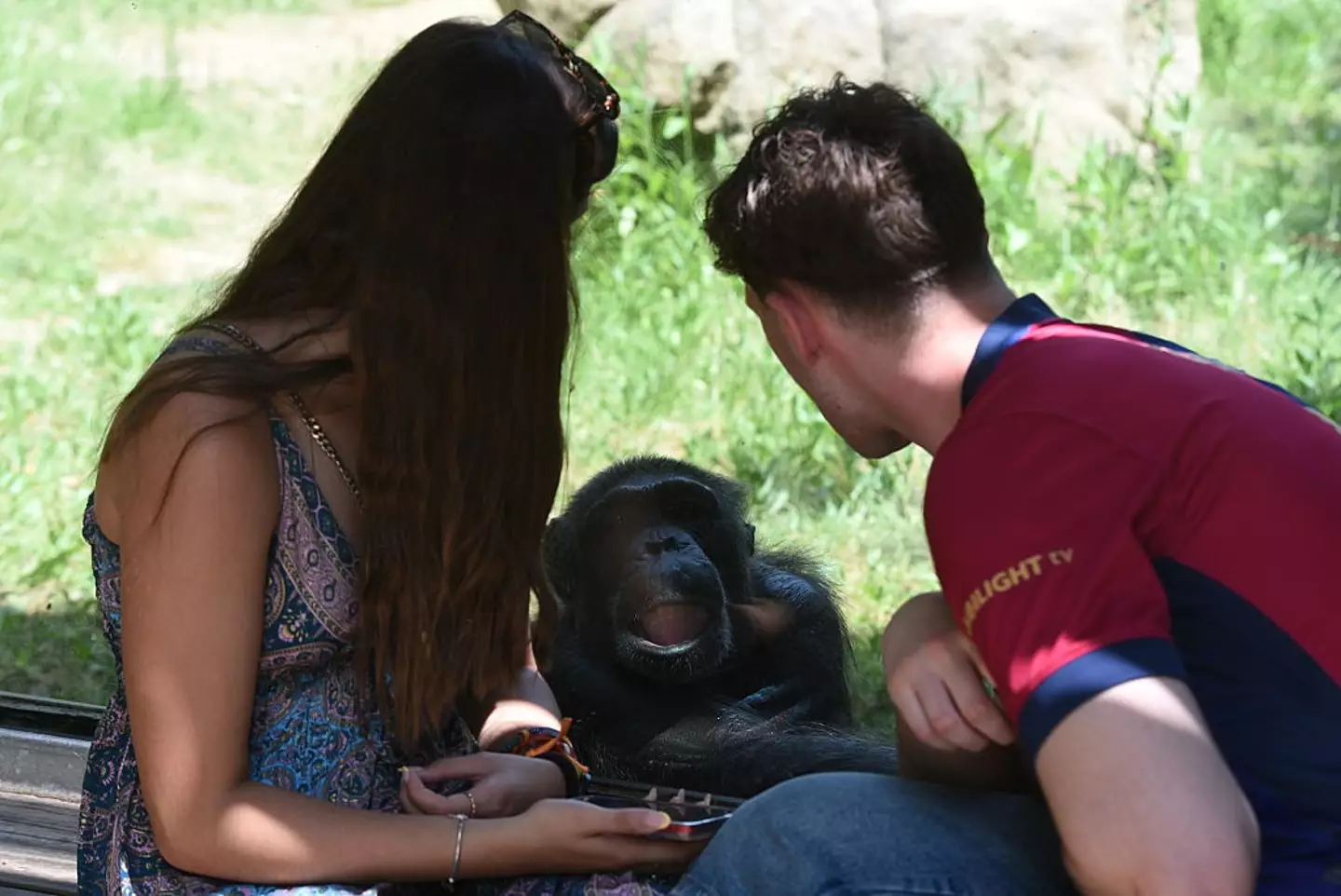
As researcher Emily Sanford noted, this is the same kind of reasoning we see in young children. This breakthrough teaches us a profound lesson: the building blocks of logic and rational decision-making are not a recent human invention, but an ancient cognitive tool we share with our closest relatives in the animal kingdom.