
Vice President JD Vance’s recent podcast commentary has provided a textbook example of how a politician’s standalone statement can be instantly contextualized by a colleague’s past controversy. His declaration that dog abusers are “terrible” people was a clear attempt to align with a popular moral position, but it had the immediate effect of refocusing public attention on a damaging episode from Secretary Kristi Noem’s career.
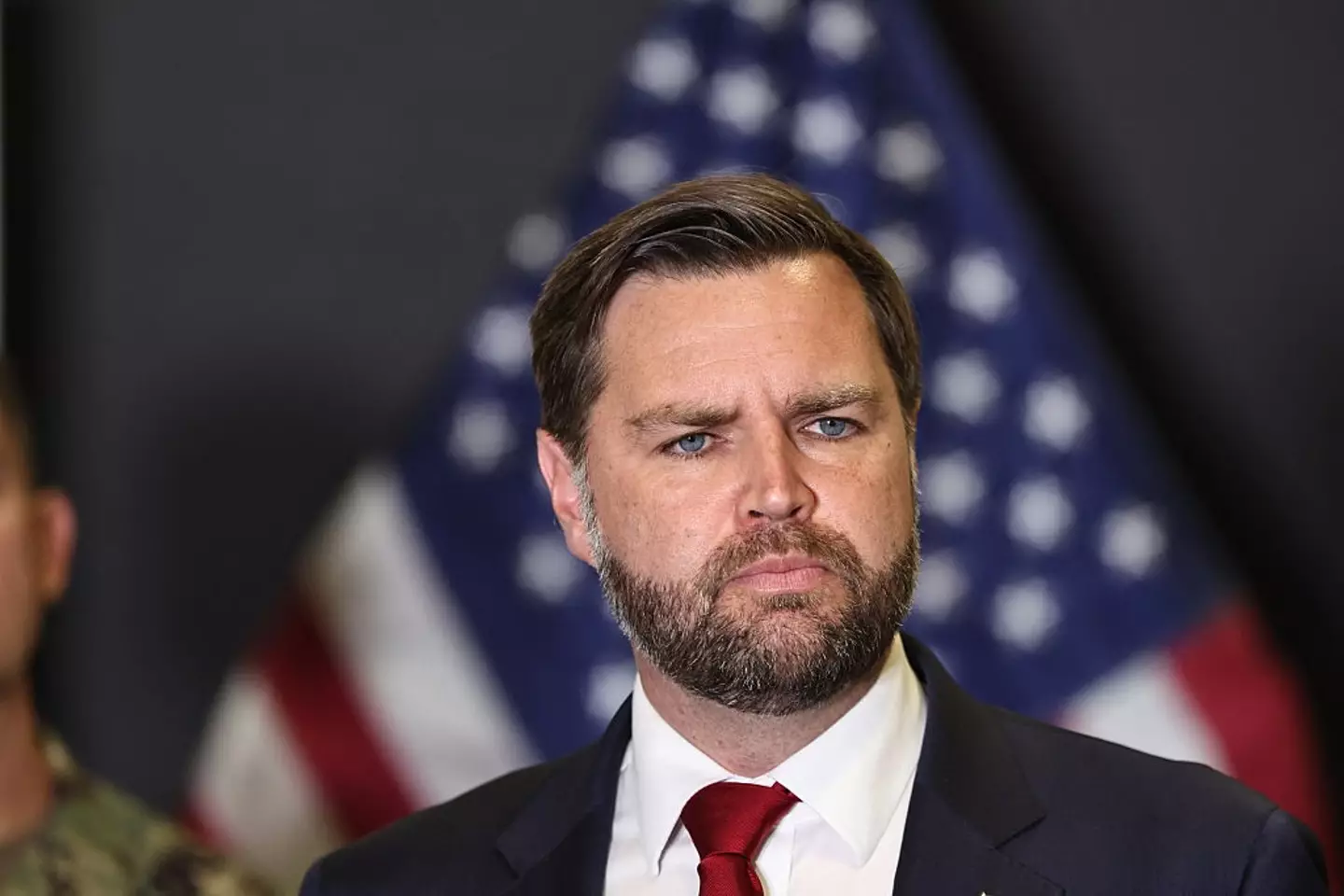
Analyzing Vance’s language reveals a deliberate effort to be unequivocal. He used phrases like “100 percent sign” and “really terrible person,” leaving no room for ambiguity. By invoking the specter of Jeffrey Dahmer and the trope of animal-torturing serial killers, he anchored his argument in a well-established cultural and psychological narrative. For the average listener, it was a strong, relatable condemnation of animal cruelty.
The political analysis, however, begins with the reaction. The fact that the streamer Hasan Piker and others immediately referenced Kristi Noem demonstrates the lasting power of her memoir revelation. The story of her shooting the dog Cricket is not a forgotten footnote; it is a live wire in her public profile. Vance’s comments, regardless of intent, served to re-energize that narrative, creating an implicit, and deeply unflattering, comparison.
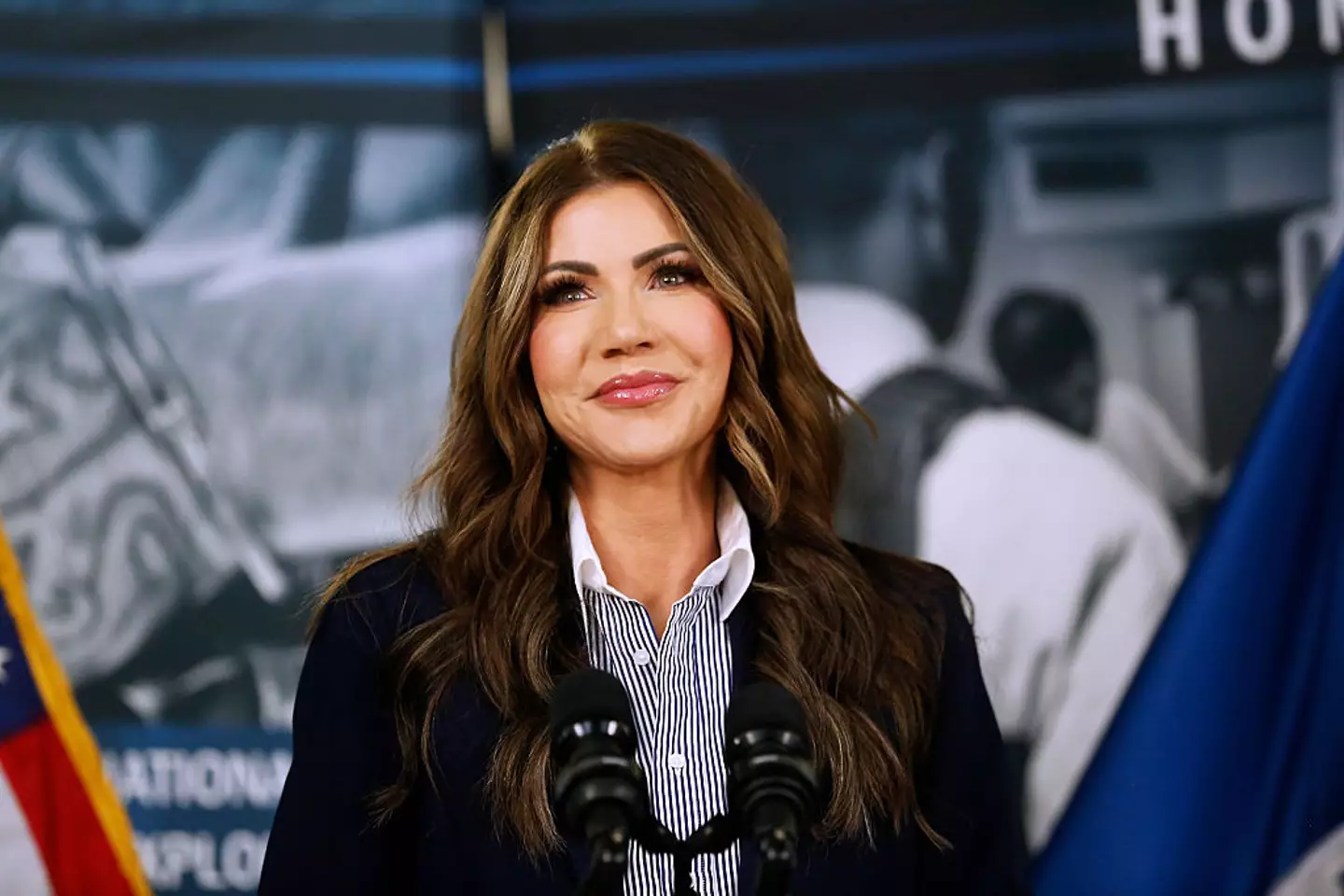
This situation underscores a challenge for any administration: managing the collective baggage of its members. While Vance was speaking in a personal capacity, his role as Vice President means his words are inevitably seen as reflective of the broader administration’s values. The swift public juxtaposition of his statement with Noem’s action suggests that the administration has not fully moved past the scandal, and that individual members’ past decisions can continue to create complications for the team’s unified message.