The story of Dennis Rader, the BTK Killer, is more than a true crime saga; it is a story that fundamentally disrupted the American ideal of suburban safety. For the residents of Wichita, Kansas, the threat wasn’t a stranger from the inner city—it was the unassuming man down the street, the one who served on the church council and mowed his lawn every weekend. Rader’s case forced a nation to confront the terrifying idea that evil could be intimately woven into the fabric of everyday life.

Rader’s public persona was meticulously crafted. He was a model of middle-American values: a veteran, a family man, and a dedicated employee. He leveraged this image to become invisible. As a compliance officer, he was obsessed with rules, earning him the nickname “Blue Book Man.” This hyper-focus on order and control in his public life was the perfect counterbalance to the chaotic violence he inflicted in private, allowing him to operate undetected for decades.
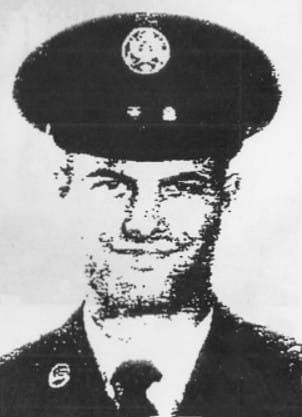
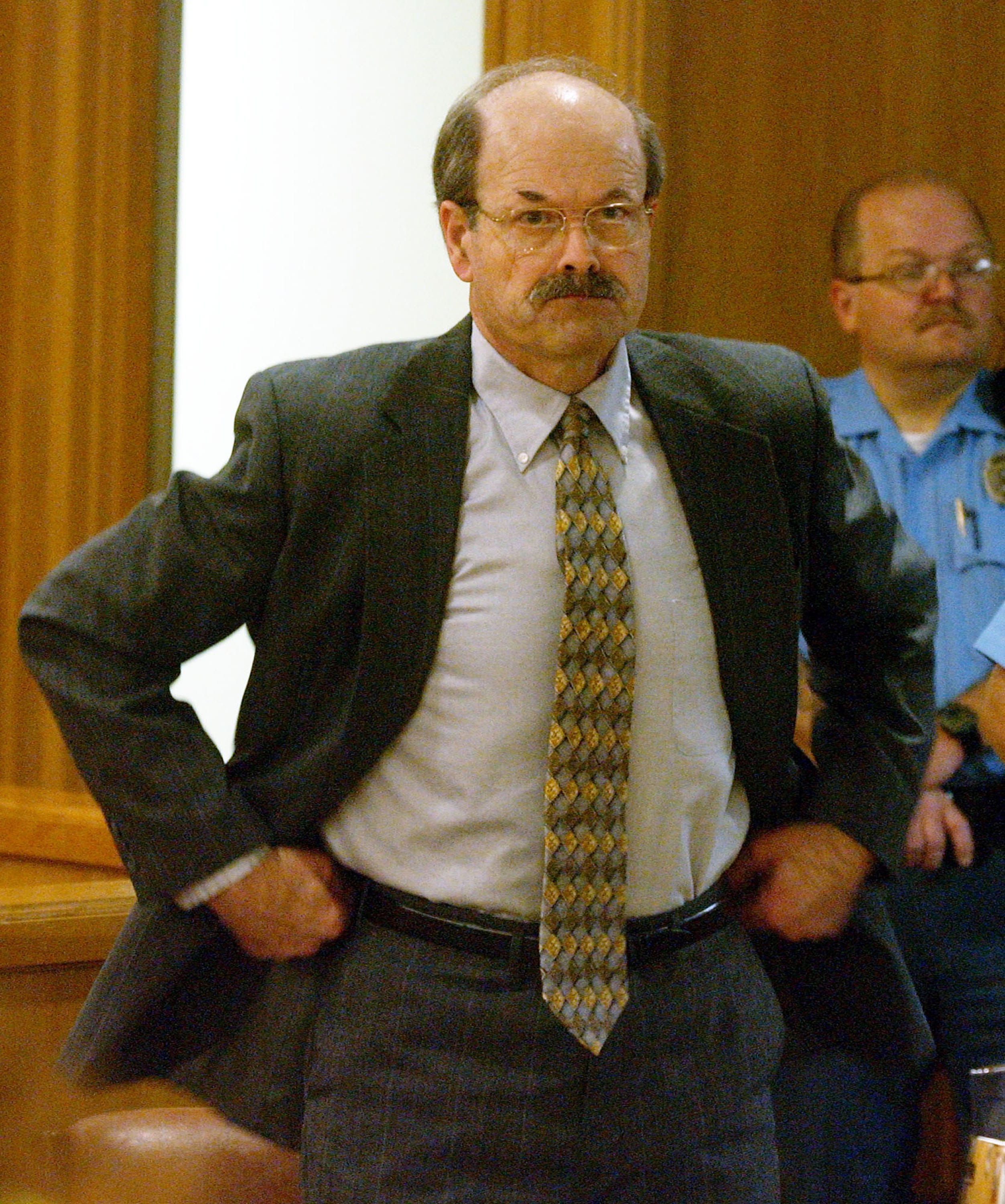
The cultural impact of his capture was profound. When he was arrested in 2005, the phrase “the banality of evil” was invoked repeatedly. Here was a man without a dramatic backstory or obvious red flags, challenging the popular media portrayal of serial killers as charismatic geniuses or visibly disturbed individuals. Rader was neither; he was boring, which made him all the more terrifying. He proved that monstrosity requires no outward sign, shattering the comfort people derive from thinking they can identify a threat.

The legacy of the BTK case endures in the ongoing struggle of his own family. His daughter’s journey to understand her father, as documented in films and her own writings, highlights the collateral damage of his crimes. It raises impossible questions about nature versus nurture, the secrets within families, and the enduring trauma for the victims’ families and his own. The photograph of a smiling young Dennis Rader remains a powerful and unsettling symbol of the darkness that can reside behind the most normal of faces, forever changing how we view our neighbors and the concept of safety in our own communities.