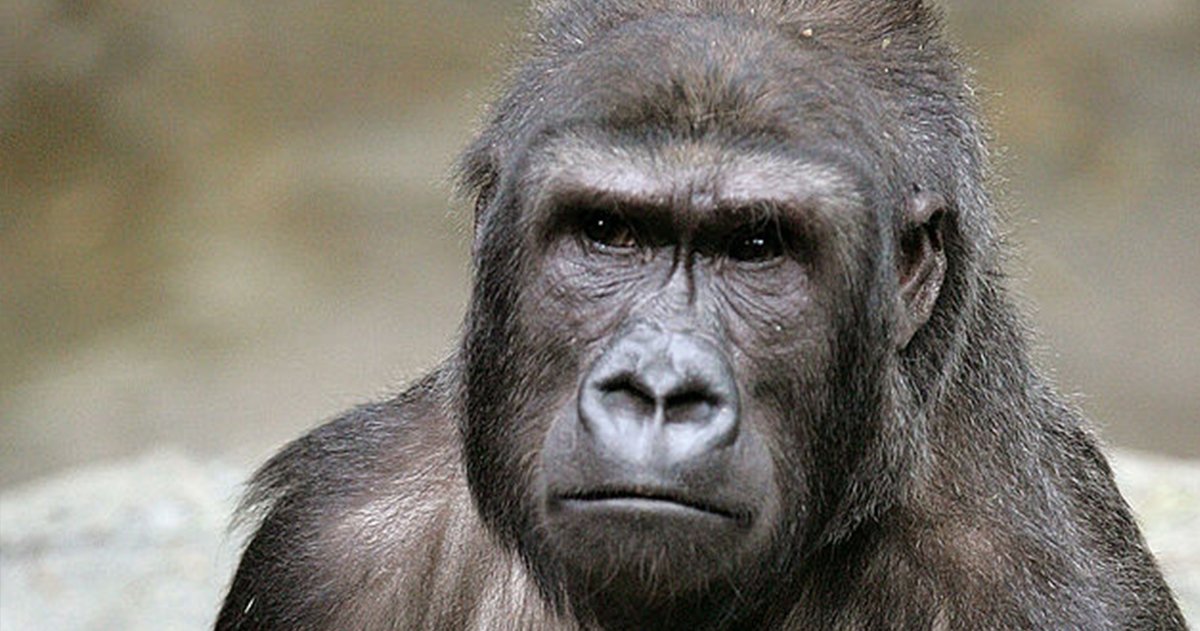
History is marked by events that change our perception, and in August of 1996, an eight-year-old gorilla named Binti Jau authored one such moment. When a three-year-old boy fell into her enclosure at the Brookfield Zoo, her subsequent actions did more than save a life; they challenged decades of cultural stereotypes and forged a new understanding of one of our closest animal relatives.
For much of modern history, gorillas were largely portrayed in popular culture as monstrous, aggressive beasts, thanks to characters like King Kong. The reality inside the Brookfield enclosure that day could not have been more different. As the child lay unconscious, Binti Jua approached not with fury, but with care. Cradling the boy and carrying him to safety, she single-handedly began to dismantle the myth of the ferocious ape for millions who saw the footage on the news.
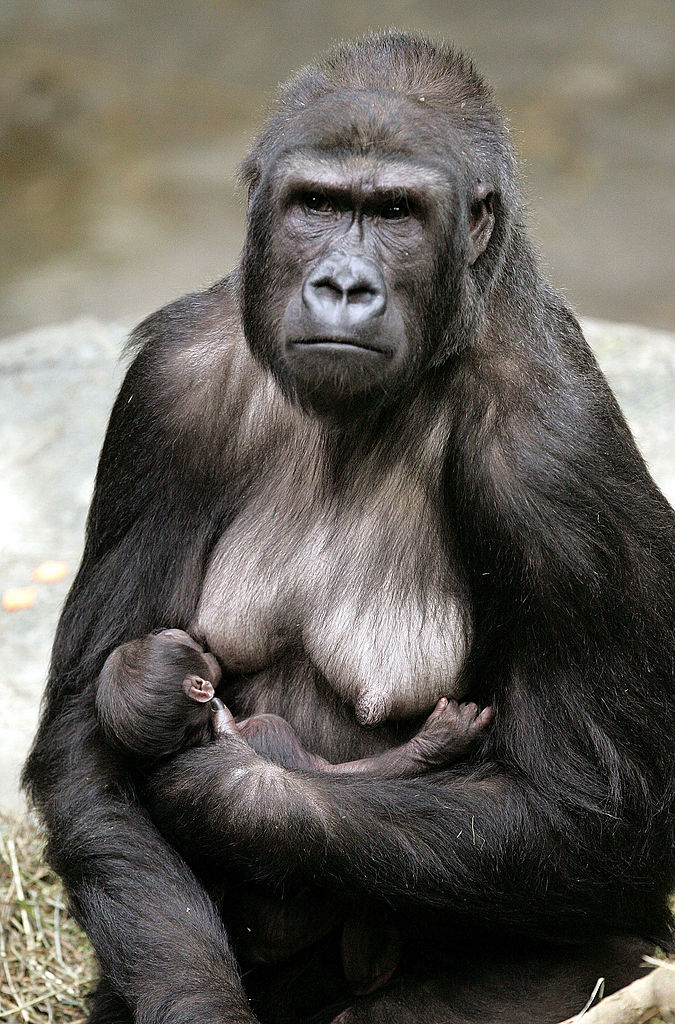
The aftermath of the rescue was a media phenomenon. Binti Jua was hailed as a hero, featured on the covers of magazines and honored by publications like Newsweek. The public flocked to the zoo not to see a fearsome creature, but to witness the gentle giant who had displayed such profound compassion. Her act sparked widespread debate, forcing a public conversation about animal intelligence, empathy, and the nature of altruism.
The incident also prompted a deeper look into the lives of gorillas in captivity. Binti Jua’s own history—being hand-raised by humans and trained in infant care—provided context for some, while for others, it did not diminish the genuine empathy her actions displayed. Her story is often discussed alongside that of Jambo, another gorilla who protected a fallen child in Jersey Zoo years prior, building a compelling case for the inherent protective nature of these animals.
Today, Binti Jua’s legacy endures. She is a permanent entry in the annals of remarkable animal behavior, a symbol of how a single act of kindness can reshape perceptions. Her story continues to be told as a powerful reminder that intelligence and compassion are not solely human traits, and that true strength is often demonstrated not through force, but through gentle, protective care.