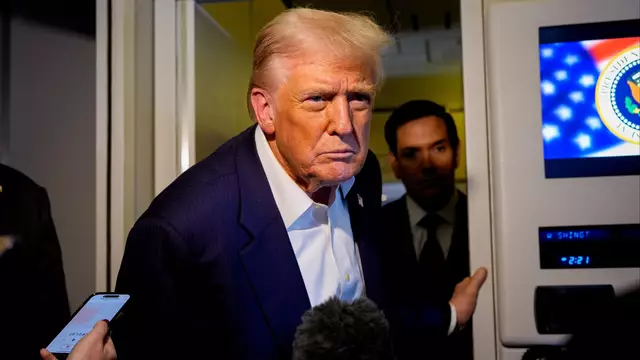
A recent directive from former President Donald Trump to resume nuclear weapons testing has ignited a firestorm of debate, but the path from command to execution is fraught with immense practical and political challenges. While the announcement projects an image of immediate action, the reality of restarting explosive nuclear tests for the first time since 1992 is a protracted and contentious process that would face significant hurdles at home and abroad.
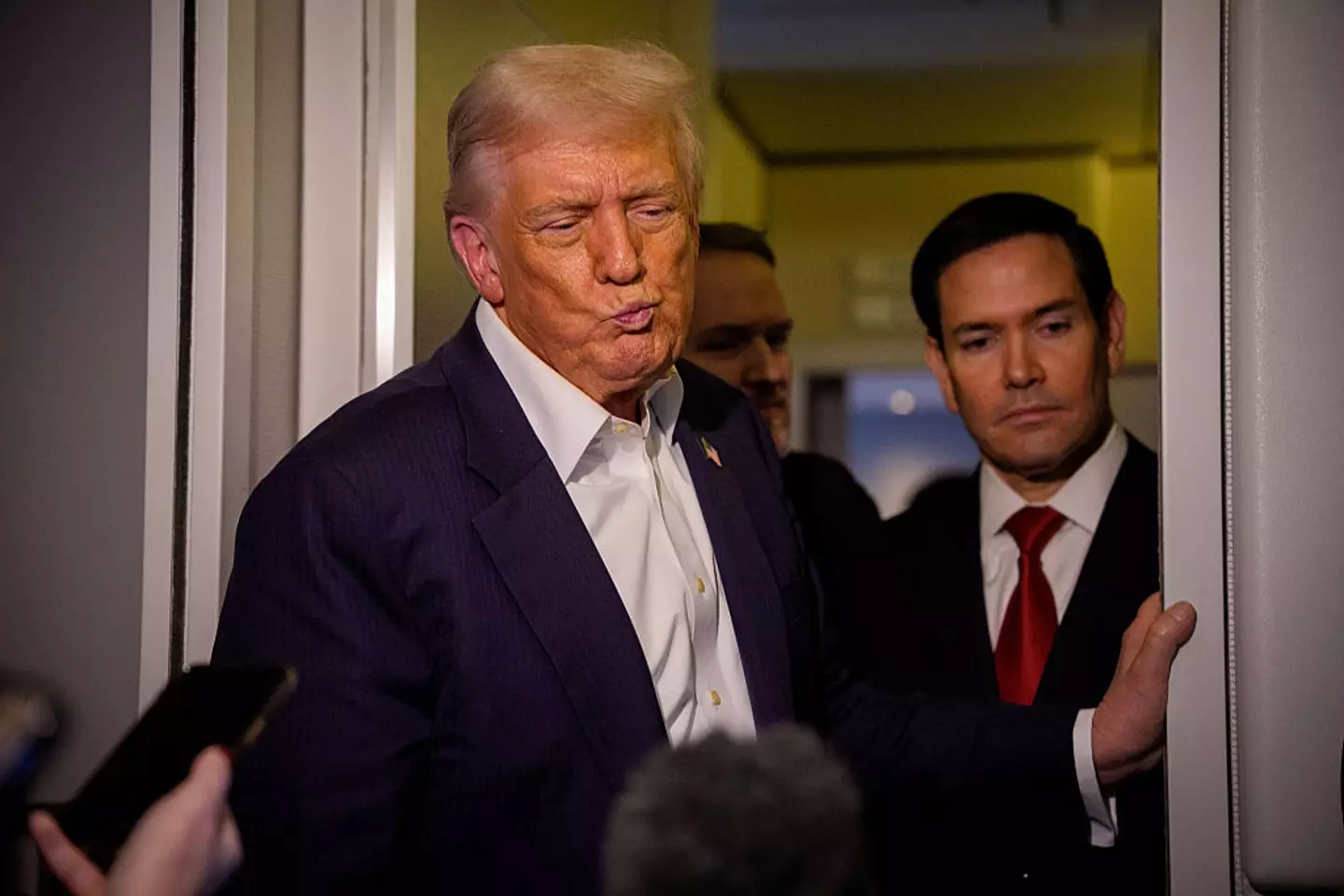
The presidential order, communicated via social media and confirmed to reporters, calls for the Department of War to begin testing “immediately.” The stated justification is to keep pace with the testing programs of other nuclear powers, specifically Russia and China. This policy shift is framed as a necessary element of modern deterrence, ensuring the reliability of the U.S. arsenal and demonstrating resolve in an increasingly tense global security environment.
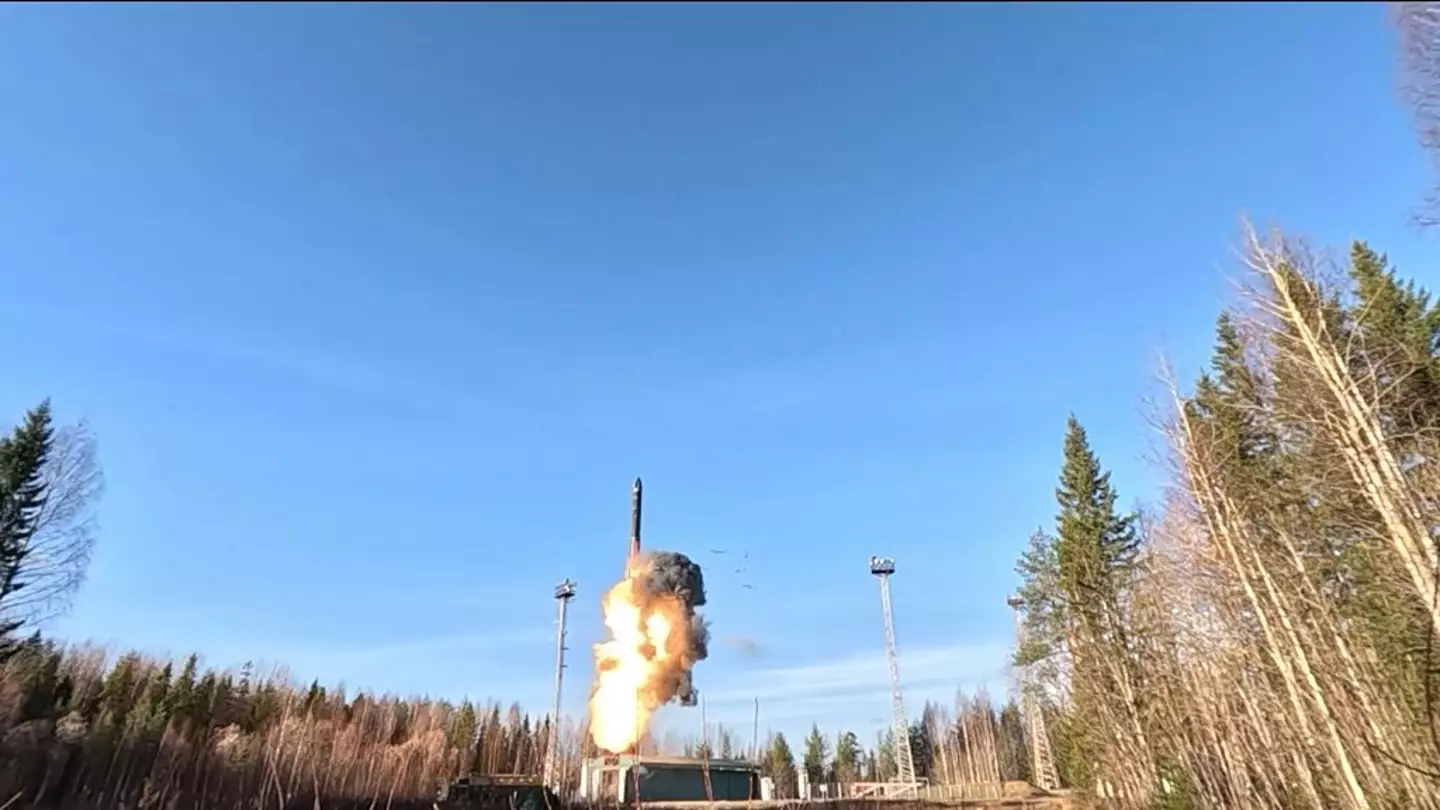
However, arms control experts immediately pushed back, highlighting the strategic risks. The director of the Arms Control Association stated that resuming testing is not just unnecessary from a technical standpoint, but is actively dangerous from a diplomatic one. He warned that such a move could “trigger a chain reaction,” encouraging other nations to abandon their own moratoriums and leading to a new global arms race. This would fundamentally undermine the nuclear Nonproliferation Treaty, a cornerstone of international security for decades.
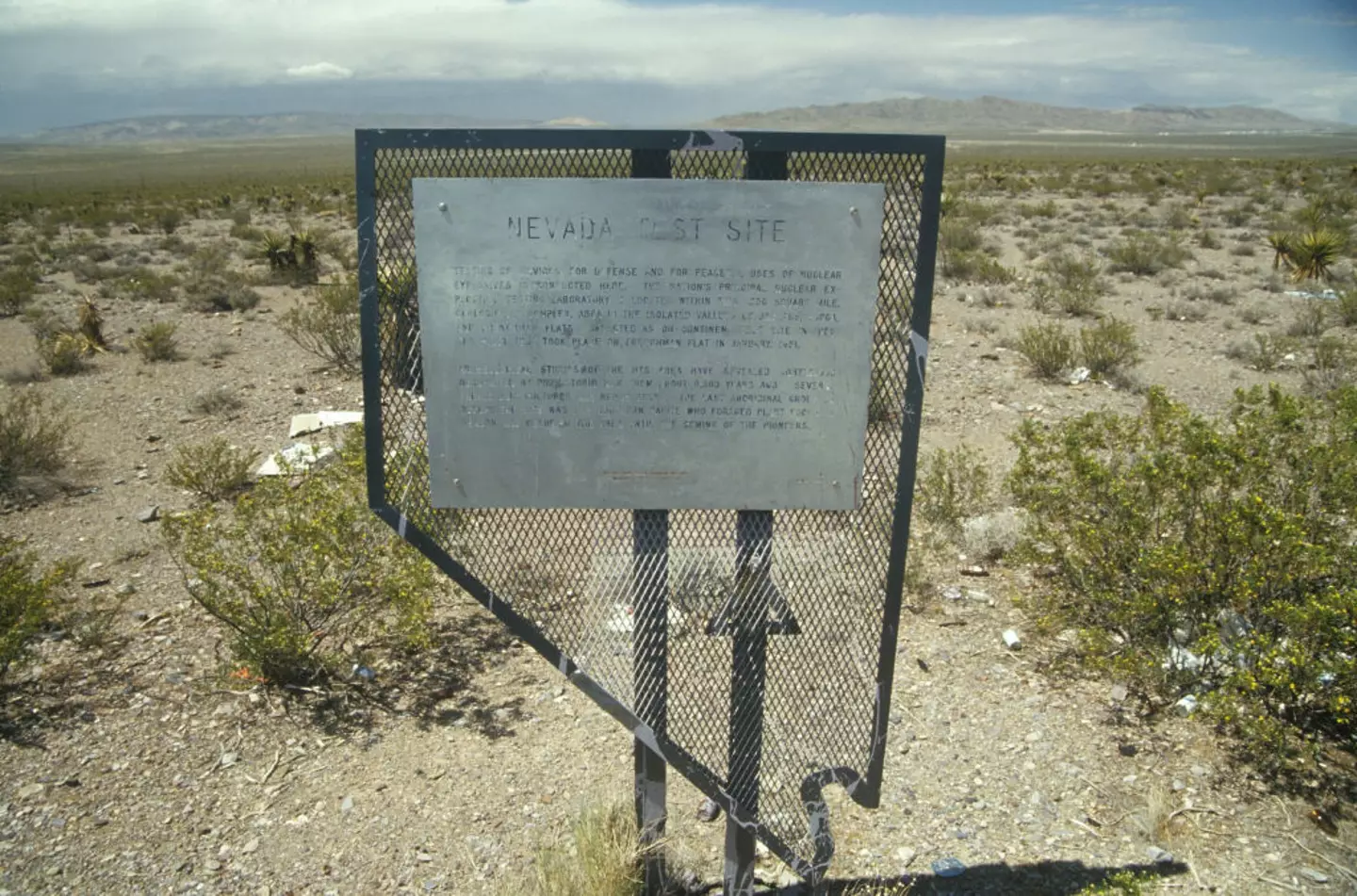
On the practical side, the notion of “immediate” testing is a misnomer. The primary U.S. nuclear test site in Nevada has been in a state of caretaker status for years. Experts estimate that it would take more than two years to prepare the infrastructure and personnel for a single, contained underground test. This timeline involves navigating a web of environmental regulations, securing funding from Congress, and overcoming potential legal challenges, making any quick demonstration of capability impossible.
The announcement, therefore, may be as much a political signal as a concrete policy. It communicates a stance of maximum strength to international rivals and a certain constituency at home. Yet, the gap between the declaration and its implementation reveals the deep complexities of nuclear policy. The coming months will show whether this directive evolves into a tangible program or remains a powerful but symbolic gesture in a high-stakes game of geopolitical brinksmanship.