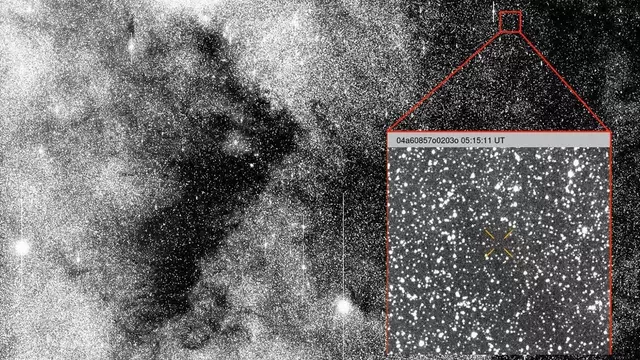
A fast-moving object from deep space is prompting both scientific curiosity and speculative theories as it makes a close pass by the Sun. The interstellar object, named 3I/ATLAS, is being closely watched by astronomers, including Harvard physicist Avi Loeb, who has publicly discussed the possibility that it could be an “alien mothership.”
Discovered this summer, 3I/ATLAS is on a trajectory that brings it near the Sun on October 29. Professor Loeb explained that this close encounter, known as perihelion, will subject the object to extreme heat. He suggests that if it is a natural comet, it may break apart under the stress. However, in a blog post that has captured public imagination, Loeb also outlined an alternative scenario: if the object is artificial, it might instead maneuver or release smaller “mini-probes.”
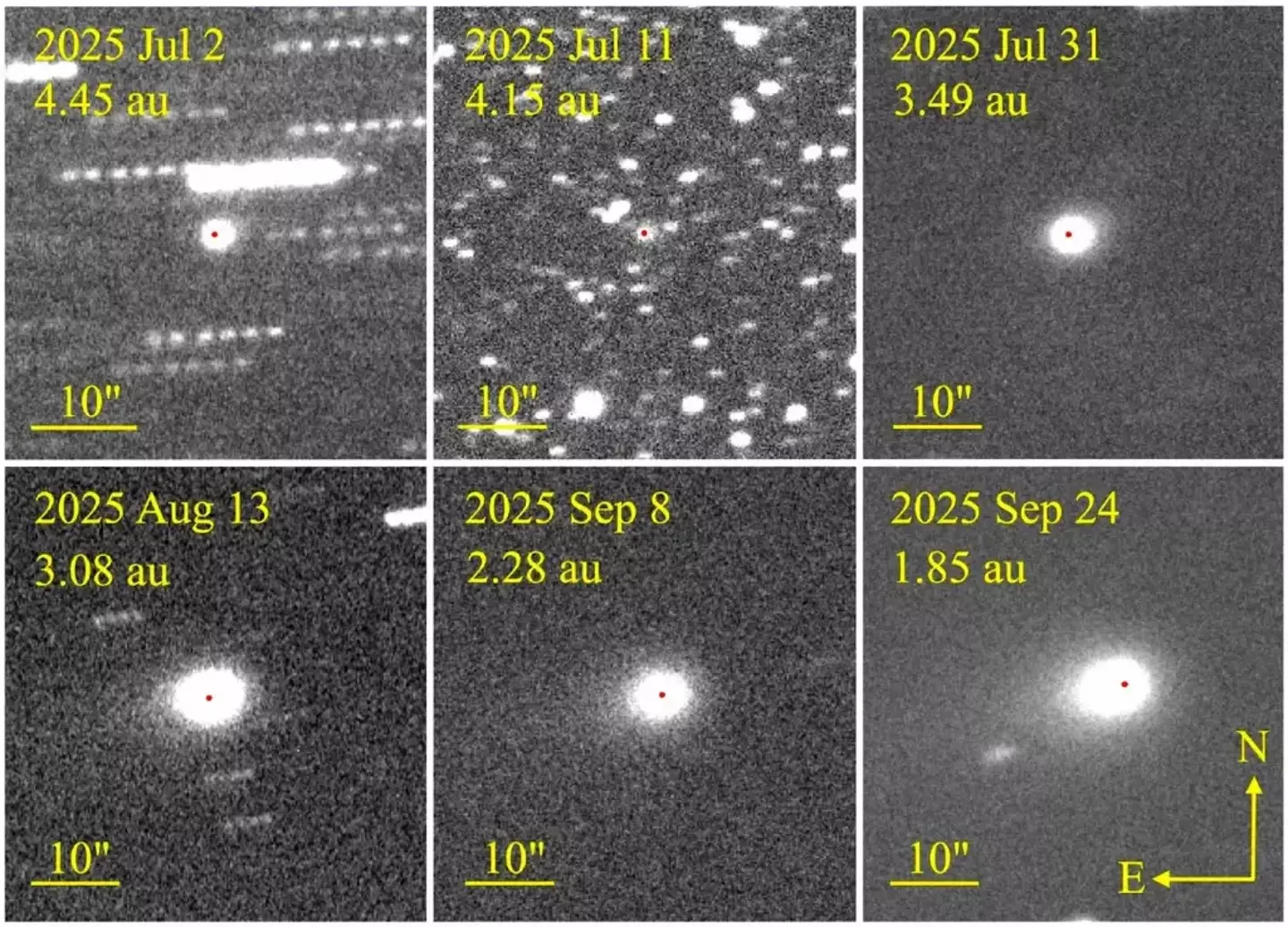
The object is expected to make its closest approach to Earth in December, and Loeb has asked his research team to check for any unusual activity in Earth’s atmosphere around that time. While the scientist’s theories are controversial, they stem from a legitimate scientific pursuit: the search for technosignatures, or evidence of technology, from beyond Earth.

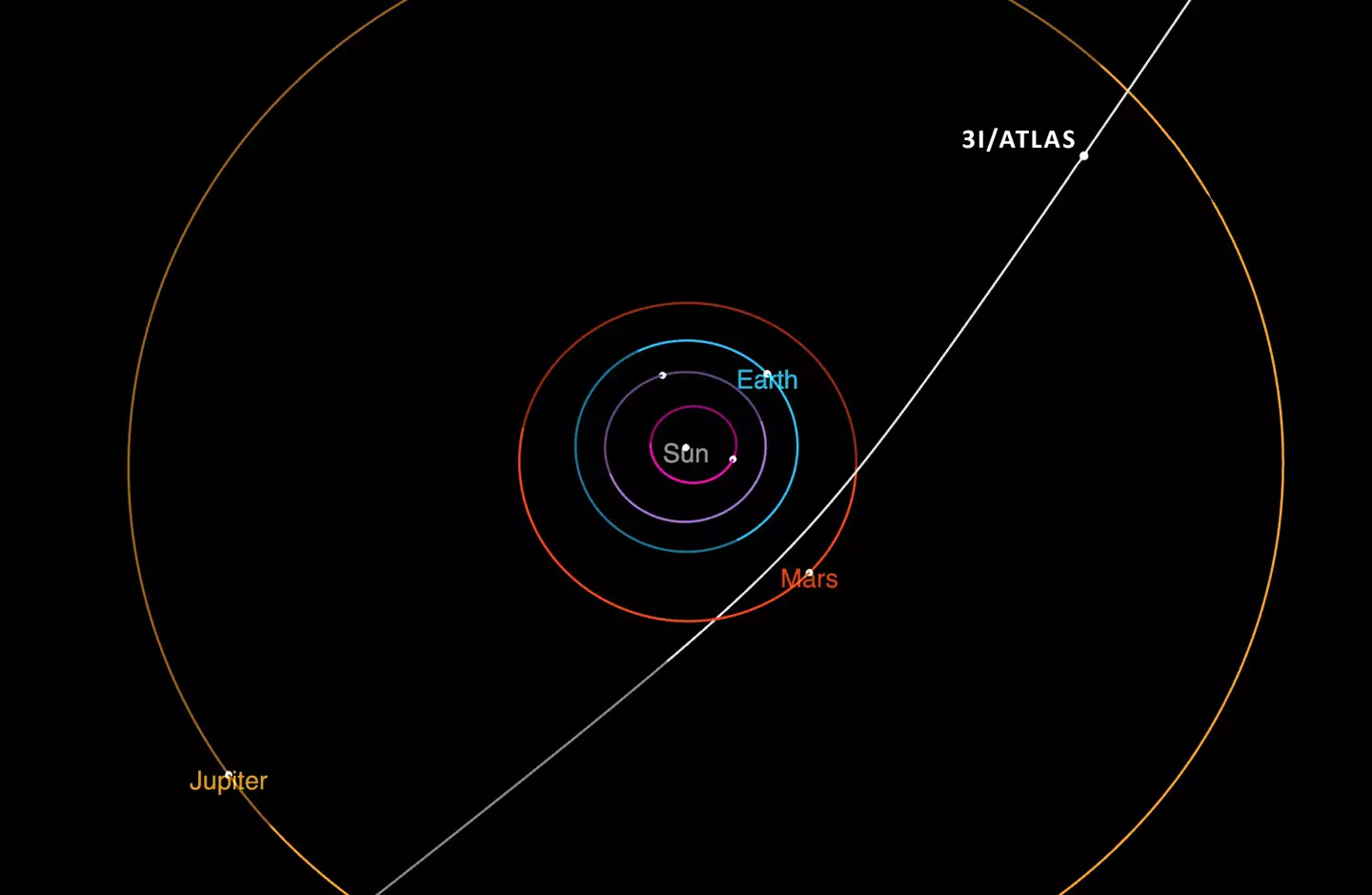
Major space agencies like NASA have stated that 3I/ATLAS is a comet and poses no threat. Despite this, the combination of Loeb’s high-profile speculation and the object’s dramatic timeline—passing the Sun near Halloween and Earth near Christmas—has ignited a wave of public interest. The coming months of observation will be crucial in determining whether this interstellar visitor is a simple piece of cosmic rock or something that challenges our understanding of the universe.