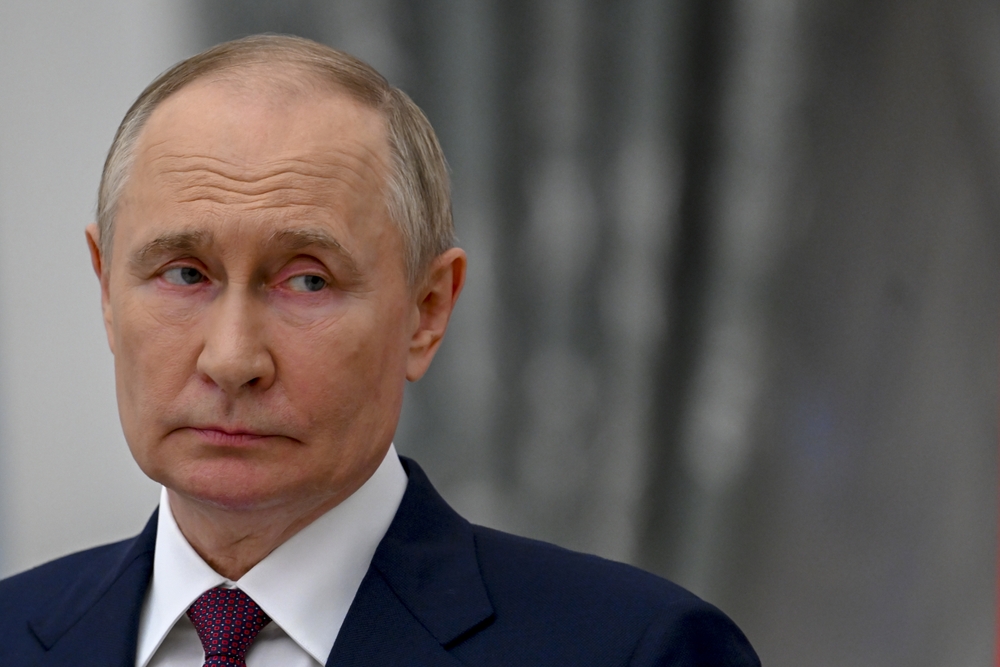
Vladimir Putin’s announcement of a successful test for a nuclear-powered cruise missile represents a significant moment in strategic weapons development, prompting a response that reveals key aspects of the U.S. defense posture. Dubbed a “flying Chernobyl” by some analysts due to its propulsion system, the Burevestnik missile’s purported unlimited range presents a potential new challenge to existing missile defense architectures.
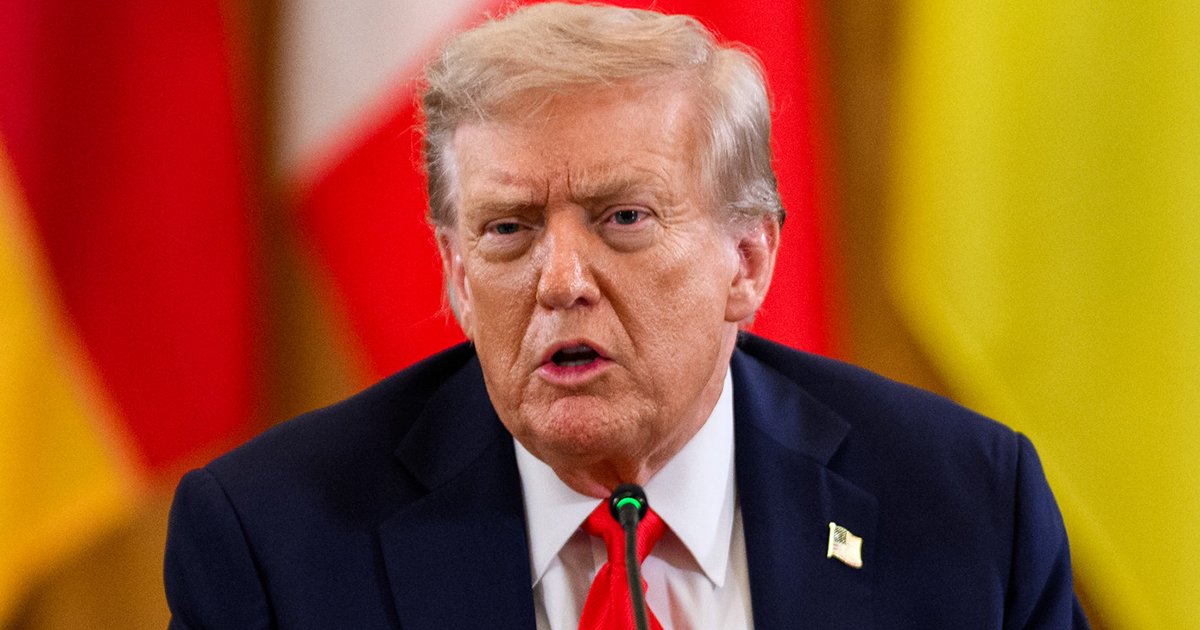
Former President Donald Trump’s public response to this development was a classic demonstration of strategic messaging. Rather than engaging in technical comparisons, he emphasized a different component of the U.S. nuclear triad: the ballistic missile submarine (SSBN). His remark that “we don’t need to go 8,000 miles” underscores a fundamental principle of U.S. nuclear doctrine—assured second-strike capability. By hinting at a submarine “right off their shore,” Trump highlighted that U.S. strategic deterrence does not rely on long-flight-time cruise missiles but on the near-instantaneous threat posed by submarines on patrol.
The reference to a specific platform, even vaguely, serves to remind adversaries that U.S. capabilities are both advanced and persistently present. This aligns with a deterrence theory that values the credibility of a threat over public displays of new technology. The U.S. response suggests a calculation that its existing submarine-launched ballistic missiles (SLBMs) remain a more reliable and survivable deterrent than a experimental, nuclear-powered cruise missile.
Furthermore, Trump’s pivot to the war in Ukraine can be interpreted as an attempt to question the utility of the weapon. By labeling the conflict a failure of Russian strategy, the response implicitly frames the missile test as a costly distraction from more immediate security problems. This positions the new weapon as a symbol of misplaced priorities rather than a game-changing asset, a narrative aimed at diminishing its psychological impact on the global stage.