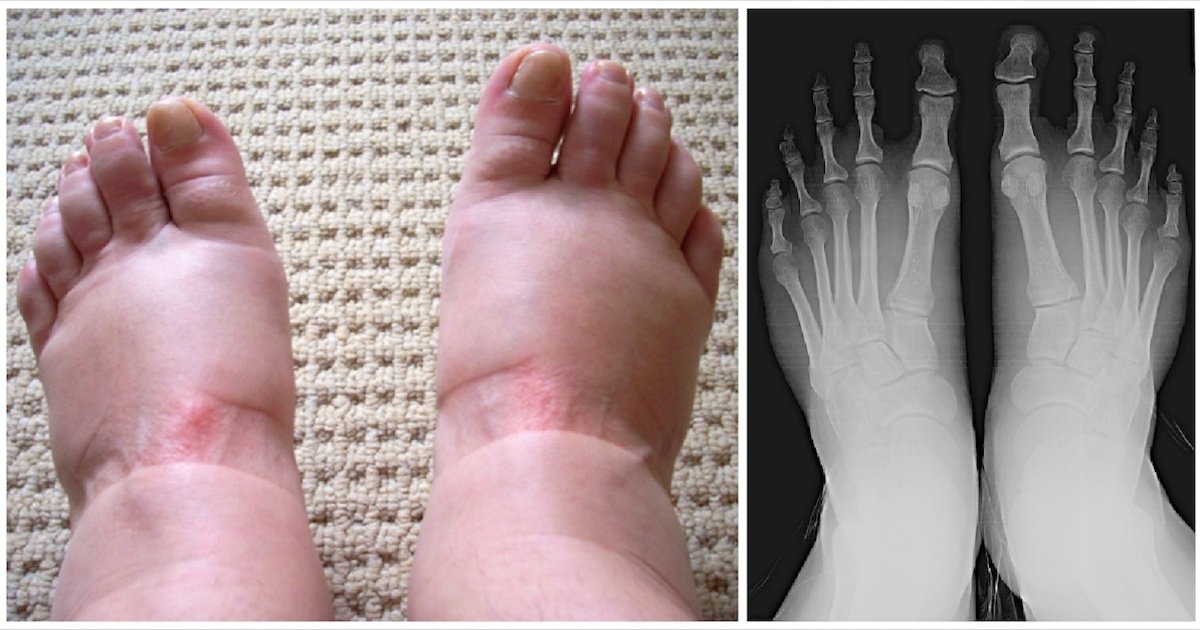
Medically referred to as edema, swelling in the hands and feet is a common symptom with a wide range of potential causes, from benign to serious. Understanding the specific characteristics and accompanying signs can help you better communicate with your healthcare provider. Here is a detailed look at some of the key medical conditions associated with this symptom.
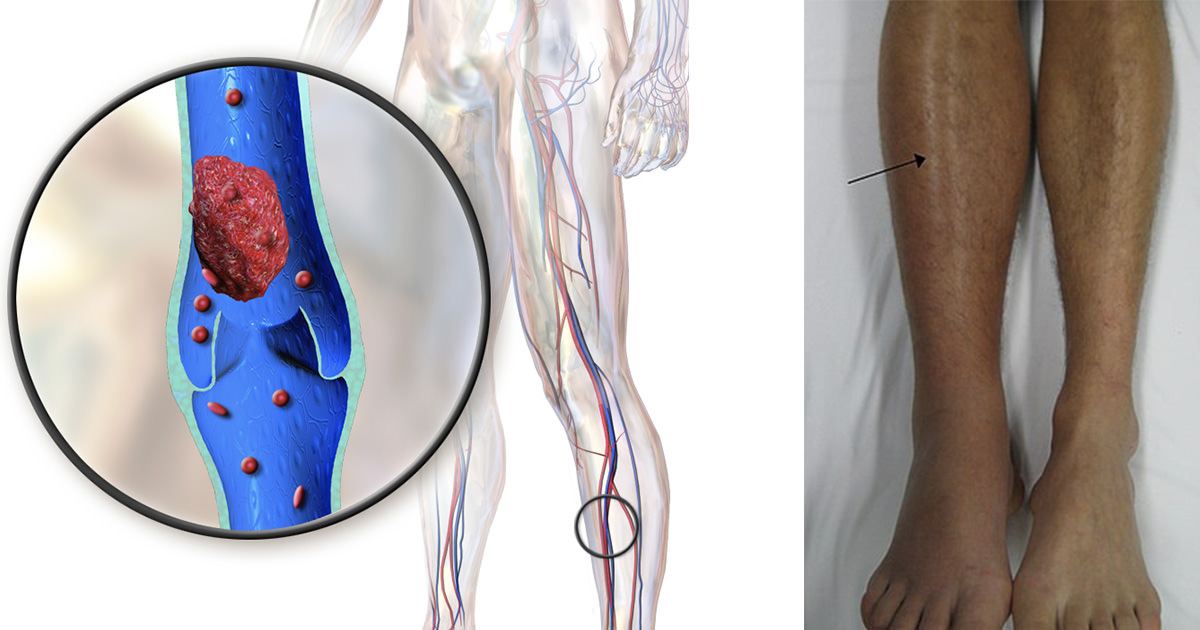
Vascular and Circulatory Causes:
-
Deep Vein Thrombosis (DVT): This is characterized by the formation of a blood clot in a deep vein, typically in one leg. The swelling is often unilateral (affecting one limb) and may be accompanied by pain, a feeling of heaviness, warmth, or redness. This is a critical condition that requires immediate medical evaluation.
-
Heart Failure: When the heart’s function is impaired, it can lead to systemic fluid retention. This often causes bilateral (both sides) swelling in the legs, ankles, and feet, which may worsen as the day progresses.
-
Lymphedema: This results from a blockage in the lymphatic system, preventing proper drainage of lymph fluid. It causes chronic swelling, which can feel firm or heavy, in an arm or leg.
Inflammatory and Arthritic Causes:
-
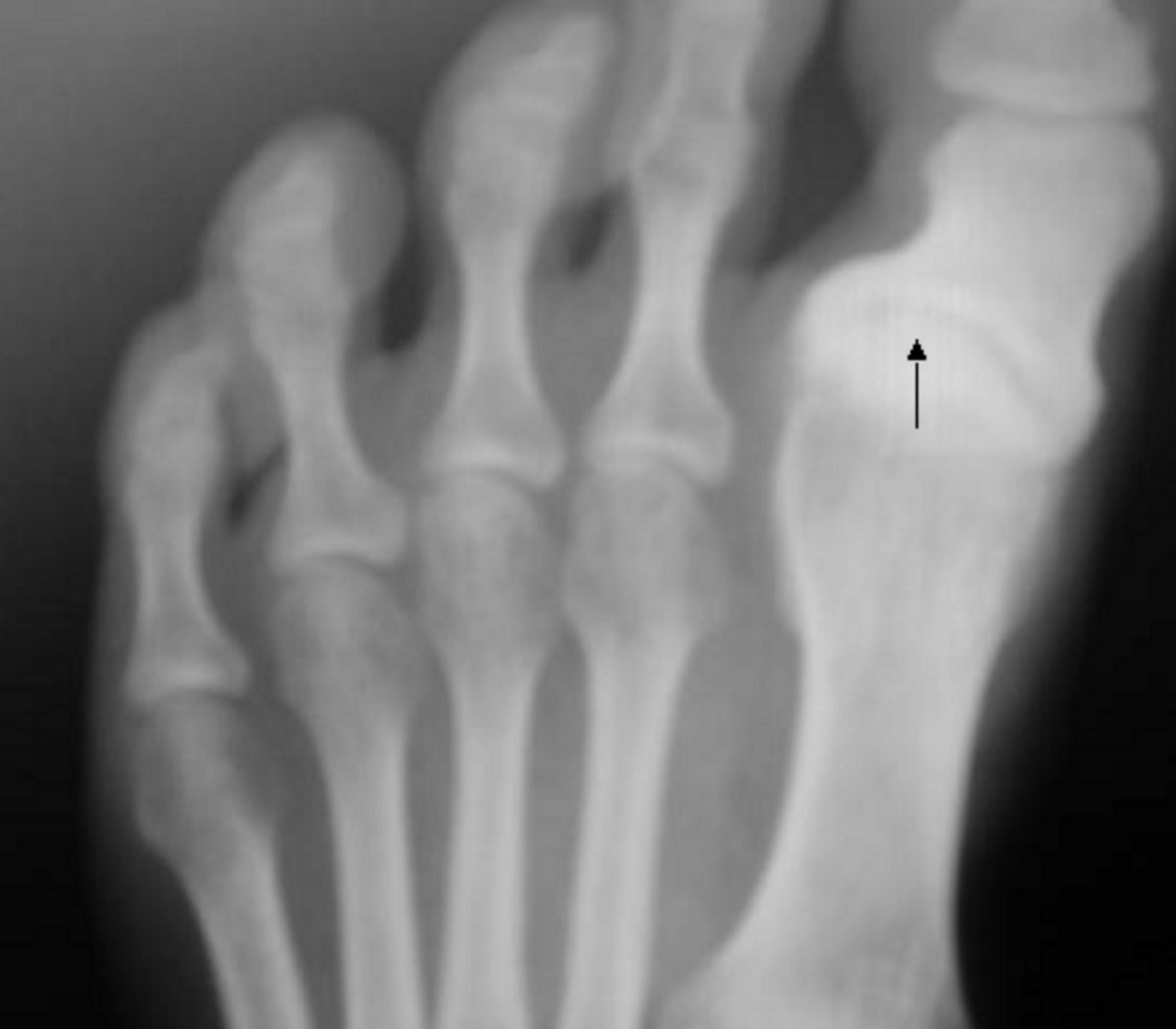
Rheumatoid Arthritis (RA): An autoimmune disorder, RA often causes symmetrical swelling, pain, and stiffness in the joints of the hands and feet, typically worse in the morning.
-
Gout: This form of inflammatory arthritis causes sudden, severe attacks of pain, redness, tenderness, and swelling, often at the base of the big toe.
-
Osteoarthritis: The “wear-and-tear” arthritis can cause localized swelling and tenderness in the affected joints of the hands and feet.
-
Bursitis: Inflammation of the small, fluid-filled sacs (bursae) that cushion bones near joints can cause localized swelling and pain, such as in the heel or big toe.
Infections and Injuries:
-
Cellulitis: A common but serious bacterial skin infection, cellulitis causes a swollen, red, and painful area of skin that feels hot to the touch. It requires prompt antibiotic treatment.
-
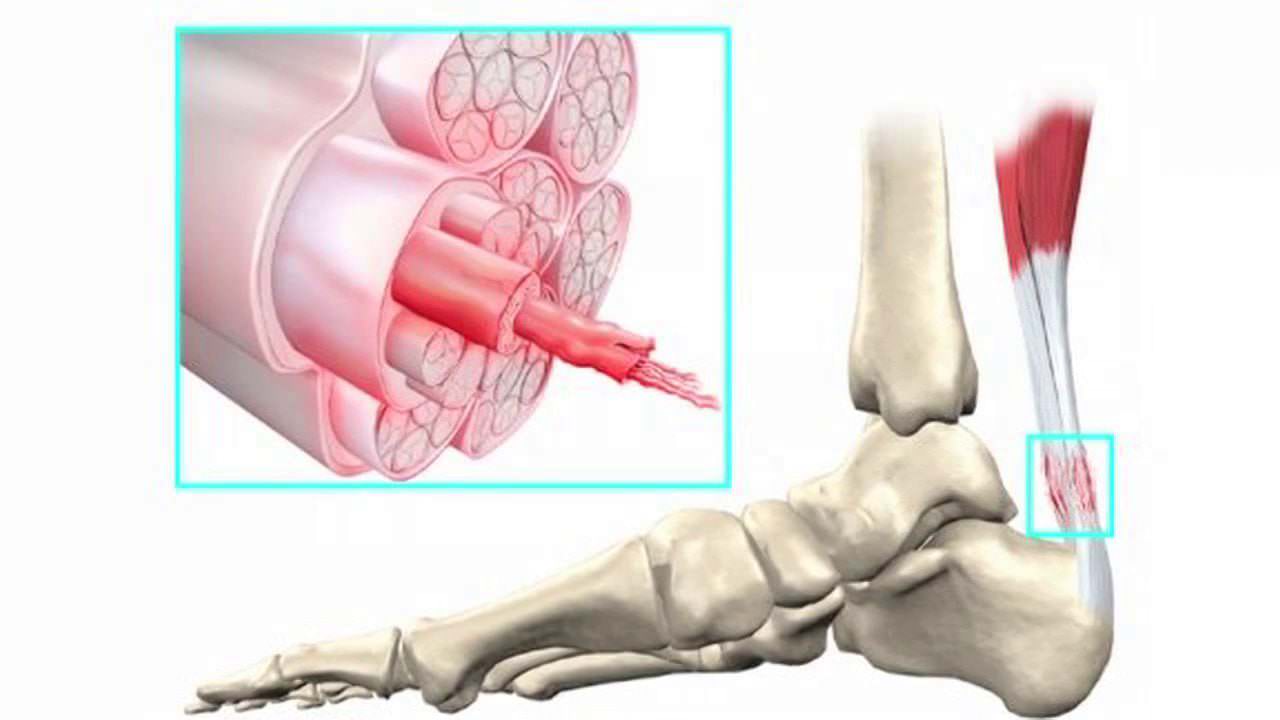
Achilles Tendonitis: Overuse of the Achilles tendon can lead to inflammation, resulting in pain and swelling at the back of the ankle and heel.

If you experience swelling that is sudden, severe, painful, or associated with symptoms like chest pain, difficulty breathing, or confusion, seek emergency care. For persistent, unexplained swelling, a consultation with your doctor is essential for an accurate diagnosis and appropriate treatment plan.