World Space Week 2025 has ignited a fascinating debate about humanity’s future, presenting two starkly different yet compelling narratives. On one side, space association president Dennis Stone outlines a future of interplanetary expansion, while on the other, researcher Ben Davidson warns of an imminent cosmic threat, creating a dramatic tension between humanity’s potential and its peril.
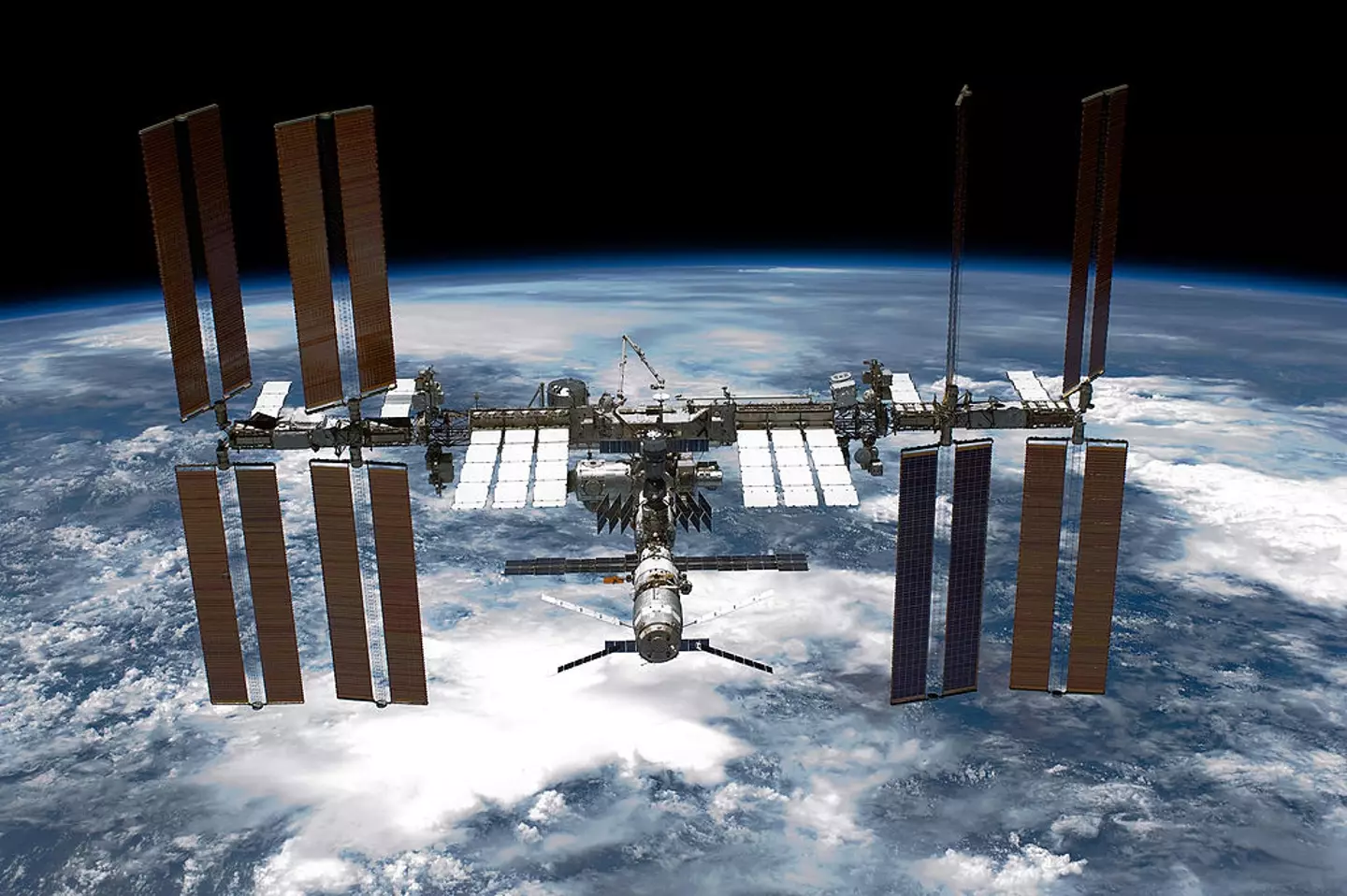
Stone’s vision, aligned with the week’s “Living in Space” theme, is one of progressive colonization. He logically projects from the current presence of ten individuals in low-Earth orbit to a future of bustling private space stations, lunar bases, and Martian settlements. This expansion is framed as an inevitable outcome of technological progress and the tangible benefits of microgravity research, positioning space as the next logical frontier for human economic and scientific activity.
Contrasting this optimistic expansionist view is the cautionary theory presented by Ben Davidson of Space Weather News. Davidson posits that Earth is currently in the midst of a 6,000-year cyclical event known as a micronova—a sudden, powerful solar explosion driven by a rapid magnetic pole shift. He describes this as a “near extinction-level event,” citing a 15 percent weakening of Earth’s magnetic field since the 19th century as primary evidence.
Davidson supports his claim by pointing to a significant increase in low-latitude auroras, which he interprets as a symptom of a compromised planetary magnetic shield. He argues that the solar activity required to produce these auroras today is far less intense than in the past, indicating a fundamental and dangerous shift in the Earth-sun relationship. For Davidson, the data suggests a shield that is failing, not a frontier that is opening.
These two perspectives, while divergent, are not necessarily mutually exclusive. In fact, they could be seen as two sides of the same coin. The very cosmic threats that Davidson highlights could serve as a powerful justification for the off-world colonization that Stone advocates. Together, they paint a complex picture of the 21st century: a race between humanity’s growing capability to become a multi-planetary species and the unfolding of natural cosmic cycles that could test our resilience on our home planet.