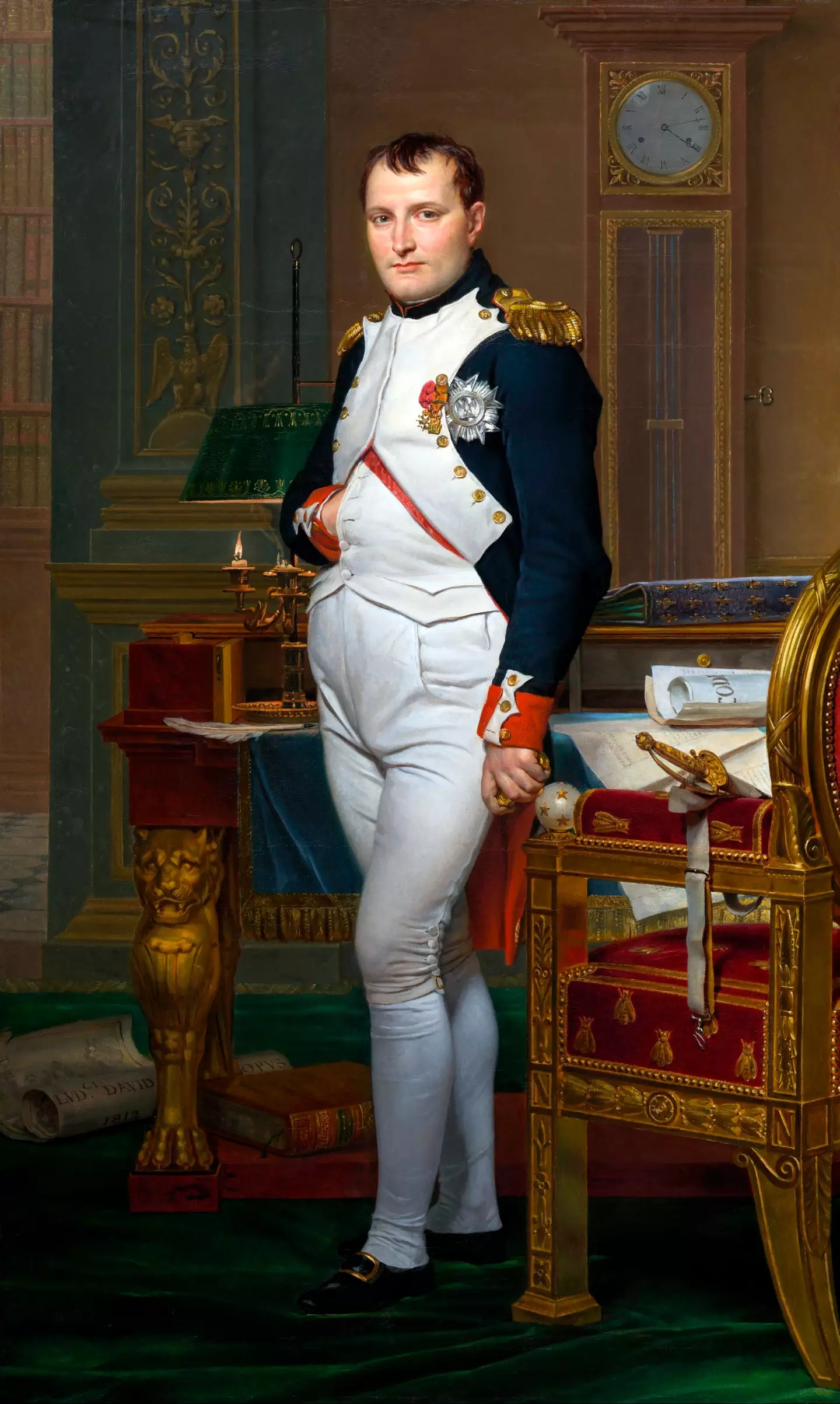
What if much of what you learned in history class was wrong? Not in a revolutionary, rewriting-the-timeline way, but in the small, persistent details that have become accepted as fact. Historical myths are tenacious, often outliving the efforts of scholars to correct them. They become embedded in our culture through film, literature, and word-of-mouth, creating a version of the past that is more legend than reality. It’s time to set the record straight on five historical “facts” that have been proven false, but that people still cling to out of habit and familiarity.
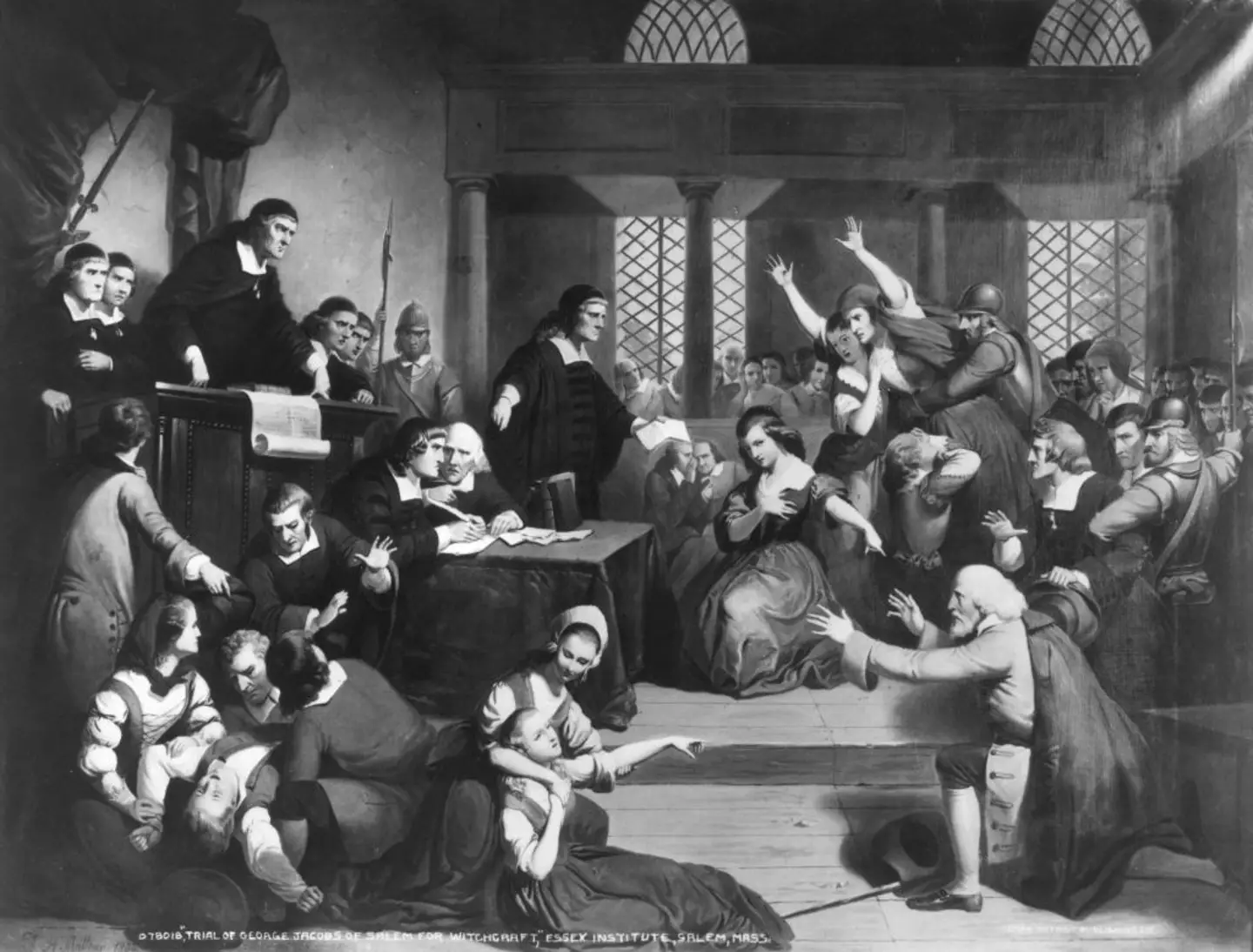
Consider the Salem Witch Trials. When we imagine the fate of those convicted, the image that often comes to mind is of flames consuming a stake. This is a classic case of conflating European practices with American history. While burning was a common execution method for witches in medieval Europe, it was not the practice in colonial Massachusetts. Historical records confirm that the 20 people executed in Salem were hanged. As historian Dr. John Howard Smith clarifies, these hangings were brutal affairs that involved turning the victim off a ladder, leading to death by slow strangulation.
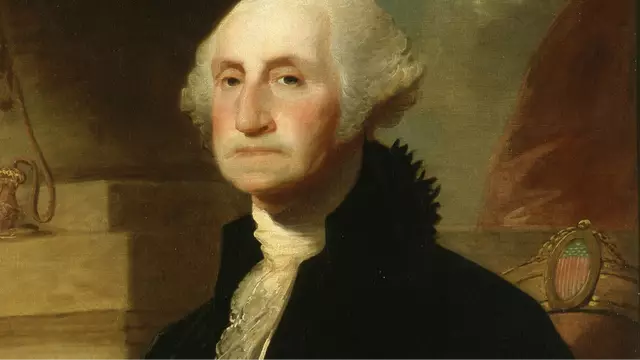
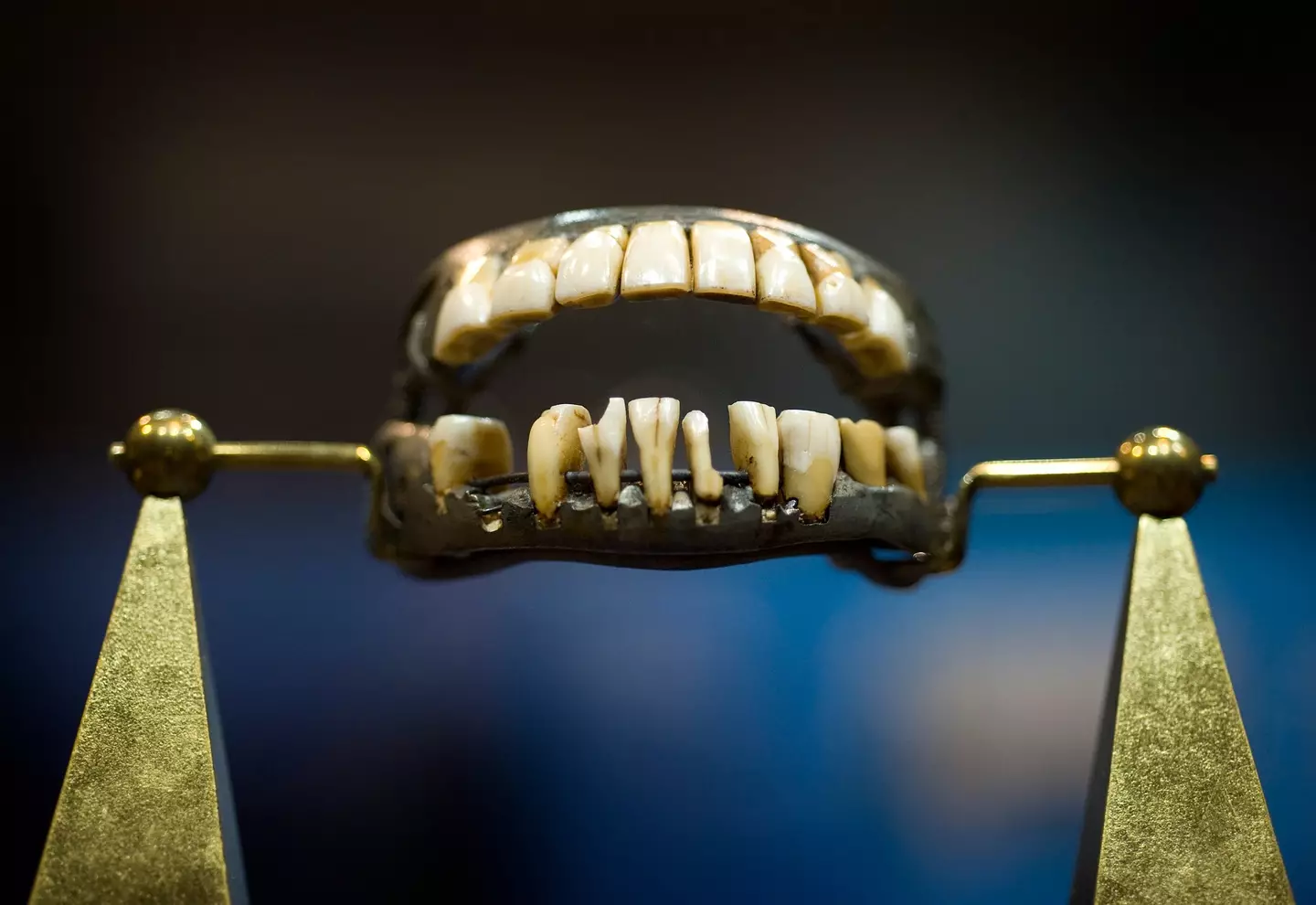
Then there is the curious case of George Washington’s teeth. The myth of his wooden dentures is arguably one of the most successful pieces of misinformation in American history. The George Washington Mount Vernon estate repeatedly informs visitors that this is false. Washington did have severe dental problems and required dentures, but they were sophisticated for their time, constructed from a combination of hippopotamus ivory, gold, lead, and even teeth sourced from enslaved people and animals. The wooden denture story likely emerged as a simplistic and folksy explanation for his often pained-looking expression in portraits.
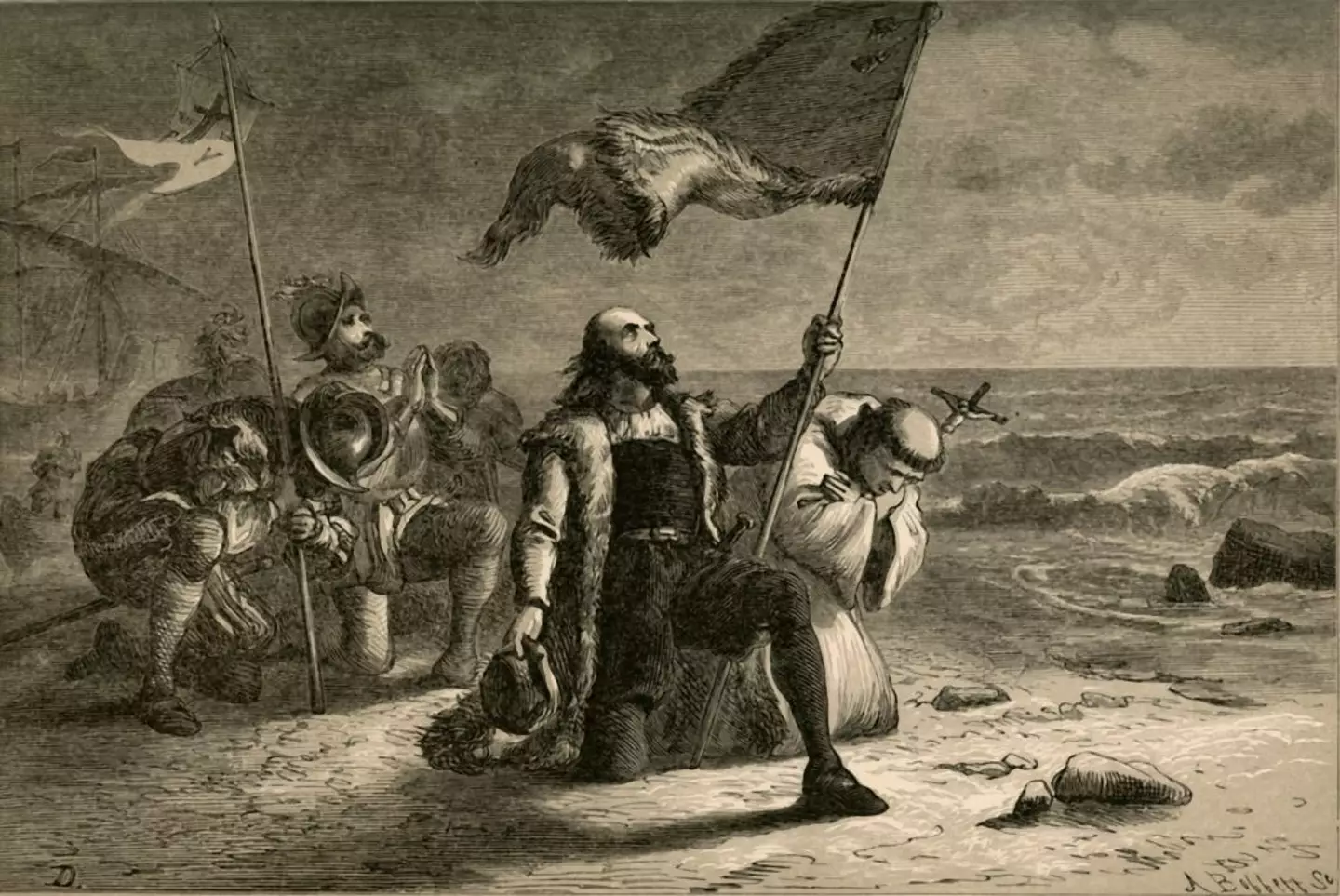
The narrative of European discovery is also ripe for correction. Christopher Columbus is celebrated for discovering America, yet he never set foot on the land that would become the United States. His voyages were confined to the Caribbean and the coast of South America. Furthermore, Leif Erikson and the Vikings had established a settlement in North America around the year 1000 AD, a fact supported by archaeological evidence at L’Anse aux Meadows in Newfoundland. The persistence of the Columbus myth highlights how national identity can prioritize one story over another, even when the evidence points elsewhere.
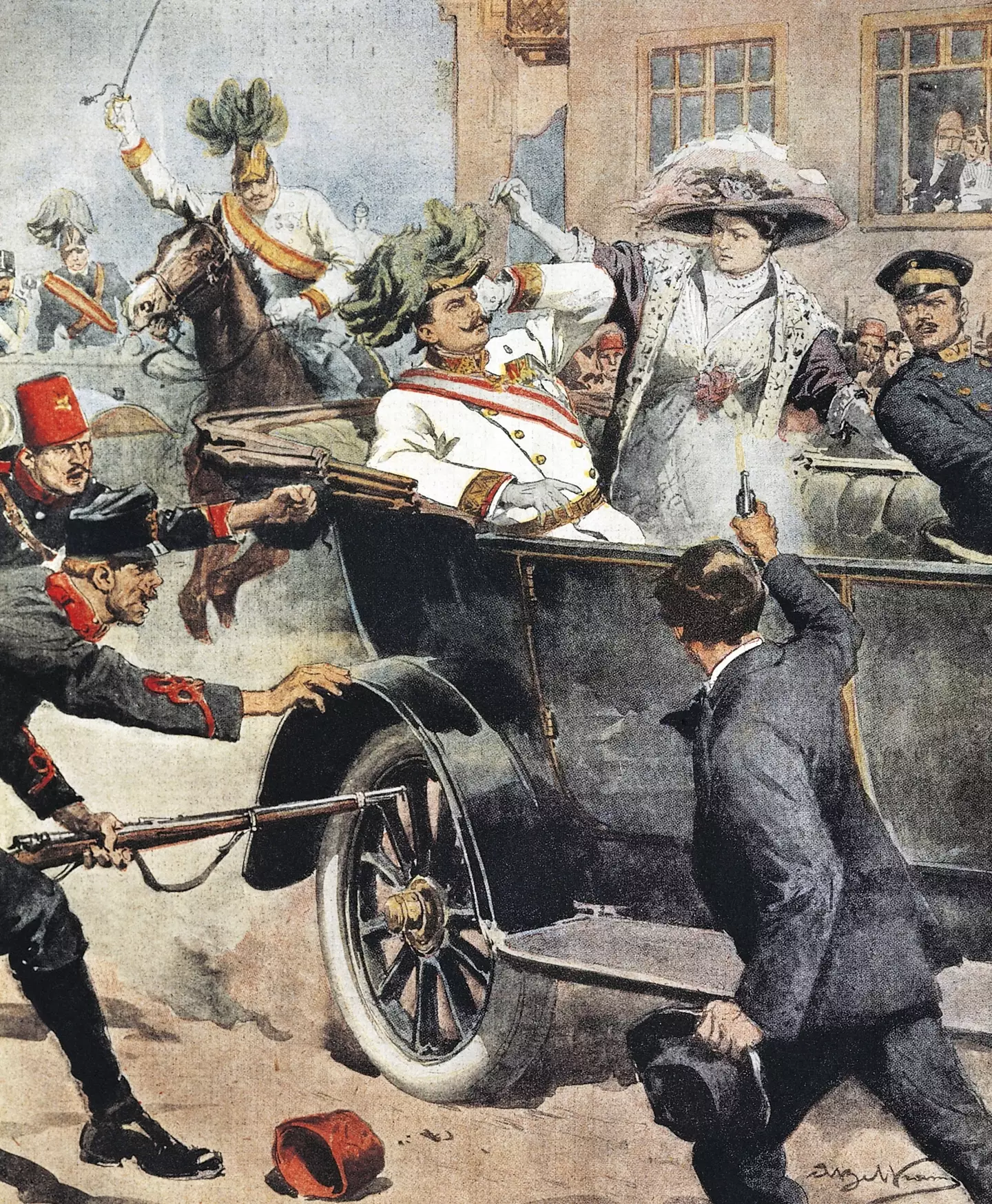
These examples teach us a valuable lesson about the nature of history itself: it is not a fixed set of facts, but an ongoing process of interpretation and re-evaluation. By challenging these myths—from Napoleon’s height to Princip’s sandwich—we do more than just correct details; we engage in a more honest and nuanced understanding of our past, freeing it from the simplifications and propaganda that have shaped it for too long.