A complex legal claim by Donald Trump has sparked a national conversation about ethics, integrity, and the boundaries of presidential power. The former president is seeking hundreds of millions of dollars from the Justice Department, the very department he oversees, for investigations he alleges violated his rights. This has created the surreal scenario where Trump would be responsible for deciding whether to pay himself a vast sum of taxpayer money. The situation has not only drawn scrutiny from legal analysts but has also prompted commentary from public figures like actor Ethan Hawke, whose remarks then generated a reaction of their own.
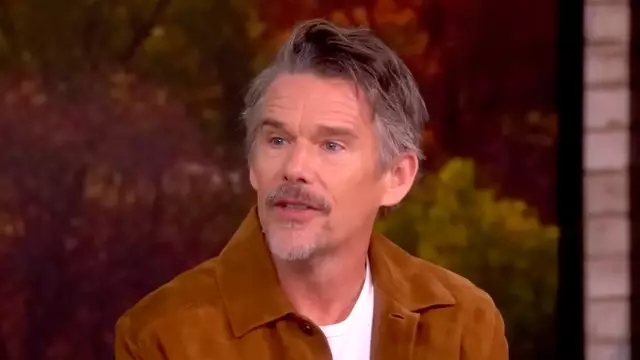
Hawke, while appearing on a popular talk show, used the moment to draw a historical comparison. He reminded viewers of President Jimmy Carter’s decision to relinquish control of his family’s peanut farm to prevent any conflict of interest, labeling that act as one of integrity. In contrast, Hawke stated that the current president’s actions were “starting to show the lack of it.” This critique, while direct, was perceived by many members of the public as being too mild for the circumstances.
The word “starting” became a flashpoint for online discussion. Critics quickly latched onto the term, arguing that it represented a dramatic understatement of Trump’s long-standing record. Comments on social media platforms expressed a collective sense of disbelief, with one user simply posting “Starting?!?!?” to convey their astonishment. Another commenter suggested that the lack of integrity has been evident for decades, making Hawke’s observation seem late to the party. This public amplification of a single word highlights the intense polarization and heightened sensitivity surrounding the president’s actions.
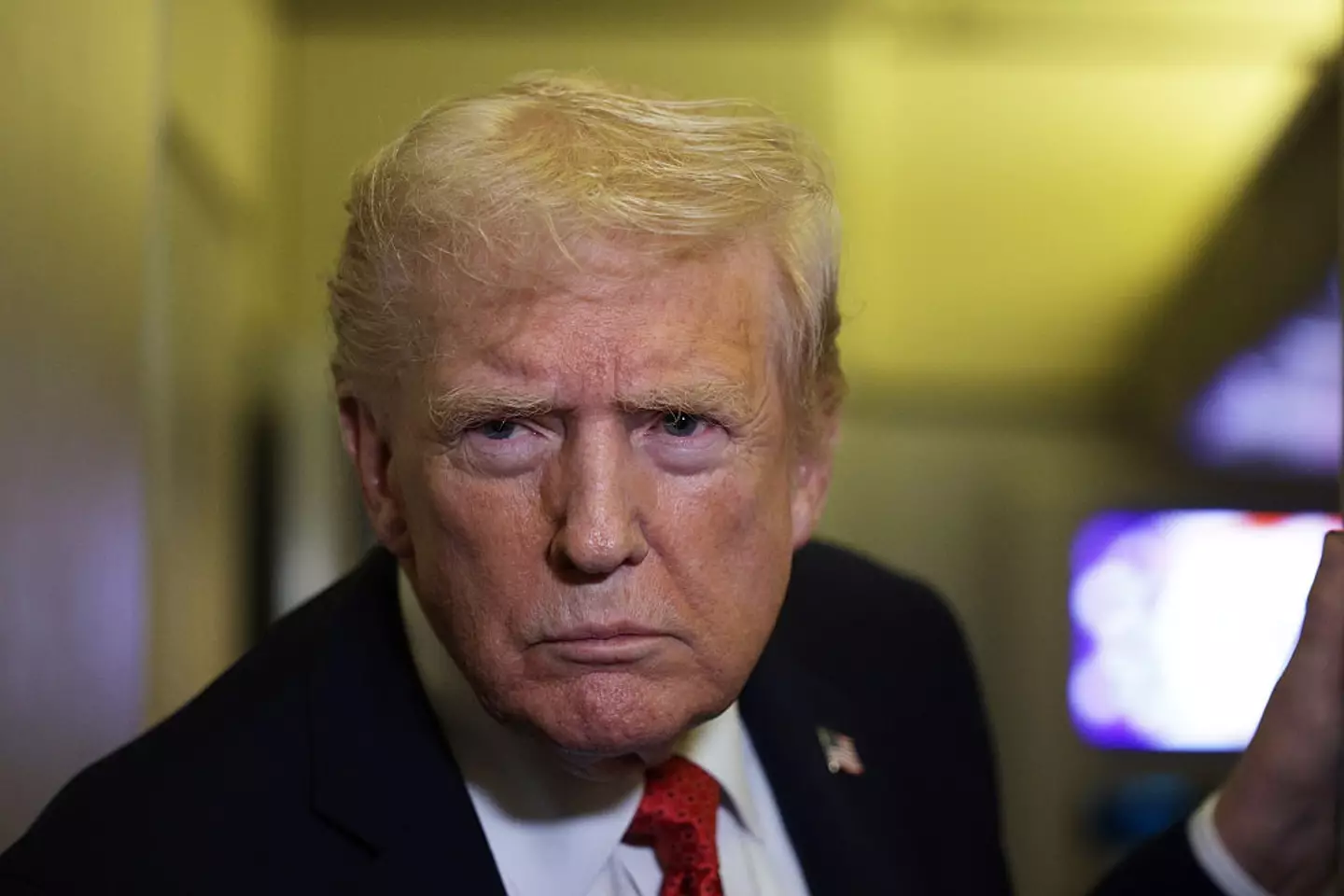
Trump himself has not shied away from the strange nature of the claim. He publicly acknowledged the paradox, stating, “I’m suing myself,” and admitted he didn’t know what to do with such a lawsuit. He has attempted to deflect concerns about personal enrichment by suggesting the money would be donated to charity or used for official purposes, but this has done little to quell the ethical concerns. The core issue remains the unprecedented conflict of a president being in a position to authorize a government payout to himself.
Ethics professor Bennett L. Gershman crystallized the problem, pointing out that the attorneys who would judge the claim are Trump’s own appointees. This structure, where “people who serve him” decide the case’s outcome, makes the situation “bizarre and almost too outlandish to believe.” The story, therefore, operates on two levels: the legal and ethical puzzle of the claim itself, and the public meta-conversation about how to describe and critique the behavior of those in the highest office.