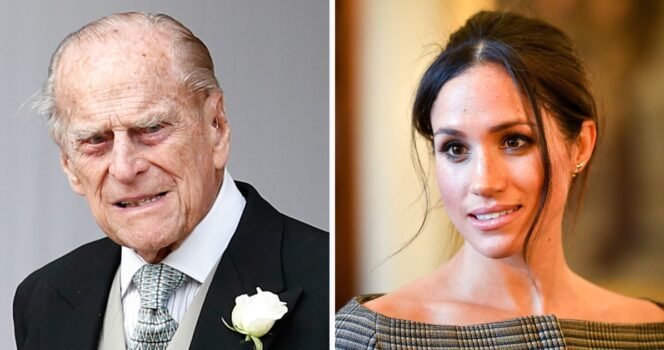
The late Prince Philip was often celebrated for his sharp and unfiltered perspective, a trait that extended to his private judgments of those who entered the royal fold. According to those who study the family’s inner workings, the Duke of Edinburgh developed a specific and telling view of Meghan Markle, one rooted in his profound understanding of royal history and his instinct to protect the monarchy.
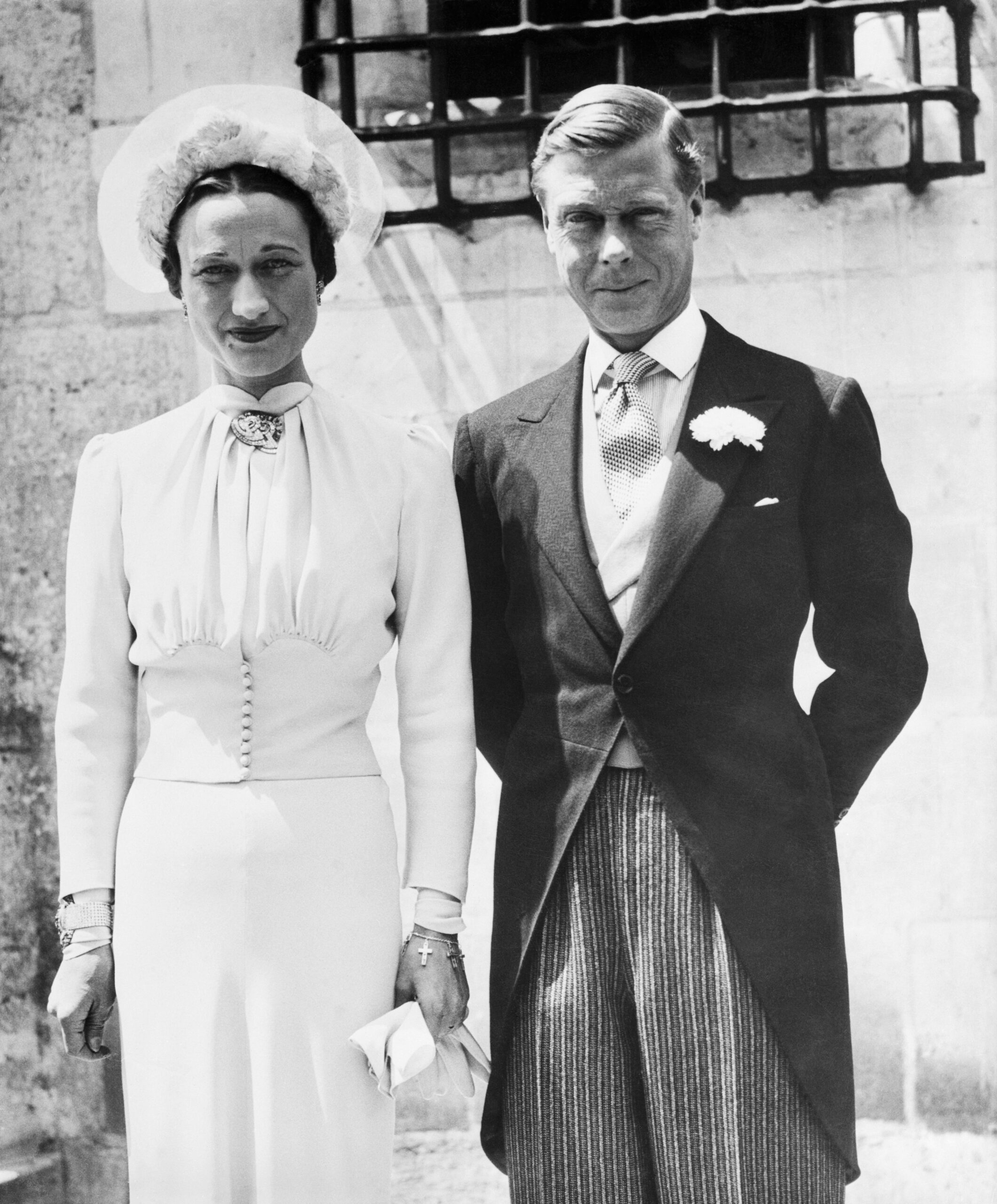
This view was crystallized in a private nickname that drew a direct line to Wallis Simpson. The story of Simpson and King Edward VIII is the stuff of royal legend, a scandal that reshaped the line of succession and forced the monarchy to confront modern pressures. Edward’s choice to abdicate for love created a wound that took generations to heal, and the subsequent behavior of the exiled couple only deepened the family’s sense of betrayal.
Biographer Ingrid Seward, in her research, found that Prince Philip was “very canny about people.” He observed Prince Harry’s relationship with Meghan and saw a troubling reflection of the past. The parallels—an American divorcée captivating a senior royal—were too stark for him to ignore. Where others might have seen a modern love story, Philip saw a potential rerun of a constitutional and familial disaster.
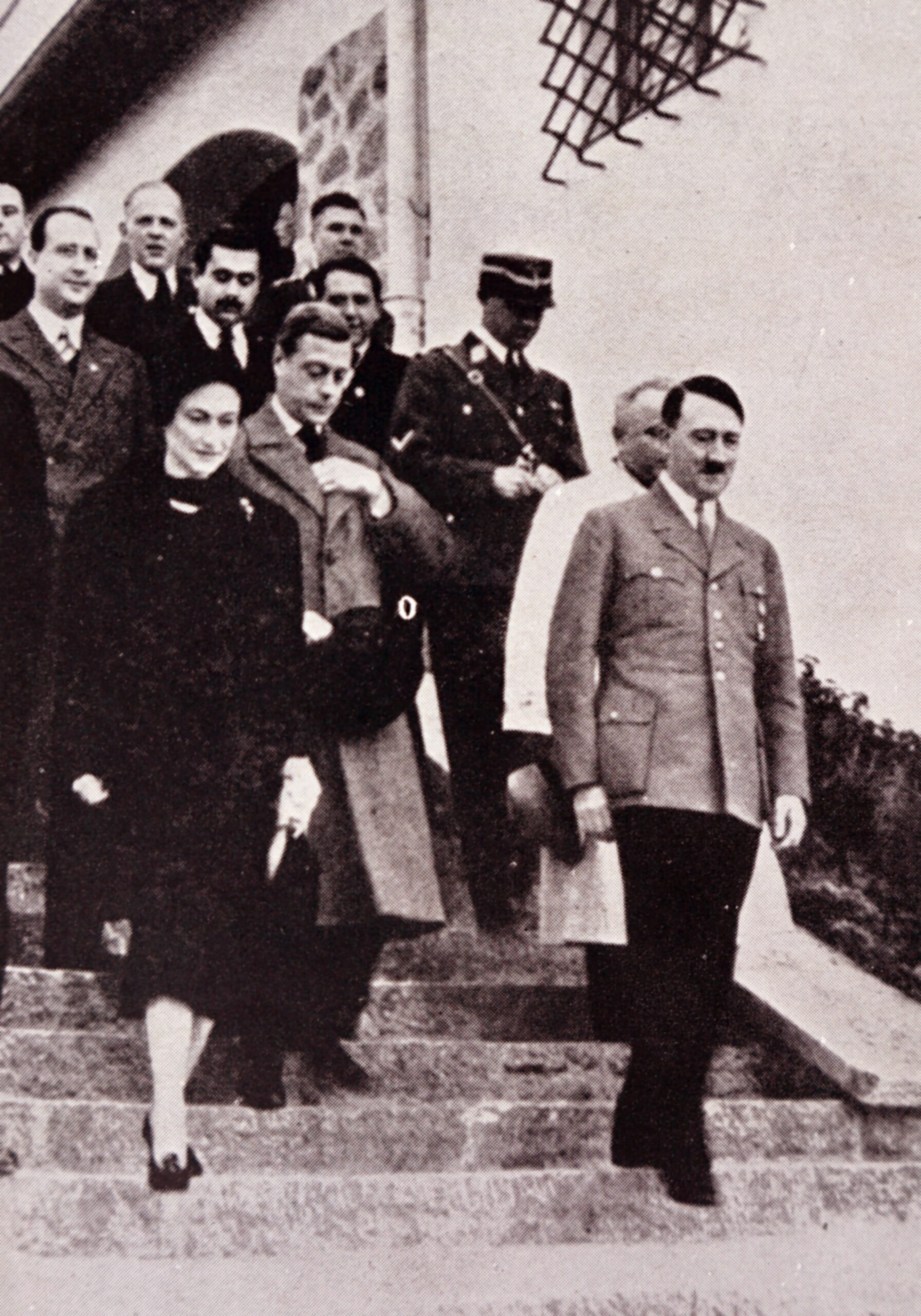
His chosen nickname for Meghan, “DOW” for Duchess of Windsor, was his discreet way of labeling the perceived threat. It was a term used in private, never to her face, but it perfectly encapsulated his core concern: that Meghan’s influence could lead Harry down a path of alienation from the institution that defined his life. For a man of Philip’s generation and experience, this was the ultimate risk.


This cautious stance existed alongside the more hopeful view of Queen Elizabeth II, creating a dichotomy at the highest level of the family. The Queen was said to have had “high hopes,” suggesting a belief that the situation could be managed and integrated. The eventual outcome—Harry and Meghan’s departure for North America—suggests that the dynamics Prince Philip feared ultimately proved too powerful, fulfilling the historical parallel he had quietly identified from the start.