
We meticulously plan our meals around fresh vegetables, lean proteins, and whole grains, believing we are making the best choices for our health. However, emerging research suggests a critical piece of the puzzle is often overlooked: the cooking process itself. The techniques that deliver the most mouthwatering results—the perfect grill marks, the crispy skin, the rich, roasted colors—might be introducing compounds into our food that work against our long-term wellness and vitality.
The science centers on a group of compounds known as advanced glycation end products, or AGEs. These are not ingredients but are formed naturally in food through high-heat cooking methods. The process, called the Maillard reaction, is what gives grilled meat and baked goods their characteristic flavor and appearance. While they make food more palatable, dietary AGEs are now understood to be pro-inflammatory. When we eat them, they contribute to the body’s overall burden of these compounds, which can lead to cellular damage over time.
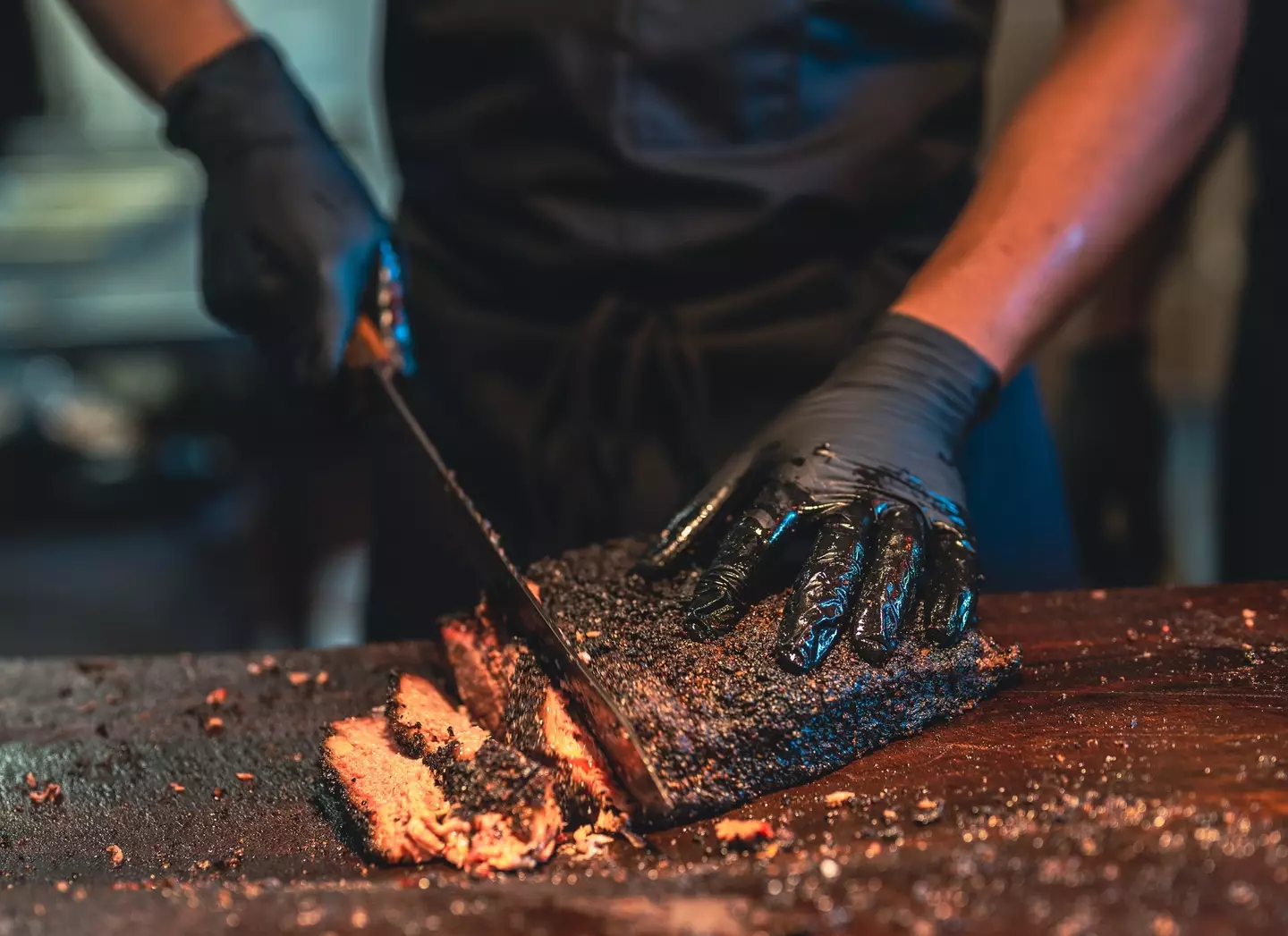
The consequences of a diet consistently high in AGEs are far from trivial. Experts link them to a heightened state of inflammation and oxidative stress, which are underlying factors in some of the most common chronic diseases. This includes conditions like type 2 diabetes, where AGEs can affect insulin sensitivity, and heart disease, where they contribute to arterial stiffness. The German Institute of Human Nutrition Potsdam-Rehbruecke, among others, has also associated high AGE levels with more severe outcomes, including kidney disease and Alzheimer’s.
The primary sources of dietary AGEs are cooking methods that involve browning and charring. Grilling, frying, and broiling are the most effective ways to create these compounds. The National Cancer Institute has also issued warnings about charred meat specifically, noting its potential link to cancer risk. Particularly risky foods include marbled red meats, poultry with the skin on, and anything cooked with added sugar, such as a barbecue sauce glaze. These elements combine with high heat to create a perfect storm for AGE formation.
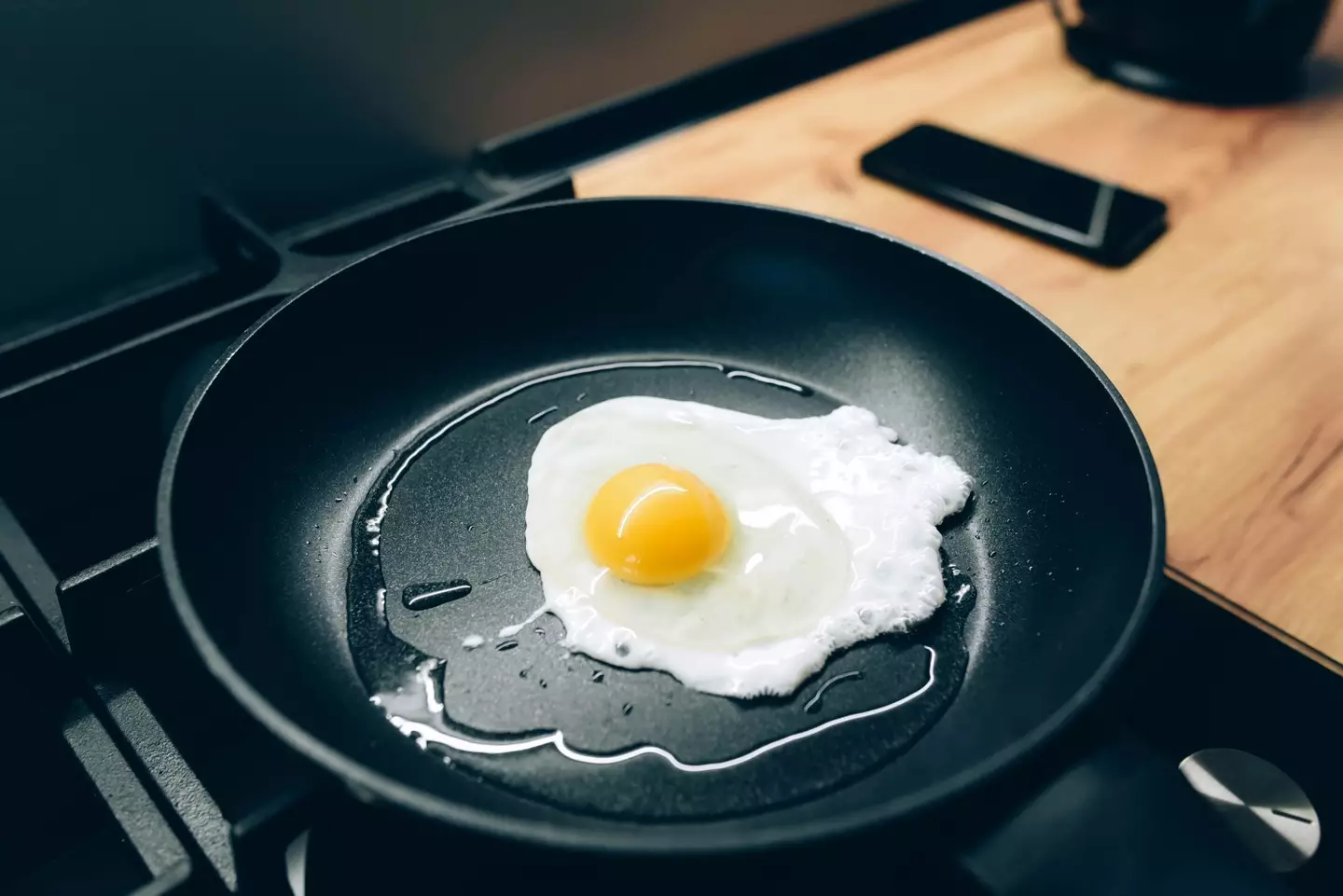
The path to healthier cooking is surprisingly simple. By shifting towards methods that use water and lower temperatures, you can significantly reduce your exposure. Steaming, poaching, boiling, and simmering are not just for dieters; they are powerful tools for preserving the integrity of your food and your health. Studies show that these techniques can slash AGE formation by about fifty percent. If you can’t imagine a summer without grilling, there’s a helpful trick: marinating your meat in an acidic liquid like vinegar or citrus juice for an hour before cooking can reduce AGEs by half, offering a best-of-both-worlds solution for a longer, healthier life.