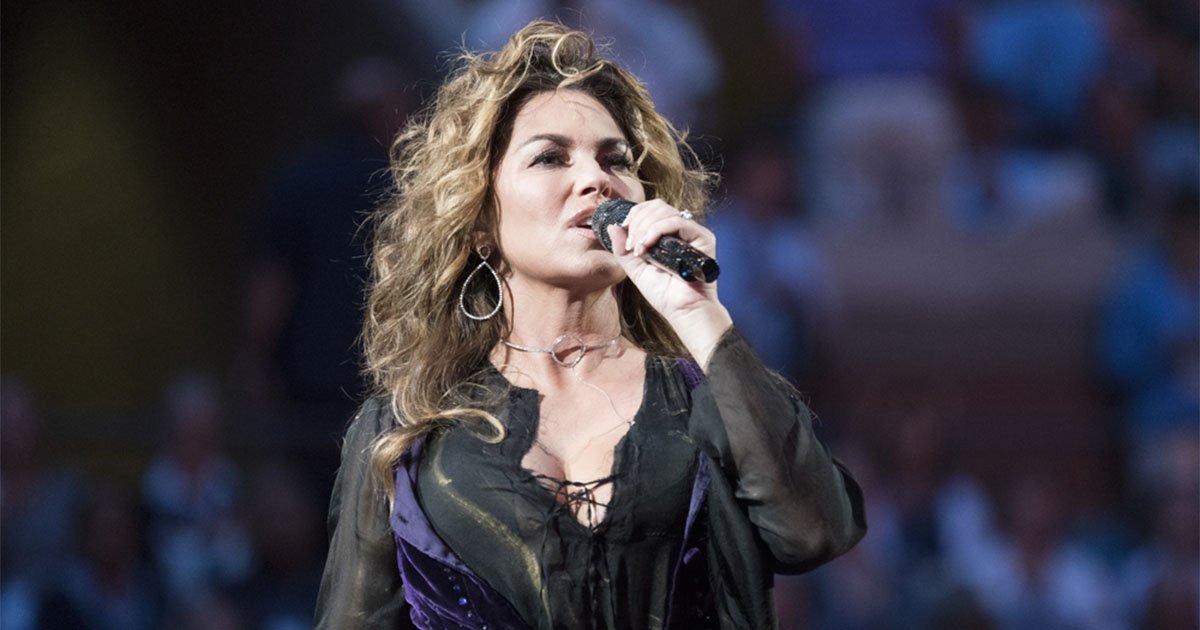
Shania Twain’s status as a country-pop legend is undeniable, but the path to her record-breaking success was paved with a level of struggle that few artists have faced. Her musical journey began not in a recording studio, but as a means of survival in the impoverished and often violent environment of her childhood, shaping the raw, authentic emotion that would later captivate the world.
Twain’s introduction to performance was as unglamorous as it gets. Driven by a desperate need to contribute to her family’s income, she was singing in bars by the age of eight, often performing after midnight to comply with liquor laws. This grueling apprenticeship in local venues, coupled with a day job at McDonald’s, honed her stage presence and work ethic long before she ever saw a record contract. Her guitar sessions alone in the forest were where she cultivated her songwriting voice, using music as an escape from a reality filled with hunger and abuse.

The tragic death of her parents forced her musical career to take a backseat as she became the primary caregiver for her siblings. Her gig at a local resort was not a stepping stone to fame, but a practical job that provided a home for her family. This period of chopping wood and raising children imbued her with a life experience that would later infuse her music with a depth and relatability that pure talent alone cannot create.
When she finally secured her record deal with Mercury Nashville, she was a fully formed artist tempered by life’s hardest lessons. Her partnership with producer Robert “Mutt” Lange was the catalyst that fused her hard-won authenticity with polished, pop-infused country production, creating a sound that revolutionized the genre. However, her career faced a potentially terminal threat when Lyme disease damaged her vocal cords. For many singers, this would have been the end. For Twain, it was another obstacle to master. She underwent surgery and embraced her new, raspier voice, a testament to her adaptability and enduring connection to her art.
Twain’s musical legacy is therefore about more than catchy hooks and sold-out tours. It is the story of a voice that was literally and figuratively forged in fire—a voice that sang through hunger, fear, and betrayal to become one of the most recognizable and beloved in the history of modern music.