A new scientific study has delivered a clear conclusion on a contentious issue, even as government policy moves in a different direction. Research published in JAMA Open, which analyzed data from over half a million infants, found that mRNA COVID-19 vaccines pose no increased risk of birth defects when administered during the first trimester of pregnancy. This finding arrives as the Trump administration is actively rolling back vaccine recommendations, including those for pregnant women.
.jpg)
The extensive study offers robust evidence to inform public health guidance. It concluded that there was no association between first-trimester vaccination and an increased risk for 75 different major congenital malformations. This reinforces the position of many medical experts that the vaccines are a safe and critical tool for protecting a demographic that is particularly vulnerable to severe outcomes from COVID-19 infection.
This scientific consensus stands in stark contrast to the administration’s recent actions. While the White House confirmed that President Trump himself received an updated COVID-19 booster, the broader public health apparatus is distancing itself from proactive vaccine advocacy. The decision to pull back from recommending the vaccine to pregnant women creates a confusing dichotomy for the public, where the leader’s personal health choices and his administration’s policies appear to diverge.
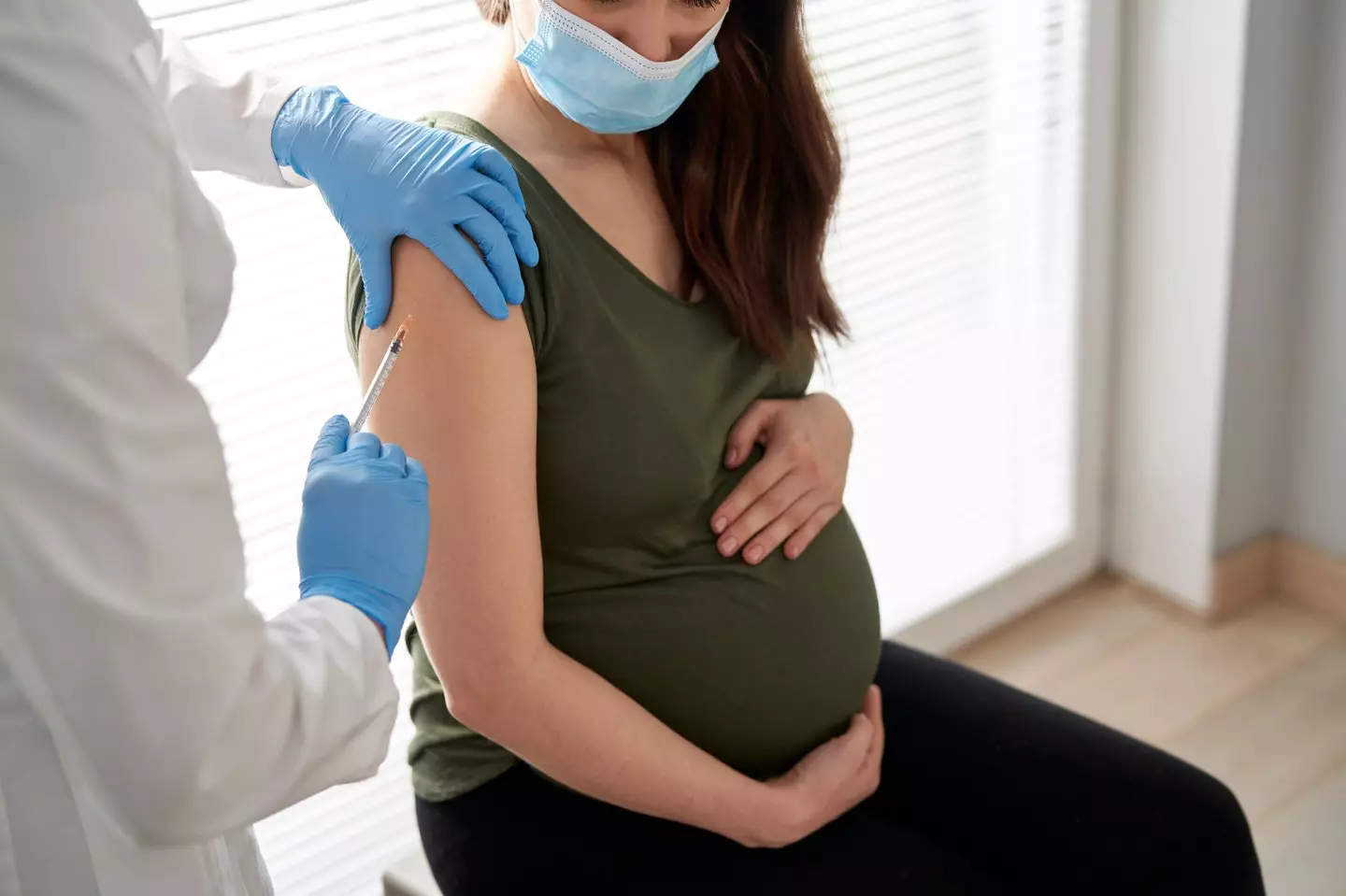
Medical evidence has consistently shown that the dangers of COVID-19 infection during pregnancy are substantial. The CDC notes that pregnant individuals face a higher risk of severe illness, hospitalization, and death. For the baby, the risks include preterm birth and stillbirth. The new study effectively removes a key argument against vaccination for this group, confirming that the vaccines do not cause the birth defects that many feared.
The situation presents a complex picture of the intersection between science, policy, and public communication. As a major study confirms the safety of vaccines for pregnant women, government guidance is stepping back from endorsing them. This leaves healthcare providers and expecting parents to reconcile conflicting messages, relying on emerging data to make personal medical decisions in an increasingly politicized environment.