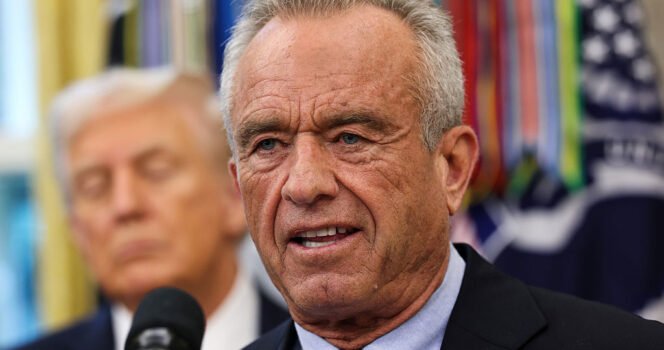
Robert F. Kennedy Jr., the U.S. Health Secretary, recently reignited an old controversy by claiming a potential link between autism, Tylenol use during pregnancy, and infant circumcision. Speaking at a Cabinet meeting, Kennedy called use of common painkillers in pregnancy “irresponsible” and suggested boys circumcised as infants are twice as likely to develop autism—a theory rooted in older studies but not confirmed by scientific research.
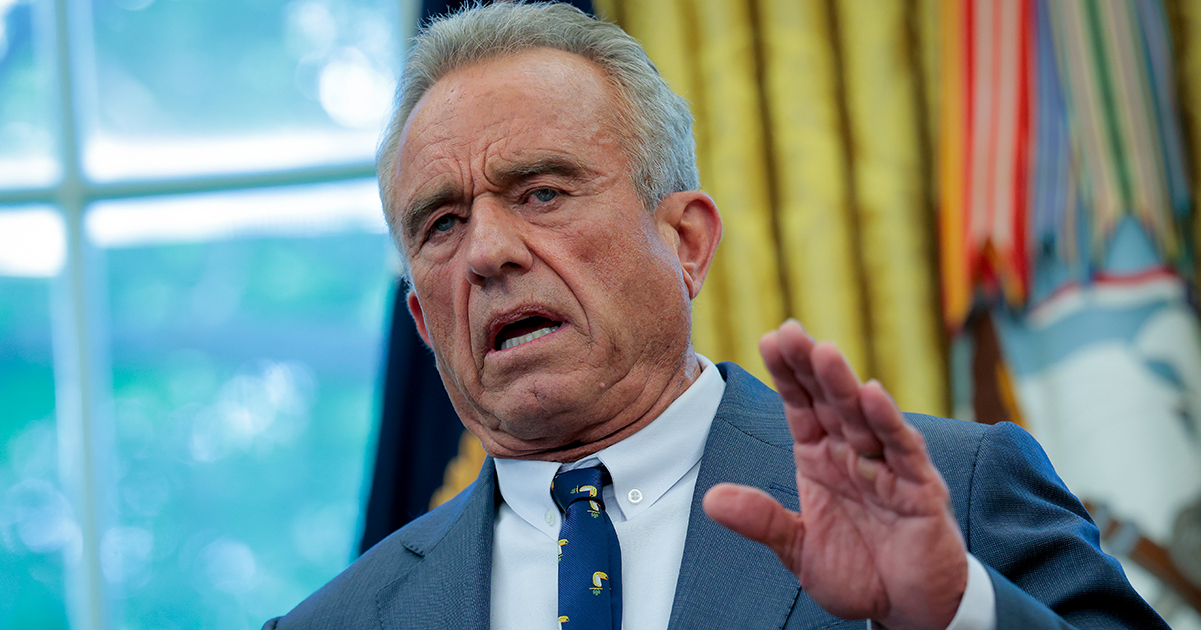
Experts from the medical and autism communities swiftly condemned Kennedy’s statements as misleading and harmful. Organizations like the National Autistic Society criticized the spread of unfounded claims that stigmatize autistic individuals and distract from true public health priorities.
RFK Jr: There are two studies that show children who are circumcised early have double the rate of autism. It's highly likely because they were given Tylenol."
Wut
pic.twitter.com/dliR1agiEJ— Republicans against Trump (@RpsAgainstTrump) October 9, 2025
The conflicting viewpoints underscore ongoing challenges in communicating about autism’s causes and emphasize the importance of relying on rigorous science rather than speculation, especially from influential policymakers.